Long hair on the trail can feel like a blessing and a burden. One minute you’re enjoying the breeze, and the next you’re picking pine needles out of a knotted mess while the wind whips strands across your face. If you’ve ever finished a hike with tangles so tight you needed scissors, you know the struggle is real.
Learning how to take care of long hair while hiking keeps your locks healthy, comfortable, and out of your way so you can focus on the view. The right habits protect your scalp, tame frizz, and save you from painful post-trail brushing sessions. This guide walks you through the tools, steps, and simple routines that keep long hair manageable on any adventure.
Why Managing Long Hair on the Trail Matters
Your hair does more than complete your look. On the trail, it can either work with you or against you.
Loose long hair catches on branches, tangles in the wind, and traps sweat against your scalp. That combination leads to breakage, itchiness, and knots that take forever to comb out. For beginner hikers, this turns a fun day outdoors into a frustrating one.
Good hair habits also protect your health. A sweaty, dirty scalp can get itchy or irritated on multi-day trips. Keeping hair secured and clean lowers that risk.
There’s a comfort factor too. When your hair stays tucked away, you move freely, see clearly, and stay cooler. Mastering outdoor hair maintenance early makes every hike smoother and lets you enjoy the scenery instead of fighting frizz.
Tools and Materials You’ll Need
You don’t need a salon’s worth of products to keep long hair happy outdoors. A few smart items handle almost everything. Start with a handful of sturdy, snag-free hair ties, since one always seems to snap or vanish at the worst moment. Pack a wide-tooth comb, which glides through wet or tangled hair without ripping strands.
A travel-size bottle of leave-in conditioner keeps your ends soft and helps with frizz control. Dry shampoo is a lifesaver on longer trips when washing isn’t an option, soaking up oil and refreshing your scalp between rinses. Add a lightweight buff or headband to shield your hairline from sun and wind.
One optional but comfortable extra is a soft sleep cap or satin scrunchie, which cuts down on tangles while you rest in your tent.
7 Step-by-Step Guide on How to Take Care of Long Hair While Hiking
Step 1 – Start With a Detangled Base
Good hair care starts before you leave the trailhead. Run a wide-tooth comb through your hair while it’s dry or lightly damp, working from the ends up toward your roots. This gentle order prevents painful yanking and reduces breakage.
Smooth a small amount of leave-in conditioner over the lengths and ends. You’ll feel the strands soften instantly, and that moisture creates a protective barrier against dry mountain air. Don’t overload the roots, though, or your scalp will feel greasy fast.
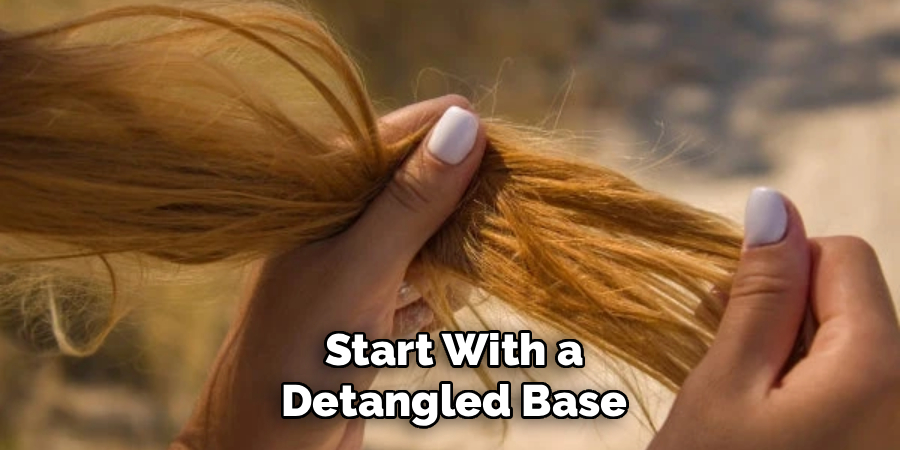
Starting with tangle-free, conditioned hair sets you up for the whole day. Knowing how to take care of long hair while hiking begins with this simple habit: never hit the trail with dry, matted, or neglected hair.
Step 2 – Choose a Secure Protective Style
Once your hair is smooth, lock it into a style that stays put. Protective styles like braids, buns, or a low ponytail keep strands contained and out of your face.
Braids are a trail favorite. A single braid or two French braids hold tight, resist wind tangles, and look great in photos. If you prefer speed, twist your hair into a low bun and secure it with a couple of ties.
Avoid high, tight ponytails that tug at your scalp all day, since that constant pull causes headaches and breakage. Aim for snug but comfortable. The goal is a style you can forget about while you climb, so you’re not stopping every mile to fix flyaways.
Step 3 – Shield Your Hair From Sun and Wind
The sun and wind are tougher on your hair than you might expect. UV rays dry out strands and fade color, while gusts whip loose hair into stubborn knots.
Slip on a buff, cap, or lightweight headband to cover your hairline and part. You’ll notice the difference immediately as flyaways settle and your scalp stays shaded. On exposed ridgelines, this protection really pays off.
A hat also keeps sweat and sunscreen from dripping into your eyes. Choose breathable fabric so your head doesn’t overheat on steep climbs. Think of head coverings as sunscreen for your scalp and hair, blocking damage before it starts and keeping your locks feeling healthy through long, bright afternoons.
Step 4 – Manage Moisture and Sweat
Sweat builds up fast on the trail, especially under a pack or hat. Left alone, it leaves your scalp itchy and your hair limp and clumped.
Carry a small microfiber towel and blot your hairline during breaks. This quick habit pulls moisture away before it soaks in. On hot days, loosening your braid for a few minutes lets air reach your scalp and cools you down.
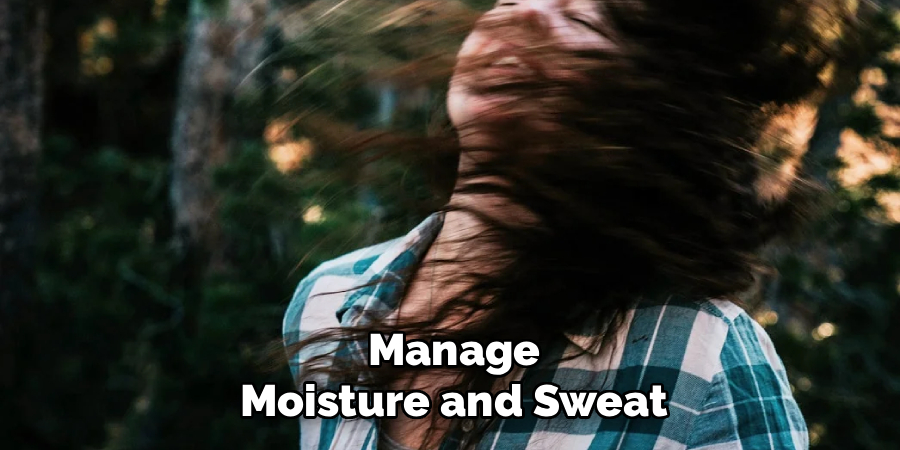
Balancing moisture matters both ways. You want to wick away sweat while keeping your ends hydrated. That’s where a midday spritz of leave-in conditioner helps. Practicing solid trail hair care means reading your body, staying comfortable, and stopping small problems before they turn into a matted, uncomfortable mess.
Step 5 – Refresh With Dry Shampoo
On day hikes you’ll be home before oil builds up, but overnight and multi-day trips are different. That’s when dry shampoo becomes your best friend.
Spray or sprinkle a little at your roots, wait a minute, then massage it in with your fingertips. You’ll feel your scalp freshen up as the product absorbs excess oil and sweat. Your hair looks and smells cleaner without a single drop of water.
This is a huge win in the backcountry, where washing isn’t practical and water is precious. A quick refresh keeps your scalp comfortable and your roots from turning greasy. Pack a travel size, since a little goes a long way and every ounce in your bag counts.
Step 6 – Protect Your Hair Overnight
Sleeping in a tent can undo all your daytime effort if you’re not careful. Tossing and turning against a rough sleeping bag creates friction, frizz, and morning tangles.
Loosen your daytime style before bed, but don’t leave hair fully loose. A soft, loose braid keeps strands contained without stressing your scalp. If you packed a satin scrunchie or sleep cap, use it now to cut down on friction.
Brush gently before settling in to remove the day’s knots. You’ll wake up with far fewer tangles and a scalp that feels rested. A little nighttime routine means you start each trail day with smooth, manageable hair instead of a stubborn bird’s nest.
Step 7 – Do a Gentle Post-Hike Recovery
Once you’re back, your hair needs a little love. Dust, sweat, sunscreen, and dry air take a toll over a long day or trip.
Rinse thoroughly and follow with a nourishing conditioner or a deep moisture mask. You’ll feel the strands drink it in, softening and regaining their bounce. Focus extra product on your ends, which take the most abuse.
Detangle patiently with your wide-tooth comb, starting at the tips. Rushing here causes breakage right when your hair is most fragile. This recovery step restores hydration, repairs the day’s wear, and keeps your long hair strong for the next adventure. Consistent aftercare is what keeps trail hair healthy season after season.
Common Mistakes Beginners Make With Trail Hair Care
Even hikers with gorgeous hair fall into a few predictable traps, and most are easy to avoid once you spot them.
The biggest mistake is leaving hair completely loose. It feels freeing at first, but wind turns those flowing strands into a knotted disaster within an hour. Loose hair also snags on branches and traps sweat against your neck. Always secure it in a braid or bun before you start walking.
Another common error is choosing a style that’s too tight. A high, cinched ponytail might look sleek, but hours of tension pull at your scalp, spark headaches, and weaken your hairline over time. Go for snug and comfortable instead.
Many beginners also skip sun protection entirely. They shield their skin with sunscreen yet forget that UV rays dry out and damage hair too. A simple hat or buff prevents brittle, faded strands.
Finally, people neglect moisture. Mountain air is dry, and without leave-in conditioner or a post-hike mask, ends turn crispy and prone to breakage. Skipping hydration is the fastest way to trade healthy hair for split, frizzy strands.
Expert Tips
Seasoned hikers with long hair swear by a few small tricks. Stash a backup hair tie around your wrist or wrapped on your pack strap, because losing your only one on the trail is genuinely miserable.
Braid slightly damp hair with a touch of leave-in conditioner for tangle-free, wave-friendly results that hold all day. On multi-day trips, alternate your part line to give your scalp a break and prevent sunburn along the same stripe.
Keep dry shampoo and a mini comb in an outside pocket for easy access during breaks. And if you’re prone to frizz, a tiny bit of hair oil smoothed over your ends tames flyaways without weighing your hair down.
Frequently Asked Questions
What’s the best hairstyle for hiking with long hair?
Braids are hard to beat. A single braid, two French braids, or a low bun keeps strands contained, resists wind tangles, and stays comfortable for hours. These protective styles avoid the scalp strain of a tight high ponytail. Choose whatever feels snug but relaxed, so you can hike freely without stopping to fix flyaways every mile.
How do I keep my hair clean on multi-day hikes?
Dry shampoo is your best option when washing isn’t practical. Apply it at your roots, wait a minute, then massage it in to absorb oil and sweat. A quick blot with a microfiber towel during breaks also helps. These habits keep your scalp fresh and your roots from getting greasy without wasting precious water.
Should I wash my hair before or after a hike?
Wash before if it helps you start fresh, but always focus on aftercare once you’re home. A thorough rinse followed by a nourishing conditioner or moisture mask restores hydration lost to sun, sweat, and dry air. Concentrate product on your ends, which take the most damage, and detangle gently to prevent breakage.
How do I stop my hair from tangling in the wind?
Secure it in a braid or bun before you set out, since loose hair knots quickly in gusts. A buff or headband covers your hairline and tames flyaways on exposed trails. A little leave-in conditioner smooths the strands too. Together, these steps keep wind tangles from turning into a painful post-hike combing session.
Do I really need sun protection for my hair?
Yes. UV rays dry out strands, weaken them, and fade color over time, just like they damage skin. A lightweight hat, cap, or buff shields your part and hairline where sunburn and dryness hit hardest. It also keeps sweat and sunscreen out of your eyes. Think of head coverings as sunscreen for your scalp.
Conclusion
Keeping long hair healthy on the trail comes down to a few easy, repeatable habits. Start detangled and conditioned, choose a secure protective style, shield your hair from sun and wind, and give it a little recovery once you’re home. Manage sweat, refresh with dry shampoo on longer trips, and protect your strands overnight to wake up tangle-free. Once you understand how to take care of long hair while hiking, these steps become second nature and take just minutes.
Don’t stress if it feels like a lot at first. Practice a braid or two at home, pack a small hair kit, and build a routine you can trust on the trail. Your scalp stays comfortable, your ends stay soft, and your hair stays out of your face where it belongs.
The payoff is real freedom outdoors. You’ll spend less time fighting frizz and more time soaking in the view. So braid it up, protect those strands, and hit the trail with confidence.

About Caleb
Caleb Merritt is a Virginia-based outdoor writer and gear analyst who has spent over a decade sleeping on the ground, crossing mountain passes, and obsessively shaving grams off his pack weight. He holds a Bachelor of Science in Environmental Science from James Madison University, where he also served as president of the university’s outdoor recreation club. After graduating, he spent three years as a wilderness educator with a backcountry youth program in the Shenandoah Valley — teaching Leave No Trace ethics, backcountry navigation, and campcraft — before moving into full-time writing in 2018.
His work focuses on one core belief: the best gear is the gear you understand. Whether he’s doing a side-by-side weight comparison of ultralight shelters or writing a beginner’s guide to building a sub-20-lb base weight kit, Caleb writes with the same directness you’d expect from a trusted trail partner. He has logged more than 4,000 miles across iconic routes including the John Muir Trail, the Wind River Range, Vermont’s Long Trail, and the Collegiate Peaks Loop in Colorado.
Areas of Expertise
- Ultralight backpacking systems and base weight optimization
- Tent, tarp, and shelter testing across three-season and shoulder-season conditions
- Sleeping bag and quilt temperature rating verification
- Backpacking nutrition, meal planning, and calorie-per-ounce analysis
- Leave No Trace principles and wilderness ethics
- Campfire safety, bear country protocols, and water treatment methods
- Gear care, repair, and long-term durability assessment
Education
James Madison University — B.S. in Environmental Science, 2015
During his time at JMU, Caleb served as President of the Outdoor Recreation Club, where he planned and led more than 30 backcountry trips annually across the Blue Ridge Mountains and Appalachian Trail corridor. The role sharpened his ability to assess gear performance under real conditions, manage group safety in remote environments, and develop the kind of practical trail knowledge that no classroom can teach.
Professional Experience
Gear Writer & Senior Contributor — [campeox.com]
Produces in-depth gear reviews, buyer’s guides, and how-to content across backpacking, camping, and ultralight hiking categories. Tests all gear in real field conditions before publishing recommendations.
Wilderness Educator & Trip Leader — Shenandoah Backcountry Youth Program — 2015–2018 Led multi-day backcountry expeditions for teens and young adults throughout Shenandoah National Park and George Washington National Forest. Taught LNT principles, orienteering, first aid awareness, and campcraft fundamentals.
Outdoor Recreation Club President — James Madison University — 2013–2015 Organized and led university-sponsored hiking, backpacking, and camping trips in the Blue Ridge Mountains and Appalachian Trail corridor. Managed club budget, safety protocols, and trip logistics for a membership of 120+ students.
Editorial Standards
Every piece of gear Caleb recommends has been personally tested in the field — not just unboxed and described. His review process includes a minimum of two overnight trips per shelter, a full-season evaluation for sleep systems, and side-by-side comparisons wherever possible. He does not accept payment for positive reviews. Affiliate relationships, where they exist, are always disclosed in accordance with FTC guidelines.
All factual claims about gear specifications, trail distances, and safety recommendations are cross-referenced against manufacturer data sheets and established sources such as the Leave No Trace Center for Outdoor Ethics and the American Hiking Society before publication.