To effectively sterilize a water bottle, you must go beyond basic washing to eliminate harmful pathogens. The best methods include soaking the bottle in a CDC-approved bleach solution (1 teaspoon bleach per liter of water) for two minutes, submerging metal or glass parts in boiling water for five minutes, or leaving a 1-to-4 white vinegar solution overnight.
According to a 2022 water research study, the average reusable water bottle contains 40,000 times more bacteria than a standard toilet seat. People carry these “emotional support” hydration companions everywhere, from the gym floor to the office desk. However, simply rinsing them out with tap water is wildly inadequate for preventing mold and illness-causing germs from multiplying rapidly.
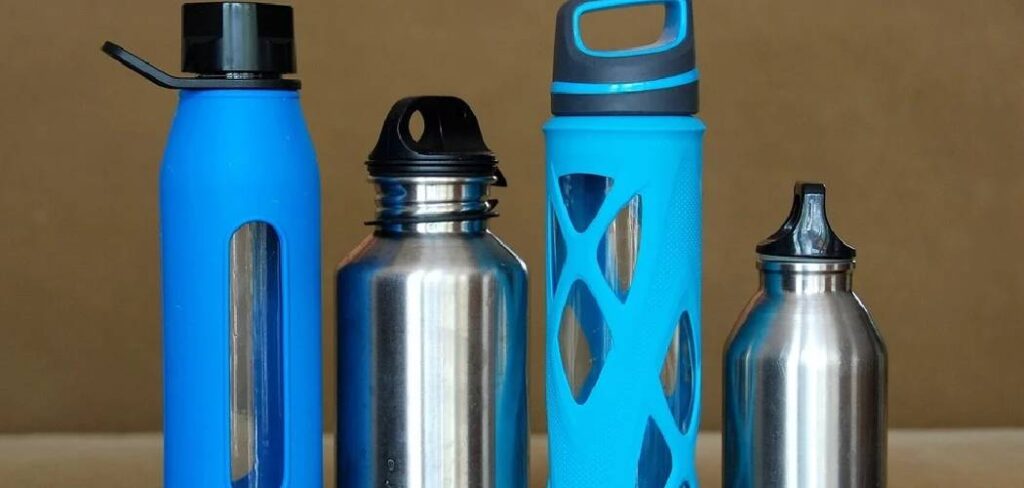
While routine water bottle cleaning removes visible grime and loose debris, occasionally taking the extra step to sterilize water bottle surfaces is non-negotiable for your health. Pathogens thrive in dark, damp environments. Without proper sanitization, your daily hydration habit might be introducing a host of unwanted microbes into your system.
This how to sterilize a water bottle guide breaks down everything you need to know to sanitize reusable drinkware effectively. You will learn the gross truth about bottle bacteria, the critical difference between daily washing and deep sterilization, and six proven sanitization methods recommended by health experts. We also cover specific tips for different bottle materials and those hard-to-clean accessories.
Cleaning vs. Sanitizing vs. Sterilizing
Before choosing a method, understand what you are actually trying to achieve. The words are often used interchangeably, but they mean very different things.
Cleaning removes visible dirt, residue, and some surface germs using soap and water. It is the baseline step you should do daily.
Sanitizing reduces bacteria to levels considered safe by public health standards. This is what vinegar or a dishwasher sanitize cycle typically accomplishes.
Sterilizing destroys virtually all microorganisms, including bacteria, viruses, and mold spores. True sterilization is recommended after mold appears, following a contagious illness, or when the bottle has been stored for a long time with moisture trapped inside.
If your bottle only needs routine maintenance, sanitizing is usually sufficient. If you suspect contamination or biofilm buildup, move straight to one of the sterilizing methods below.
How Often Should You Sterilize?
For everyday use, wash your bottle with warm soapy water after each use and perform a deep sterilization at least once per week. You should sterilize immediately if any of the following apply:
- You notice black or green spots inside the bottle or under the gasket.
- The bottle smells musty even after soap and water scrubbing.
- You have recently recovered from a cold, flu, or stomach bug.
- The bottle sat in a hot car, gym bag, or storage closet for more than a few days with liquid inside.
- You filled it with anything other than water, such as sports drinks, coffee, or smoothies.
Outdoor enthusiasts and campers should sterilize bottles more frequently because backcountry water sources can introduce bacteria that municipal tap water does not.
6 Proven Methods on How to Sterilize a Water Bottle
Method 1: Vinegar Solution (Natural and Safe)
White distilled vinegar is one of the most accessible and material-friendly ways to sanitize a reusable water bottle. It dissolves mineral deposits, neutralizes odors, and reduces bacterial counts without introducing harsh chemicals.
Best for: Plastic, stainless steel, and glass bottles; routine sanitizing and odor removal.
What you need:
- White distilled vinegar
- Warm water
- A long-handled bottle brush
Steps:
- Empty the bottle and rinse away any loose debris.
- Fill the bottle with a solution of one part vinegar to four parts warm water.
- Cap the bottle and shake vigorously for 30 seconds to coat every interior surface.
- Let it sit for 10 to 30 minutes. For routine maintenance, 10 minutes is enough. If the bottle smells stale, let it soak for the full 30 minutes.
- Scrub the interior with a bottle brush, paying special attention to the bottom corners where residue collects.
- Empty the solution and rinse thoroughly with warm water at least three times.
- Leave the bottle uncapped and upside down on a drying rack to air dry completely.
Pros: Non-toxic, inexpensive, no aftertaste if rinsed well, safe for all common bottle materials. Cons: Vinegar sanitizes but does not achieve medical-grade sterilization. If you are immunocompromised or dealing with confirmed mold, use a stronger method.
Method 2: Baking Soda Scrub Plus Vinegar Rinse
When odors or stains persist after a standard vinegar soak, baking soda provides gentle abrasion that helps lift stubborn residue from textured surfaces and straw openings.
Best for: Bottles with lingering coffee, smoothie, or protein shake smells.
What you need:
- Baking soda
- White vinegar
- Warm water
- A bottle brush
Steps:
- Rinse the bottle to remove loose particles.
- Create a paste using two tablespoons of baking soda and a small amount of warm water.
- Apply the paste to the interior with a bottle brush. Scrub thoroughly, focusing on stained areas.
- Let the paste sit for 15 minutes.
- Rinse the baking soda out completely.
- Follow with a standard vinegar soak (Method 1) to sanitize the surfaces you just scrubbed.
- Rinse thoroughly and air dry with the lid removed.
Important note: Do not mix baking soda and vinegar inside the bottle at the same time. The chemical reaction produces carbon dioxide and water, effectively neutralizing both agents and leaving you with a salty residue rather than a clean surface. Use them sequentially, not simultaneously.
Method 3: Diluted Bleach Solution
If you are dealing with heavy mold, recovering from an illness, or simply want maximum confidence that your bottle is disinfected, a properly diluted bleach solution is highly effective.
Best for: Confirmed mold, illness recovery, and deep periodic disinfection.
What you need:
- Unscented household bleach (5%–6% sodium hypochlorite)
- Measuring spoons
- Cool or lukewarm water
- Gloves (optional but recommended)
Steps:
- Pre-wash the bottle with dish soap and water to remove organic matter. Bleach works best on clean surfaces.
- Prepare the soak. For sanitizing, use approximately two teaspoons of bleach per gallon of water. If you are addressing active mold or post-illness disinfection, a slightly stronger solution may be used, but never exceed one tablespoon per gallon for drinkware.
- Fill the bottle completely with the bleach solution.
- Let it sit for two to ten minutes. Two minutes achieves sanitization on clean surfaces; ten minutes is appropriate for mold or heavy bacterial buildup.
- Empty the bottle.
- Rinse obsessively. Run warm water through the bottle at least five times, shaking vigorously during each rinse.
- Allow the bottle to air dry completely with all parts separated.
Safety warnings: Never mix bleach with hot water, as heat can release harmful chlorine fumes. Never mix bleach with vinegar, ammonia, or other cleaners. If your bottle is plastic, avoid frequent bleach soaks, as chlorine can degrade certain polymers over time. Always rinse until you cannot detect any bleach smell.
Method 4: Boiling Water
Boiling water is a time-tested sterilization technique that requires no chemicals. However, it is only safe for certain bottle materials.
Best for: Stainless steel and glass bottles.
What you need:
- A kettle or pot
- Heat-safe gloves or tongs
Steps:
- Disassemble the bottle completely, removing the lid, straw, and gasket.
- Bring water to a rolling boil.
- Carefully fill the bottle with boiling water.
- Seal it quickly to trap heat, then let it sit undisturbed for several hours or overnight.
- Open the lid slowly and away from your face to avoid steam burns.
- Pour out the water and let the bottle air dry completely.
Critical limitation: Do not use boiling water on plastic bottles. High heat can warp the plastic or, in some cases, cause chemicals to leach into the container. Additionally, do not submerge the base of an insulated vacuum bottle in boiling water, as heat can compromise the vacuum seal. Only fill the interior with boiling water.
Method 5: Hydrogen Peroxide
Hydrogen peroxide offers an alternative to bleach for users who want chemical disinfection without the chlorine odor or environmental concerns. It breaks down into water and oxygen, leaving no persistent chemical residue if rinsed properly.
Best for: Plastic bottles and users avoiding bleach.
What you need:
- 3% hydrogen peroxide (standard pharmacy concentration)
- Warm water
Steps:
- Rinse the bottle with warm soapy water.
- Mix equal parts 3% hydrogen peroxide and water.
- Fill the bottle with the solution.
- Let it soak for 20 minutes.
- Empty the solution and rinse the bottle thoroughly with warm water at least four times.
- Air dry with the lid and all components separated.
Pros: No harsh fumes, generally safe for plastics, no aftertaste after thorough rinsing. Cons: Slightly more expensive than vinegar, and the bottle may need a longer rinse compared to vinegar to ensure no residual flavor.
Method 6: Dishwasher Sanitize Cycle
If your bottle is labeled dishwasher safe, the sanitize cycle is one of the most hands-off and effective methods available. Research suggests that dishwasher sanitization is highly effective at reducing bacterial loads.
Best for: Dishwasher-safe stainless steel or glass bottles.
Steps:
- Disassemble the bottle into as many pieces as possible—lid, straw, gasket, and body.
- Place small parts in the utensil basket so they do not fall through the rack.
- Position the bottle body upside down on the top rack to allow water to drain out.
- Run the dishwasher on a hot wash cycle with the sanitize setting enabled.
- Remove the pieces promptly after the cycle ends to prevent moisture buildup in the closed dishwasher.
Important: Always verify the manufacturer’s care instructions first. Some insulated bottles have exterior paint or vacuum seals that can be damaged by prolonged exposure to high heat. Plastic bottles may warp on the bottom rack or during heated dry cycles.
How to Sterilize by Bottle Material
Your bottle’s construction determines which methods are safe and effective.
Plastic Bottles
Plastic is lightweight and affordable, but it is also the most sensitive to heat and harsh chemicals. Avoid boiling water entirely. For routine care, use vinegar or hydrogen peroxide. If you must use bleach, dilute it properly and limit frequency to avoid surface degradation and clouding. Inspect the bottle regularly for scratches, which can harbor bacteria in ways that cleaning cannot reach.
Stainless Steel Bottles
Stainless steel is durable and generally tolerant of stronger methods. Boiling water soaks, diluted bleach, and dishwasher sanitize cycles are all acceptable. Avoid leaving bleach solution inside for longer than 10 minutes, as prolonged chlorine exposure can eventually corrode steel or affect interior coatings. Always dry thoroughly to prevent any risk of surface rust around scratched areas.
Glass Bottles
Glass is non-porous and chemically inert, making it the easiest material to sterilize. You can safely use boiling water, bleach, hydrogen peroxide, vinegar, or the dishwasher. Because glass does not retain odors or stains, a simple vinegar soak is usually sufficient for routine maintenance.
Insulated and Vacuum Bottles
These bottles have double walls with a vacuum seal between them. Never submerge the entire bottle in boiling water, as this can destroy the vacuum layer and ruin the insulation. Instead, fill the interior with your chosen sterilizing solution. Avoid bleach on colored or painted exteriors if you want to preserve the finish.
Tips for Molds, Straws, Lids, and Seals
The bottle body is only part of the problem. Bacteria and mold love to hide in the places you cannot easily see.
- Disassemble everything. Before any sterilization attempt, remove the lid, unscrew the straw, and pop out the rubber gasket. Biofilm frequently builds up under these removable seals.
- Use the right brushes. A standard bottle brush handles the interior, but you also need a small straw brush and an old toothbrush to scrub threading, bite valves, and crevices.
- When mold is present: Do not rely on a quick vinegar rinse. Use the disinfecting bleach soak at the full 10-minute duration. If the silicone gasket remains discolored or retains a musty smell after two bleach treatments, replace it. Gaskets are inexpensive and not worth the health risk.
- Check your straw. Reusable straws are often overlooked. Run a straw brush through them during every deep clean, or soak them in the same disinfecting solution you use for the bottle body.
Drying and Storage Best Practices
Sterilization is only effective if the bottle dries properly afterward. Moisture is the single biggest factor that allows bacteria to return within hours of cleaning.
- Air dry with parts separated. Place the bottle body upside down on a drying rack. Leave the lid and gasket next to it, not snapped on top.
- Do not rush the lid. Trapping moisture by sealing the bottle while it is still damp creates a humid microclimate where microbes thrive.
- Avoid the hot car. Once clean, do not leave a sterilized bottle in direct sunlight or a hot vehicle. Heat can reactivate any faint residual bacteria and degrade plastic over time.
Frequently Asked Questions
Can I mix vinegar and baking soda inside the bottle for a stronger clean?
No. Combining them inside the bottle causes an acid-base reaction that neutralizes both substances. You end up with a mildly salty foam that does little to disinfect. Use them in sequence instead.
Is it safe to use bleach on a bottle I drink from every day?
Yes, provided you dilute it correctly and rinse thoroughly. Household bleach diluted to sanitizing levels is commonly used in food-service environments. The key is the final rinse—continue until no bleach odor remains.
How do I know if my bottle is truly sterile?
Without laboratory testing, you cannot confirm 100% sterility at home. What you can do is follow the concentration and timing guidelines in this guide precisely. Ten minutes of contact time with a properly prepared disinfecting solution is the standard used in public health protocols.
Are disinfectant tablets a good option?
Effervescent disinfectant tablets designed for drinkware exist and can be convenient for travel or camping. If you choose this route, follow the manufacturer’s instructions exactly and rinse well afterward. They are generally effective but less economical than pantry staples for home use.
Can I just put my bottle in the freezer to kill germs?
Freezing does not reliably kill most bacteria; it simply puts them into a dormant state. When the bottle warms up, the microbes become active again. Use a chemical or heat-based method instead.
Conclusion
Knowing how to sterilize a water bottle protects your health and extends the life of one of your most-used daily items. Match the method to the material: vinegar for routine care, hydrogen peroxide for plastic, bleach for mold or illness, and boiling water for glass and stainless steel. Combine any deep sterilization with thorough disassembly, targeted scrubbing of lids and straws, and complete air drying.
Set a recurring reminder to deep-clean your bottles weekly. The two minutes it takes to prepare a vinegar soak or bleach solution is a small investment in avoiding the frustration of a smelly, contaminated bottle when you need hydration most.
Meta description: Learn how to sterilize a water bottle safely using vinegar, bleach, boiling water, and more. Step-by-step methods for every bottle material.

About Caleb
Caleb Merritt is a Virginia-based outdoor writer and gear analyst who has spent over a decade sleeping on the ground, crossing mountain passes, and obsessively shaving grams off his pack weight. He holds a Bachelor of Science in Environmental Science from James Madison University, where he also served as president of the university’s outdoor recreation club. After graduating, he spent three years as a wilderness educator with a backcountry youth program in the Shenandoah Valley — teaching Leave No Trace ethics, backcountry navigation, and campcraft — before moving into full-time writing in 2018.
His work focuses on one core belief: the best gear is the gear you understand. Whether he’s doing a side-by-side weight comparison of ultralight shelters or writing a beginner’s guide to building a sub-20-lb base weight kit, Caleb writes with the same directness you’d expect from a trusted trail partner. He has logged more than 4,000 miles across iconic routes including the John Muir Trail, the Wind River Range, Vermont’s Long Trail, and the Collegiate Peaks Loop in Colorado.
Areas of Expertise
- Ultralight backpacking systems and base weight optimization
- Tent, tarp, and shelter testing across three-season and shoulder-season conditions
- Sleeping bag and quilt temperature rating verification
- Backpacking nutrition, meal planning, and calorie-per-ounce analysis
- Leave No Trace principles and wilderness ethics
- Campfire safety, bear country protocols, and water treatment methods
- Gear care, repair, and long-term durability assessment
Education
James Madison University — B.S. in Environmental Science, 2015
During his time at JMU, Caleb served as President of the Outdoor Recreation Club, where he planned and led more than 30 backcountry trips annually across the Blue Ridge Mountains and Appalachian Trail corridor. The role sharpened his ability to assess gear performance under real conditions, manage group safety in remote environments, and develop the kind of practical trail knowledge that no classroom can teach.
Professional Experience
Gear Writer & Senior Contributor — [campeox.com]
Produces in-depth gear reviews, buyer’s guides, and how-to content across backpacking, camping, and ultralight hiking categories. Tests all gear in real field conditions before publishing recommendations.
Wilderness Educator & Trip Leader — Shenandoah Backcountry Youth Program — 2015–2018 Led multi-day backcountry expeditions for teens and young adults throughout Shenandoah National Park and George Washington National Forest. Taught LNT principles, orienteering, first aid awareness, and campcraft fundamentals.
Outdoor Recreation Club President — James Madison University — 2013–2015 Organized and led university-sponsored hiking, backpacking, and camping trips in the Blue Ridge Mountains and Appalachian Trail corridor. Managed club budget, safety protocols, and trip logistics for a membership of 120+ students.
Editorial Standards
Every piece of gear Caleb recommends has been personally tested in the field — not just unboxed and described. His review process includes a minimum of two overnight trips per shelter, a full-season evaluation for sleep systems, and side-by-side comparisons wherever possible. He does not accept payment for positive reviews. Affiliate relationships, where they exist, are always disclosed in accordance with FTC guidelines.
All factual claims about gear specifications, trail distances, and safety recommendations are cross-referenced against manufacturer data sheets and established sources such as the Leave No Trace Center for Outdoor Ethics and the American Hiking Society before publication.