Planning an RV getaway should bring joy and excitement, not the absolute dread of finding unwanted furry hitchhikers. Nothing ruins a relaxing weekend out in nature faster than discovering chewed electrical wires, messy droppings inside your clean cabinets, or completely torn upholstery.
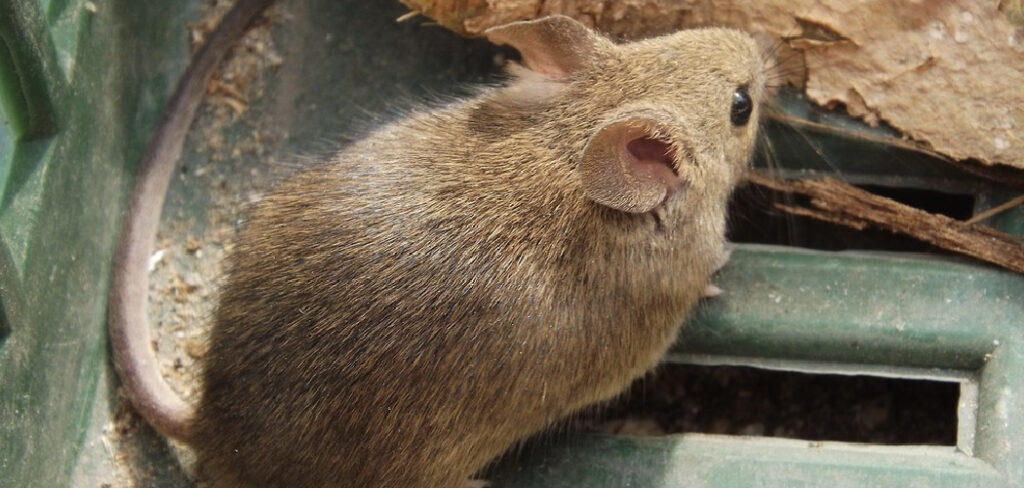
If you are wondering how to keep mice out of camper, you are definitely in the right place. These tiny, flexible intruders can easily squeeze through exterior gaps no larger than a standard dime, quickly turning your mobile sanctuary into a permanent, smelly nesting ground. But do not worry just yet. Protecting your recreational vehicle from rodents is entirely manageable with a few simple, proactive measures. In this helpful guide, we will walk you through a clear, beginner-friendly approach to rodent-proofing your rig so your next adventure is completely pest-free.
Why Rodent Proofing Matters for Your RV
Understanding the severe risks of ignoring regular pest control is essential for any responsible travel trailer owner. Mice do much more than simply steal a few loose crumbs from your forgotten pantry; they pose serious safety hazards and routinely cause wildly expensive structural damage.
Because rodents must constantly gnaw on things to keep their growing teeth short, they frequently chew right through critical electrical wiring, plastic water lines, and thick wall insulation. A single, deeply chewed wire can easily disable your entire electrical system or even spark a highly dangerous fire while you sleep. Furthermore, mice carry nasty diseases that can easily contaminate your tight living spaces and essential cooking surfaces. Taking firm preventive action saves you money on major repairs and completely preserves the long-term resale value of your beloved rig.
8 Step-by-Step Guide on How to Keep Mice Out of Camper
Step 1: Inspect the Undercarriage Thoroughly
The first crucial step is getting underneath your rig with a bright, heavy-duty flashlight. You need to carefully inspect the entire dark undercarriage for any potential entry points. Pay extremely close attention to key areas where plumbing pipes, heavy gas lines, and vital electrical wiring directly enter the main cabin.
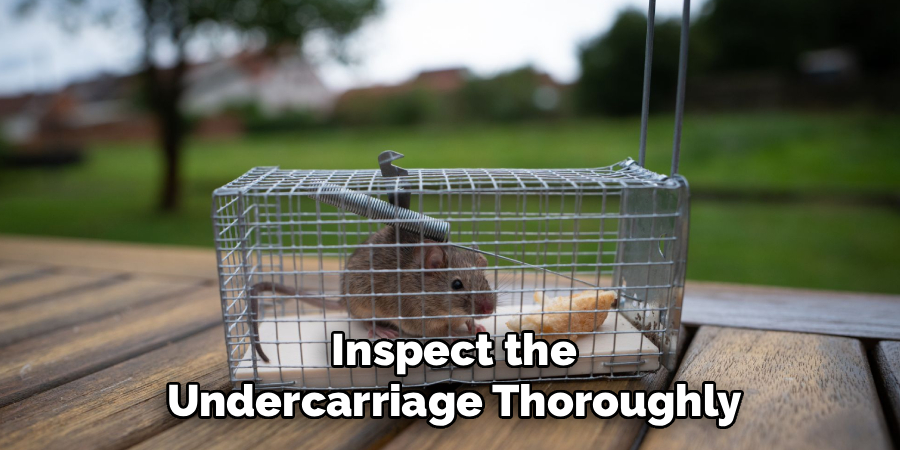
Rodents are incredibly flexible and can easily squeeze through tiny holes that look far too small for them. Look closely for faint daylight shining through from the inside, or carefully examine the tight gaps around mechanical slide-out tracks. Take your absolute time scanning every single inch of the exposed chassis, heavy axles, and wooden flooring. A thorough, patient inspection sets the strong foundation for a highly successful pest defense strategy, ensuring you do not miss any hidden structural cracks.
Step 2: Seal Holes with Steel Wool and Foam
Once you locate those highly vulnerable gaps beneath your rig, it is time to block them permanently. Mice can easily chew right through soft rubber, thin plastic, and regular silicone caulking, but they absolutely cannot bite through dense metal. Stuff high-grade steel wool or specialized copper mesh tightly into every single hole you found during your initial exterior inspection. After packing the gaps incredibly securely, cover the metal mesh layer with a thick expanding polyurethane foam.
As the wet foam completely cures, it hardens tightly around the mesh, creating a rock-solid, impenetrable physical barrier. The metal mesh physically stops the destructive chewing, while the hardened foam permanently blocks cold drafts and inviting interior light. This simple double-layer approach is the absolute most effective physical defense for securing your travel trailer.
Step 3: Remove All Food Sources Completely
Rodents eagerly enter your cozy living space primarily because they smell an incredibly easy meal waiting for them. When packing up your rig at the end of a fun, exhausting trip, never leave any leftover food behind in the pantry or dark cabinets. You must completely empty the entire refrigerator, deeply sweep the kitchen floors, and thoroughly wipe down every single countertop to fully eliminate lingering sweet crumbs and heavy bacon grease.
If you must store basic dry goods during the active camping season, immediately transfer absolutely everything into thick, airtight glass jars or heavy-duty plastic containers. Flimsy cardboard boxes and thin plastic grocery bags offer zero real protection against incredibly sharp rodent teeth. Keeping a pristine, spotless kitchen environment actively removes the main scented attraction that brings these unwanted guests inside.
Step 4: Use Strong Natural Repellents
While tough physical barriers are your necessary first line of defense, adding strong scent deterrents creates a highly irritating environment rodents desperately want to completely avoid. Peppermint oil is an excellent, natural repellent that actually smells very pleasant to humans but completely overwhelms a small mouse’s highly sensitive olfactory system. Simply soak several large cotton balls in pure peppermint essential oil and place them deep inside dark cabinets, exterior storage bays, and near potential floor entry points.
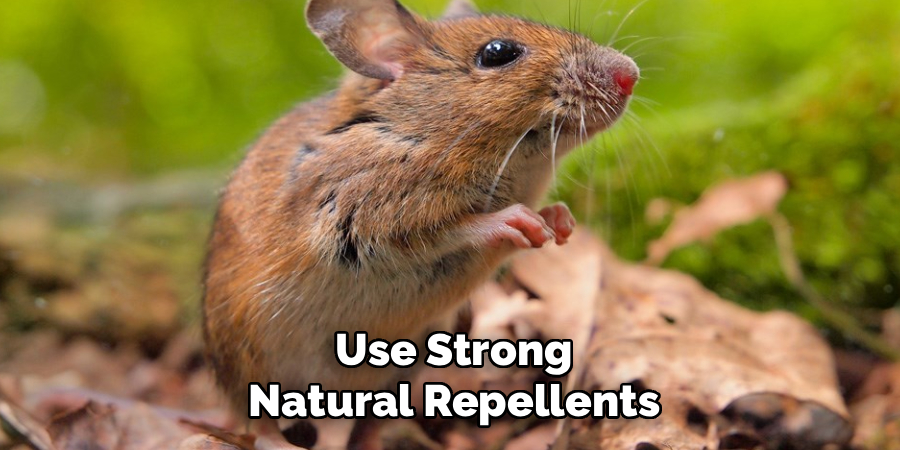
You can also successfully utilize strong pine scented sprays or specialized botanical rodent pouches designed specifically for recreational vehicles. You will definitely need to refresh these fresh scents every few weeks to maintain their strong, effective potency, especially during the bitter cold winter months when outdoor rodents actively seek out warm shelter.
Step 5: Install LED Ropelights Underneath
Understanding how to keep mice out of camper involves knowing their sneaky nocturnal behavior. Rodents are highly cautious, nighttime creatures that naturally seek out dark, secure places to build their warm nests and travel completely unseen by natural predators. By brightly illuminating the open area directly beneath your parked rig, you instantly strip away their preferred, shadowy hiding spots.
Run a long string of bright LED rope lights completely around the entire exterior perimeter of your undercarriage when parked at a wooded campsite or in your driveway. The blinding bright light acts as a highly powerful psychological barrier, making them feel terribly exposed to nearby hunting owls and hungry cats. This simple, highly affordable lighting trick drastically reduces the realistic chances of them comfortably lingering long enough to find an entrance.
Step 6: Clear the Surrounding Campsite Area
The natural environment immediately outside your recreational vehicle plays a absolutely massive role in ongoing, successful pest prevention. If you carelessly park your rig in tall wild grass, deep piles of damp autumn leaves, or near dense forest brush, you actively provide a perfect, hidden staging ground for mice to approach undetected. Whenever physically possible, purposefully choose a clean parking spot on solid concrete, packed gravel, or very short, neatly manicured grass.
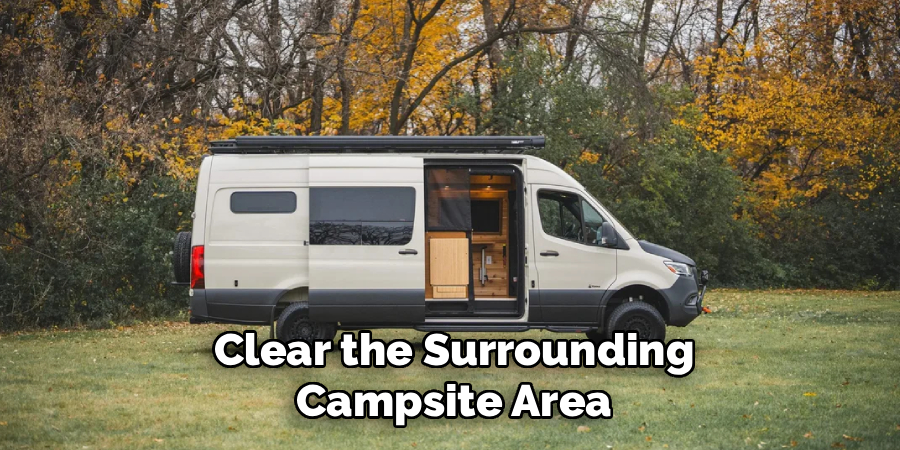
Clear away any scattered natural debris, stacked firewood piles, or open trash cans sitting dangerously close to your rubber tires. Keeping the immediate exterior perimeter meticulously clean and wide open heavily forces nervous rodents to cross fully exposed ground, which they naturally hesitate to do. A tidy exterior environment directly translates to a much safer interior space.
Step 7: Check Storage Bays and Compartments
Your exterior metal storage bays often serve as the absolutely perfect, easily accessible middle ground between the wild outdoors and your main interior living quarters. You need to completely empty these dark exterior compartments regularly and carefully inspect the thick rubber weather stripping around the heavy doors for any clear signs of chewing or general wear. Damaged, brittle rubber door seals allow incredibly easy access to the dark cavernous spaces sitting just beneath your main floorboards.
Keep your stored camping gear neatly organized in sturdy, thick plastic bins rather than old, damp cardboard boxes, as cardboard provides excellent, soft nesting material. By maintaining highly clean, well-sealed exterior storage compartments, you successfully block the hidden secondary pathways that clever pests frequently use to migrate upward into your cozy bedroom.
Step 8: Perform Routine Off-Season Checks
Many confident owners successfully learn how to keep mice out of camper during the busy summer, only to find an absolute disaster when spring eventually rolls around. Winter storage is easily the absolute most vulnerable time for your resting rig. Even if you initially sealed absolutely everything perfectly, deep vibrations from highway driving can loosen old foam and create brand new hidden gaps over time. You must regularly visit your securely stored vehicle at least once a month during the long, freezing off-season.
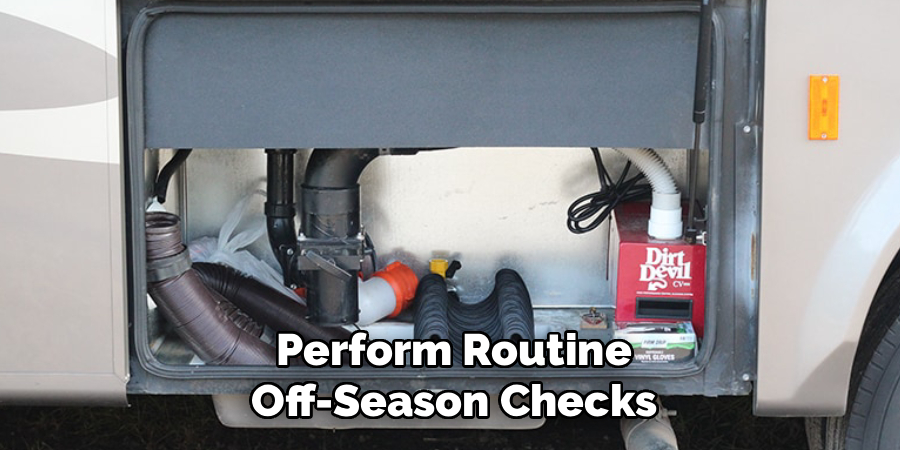
Check your empty traps, heavily refresh your peppermint oil cotton balls, and visually inspect the clean floors for any new dark droppings. Regular, highly dedicated monitoring ensures that if a single brave mouse does breach your tight defenses, you can quickly handle the minor situation immediately.
Read More: How to Fix a Camper Roof
Frequently Asked Questions
How do mice usually get inside an RV?
Mice are incredible contortionists capable of fitting through rigid gaps as small as a quarter of an inch. They typically enter through:
- Holes around plumbing pipes
- Gaps near main electrical wiring
- Torn weather stripping on slide-outs
- Vents lacking proper metal mesh screens
They frequently climb directly up the rubber tires or metal landing gear to safely reach the dark undercarriage, where they actively search for these tiny, hidden vulnerabilities.
Do dryer sheets actually repel rodents?
Many casual campers strongly swear by placing heavily scented laundry dryer sheets completely around their rig. While the strong artificial scent may temporarily confuse a curious rodent’s sensitive sense of smell, it is rarely a reliable long-term solution. Once the fresh scent fades completely after a few short days, mice will happily use the soft, fluffy sheets to build their warm nests.
Is it safe to use poison inside my travel trailer?
Using toxic poison inside any enclosed recreational vehicle is highly discouraged for several important safety reasons. If a hungry mouse consumes the lethal bait, it will likely crawl deep inside your thin walls or vital ventilation system to die. The resulting terrible odor can quickly make your tight living space completely unbearable. Furthermore, loose poison poses a severe, lethal danger to your beloved traveling pets.
What is the best trap to use if one gets inside?
If a clever pest finally breaches your tough defenses, traditional wooden snap traps still remain the absolute most effective and humane option for a highly quick resolution.
- Place them firmly along baseboards where mice actively travel.
- Bait them heavily with sticky peanut butter.
- Check them daily to promptly dispose of successful captures.
Always avoid using cruel glue traps, as they can be incredibly messy to handle safely.
Should I leave my RV completely empty during winter?
Yes, stripping your beautiful interior completely bare during long winter storage is highly recommended by experts. You must securely remove all loose food items, including heavy canned goods, as well as soft materials like thick blankets, cotton towels, and fluffy pillows. Rodents constantly seek out soft, chewable fabrics to loudly shred for their winter nesting material. Leaving the interior completely empty successfully removes both food and shelter.
Conclusion
Dealing with unwanted, destructive pests absolutely does not have to be an inevitable, stressful part of your fun outdoor adventures. By thoroughly inspecting your dark undercarriage, permanently sealing highly vulnerable gaps with thick steel wool, and aggressively removing all lingering food temptations, you easily create a mobile fortress that keeps pests securely outside.
Adding fantastic extra layers of protection like bright LED under-lighting and incredibly strong botanical repellents ensures they happily stay far away from your precious financial investment. We sincerely hope this detailed guide empowers you to eagerly take swift action and secure your rolling home well before your next big road trip. Now that you fully understand how to keep mice out of camper, you can finally enjoy the beautiful, great outdoors with absolute, complete peace of mind. Get out there, confidently implement these simple strategies today, and start excitedly planning your next wonderful camping vacation!

About Caleb
Caleb Merritt is a Virginia-based outdoor writer and gear analyst who has spent over a decade sleeping on the ground, crossing mountain passes, and obsessively shaving grams off his pack weight. He holds a Bachelor of Science in Environmental Science from James Madison University, where he also served as president of the university’s outdoor recreation club. After graduating, he spent three years as a wilderness educator with a backcountry youth program in the Shenandoah Valley — teaching Leave No Trace ethics, backcountry navigation, and campcraft — before moving into full-time writing in 2018.
His work focuses on one core belief: the best gear is the gear you understand. Whether he’s doing a side-by-side weight comparison of ultralight shelters or writing a beginner’s guide to building a sub-20-lb base weight kit, Caleb writes with the same directness you’d expect from a trusted trail partner. He has logged more than 4,000 miles across iconic routes including the John Muir Trail, the Wind River Range, Vermont’s Long Trail, and the Collegiate Peaks Loop in Colorado.
Areas of Expertise
- Ultralight backpacking systems and base weight optimization
- Tent, tarp, and shelter testing across three-season and shoulder-season conditions
- Sleeping bag and quilt temperature rating verification
- Backpacking nutrition, meal planning, and calorie-per-ounce analysis
- Leave No Trace principles and wilderness ethics
- Campfire safety, bear country protocols, and water treatment methods
- Gear care, repair, and long-term durability assessment
Education
James Madison University — B.S. in Environmental Science, 2015
During his time at JMU, Caleb served as President of the Outdoor Recreation Club, where he planned and led more than 30 backcountry trips annually across the Blue Ridge Mountains and Appalachian Trail corridor. The role sharpened his ability to assess gear performance under real conditions, manage group safety in remote environments, and develop the kind of practical trail knowledge that no classroom can teach.
Professional Experience
Gear Writer & Senior Contributor — [campeox.com]
Produces in-depth gear reviews, buyer’s guides, and how-to content across backpacking, camping, and ultralight hiking categories. Tests all gear in real field conditions before publishing recommendations.
Wilderness Educator & Trip Leader — Shenandoah Backcountry Youth Program — 2015–2018 Led multi-day backcountry expeditions for teens and young adults throughout Shenandoah National Park and George Washington National Forest. Taught LNT principles, orienteering, first aid awareness, and campcraft fundamentals.
Outdoor Recreation Club President — James Madison University — 2013–2015 Organized and led university-sponsored hiking, backpacking, and camping trips in the Blue Ridge Mountains and Appalachian Trail corridor. Managed club budget, safety protocols, and trip logistics for a membership of 120+ students.
Editorial Standards
Every piece of gear Caleb recommends has been personally tested in the field — not just unboxed and described. His review process includes a minimum of two overnight trips per shelter, a full-season evaluation for sleep systems, and side-by-side comparisons wherever possible. He does not accept payment for positive reviews. Affiliate relationships, where they exist, are always disclosed in accordance with FTC guidelines.
All factual claims about gear specifications, trail distances, and safety recommendations are cross-referenced against manufacturer data sheets and established sources such as the Leave No Trace Center for Outdoor Ethics and the American Hiking Society before publication.