Summer offers the perfect weather to pack up your gear and head into the great outdoors. Long days and clear skies make for beautiful adventures, but the intense afternoon heat can quickly turn a fun trip into an uncomfortable ordeal. If you wake up sweating or find yourself unable to relax during the hottest part of the afternoon, you might start dreading your summer excursions.
Fortunately, you do not have to suffer through the sweltering heat. Learning how to stay cool while camping transforms your entire outdoor experience, allowing you to enjoy nature comfortably from sunrise to sunset. This guide breaks down exactly what you need to do before, during, and after you pitch your tent. We will explore simple, highly effective strategies that guarantee a refreshing and safe adventure for you and your family.
Why Planning for the Heat Matters
Preparing for high temperatures goes far beyond basic comfort; it represents a critical component of outdoor safety. When you expose your body to extreme summer heat without proper relief, you risk serious conditions like heat exhaustion and dehydration. A well-thought-out cooling strategy ensures your core temperature remains stable, preserving your energy levels for hiking, swimming, or simply relaxing by the campfire.
Furthermore, poor temperature management drastically impacts your sleep quality. Tents can act like greenhouses, trapping stagnant air and moisture throughout the night. If you cannot rest properly, you will wake up feeling groggy and unmotivated. By prioritizing thermal comfort, you protect your physical health and enhance your overall mood. Taking a proactive approach to temperature control means you spend less time worrying about the blazing sun and more time creating unforgettable memories in the wilderness.
8 Step-by-Step Guide on How to Stay Cool While Camping
Step 1: Choose the Right Campsite Location
Selecting the perfect campsite serves as your first line of defense against the relentless summer sun. You want to look for an area that provides natural relief from the elements. Valleys and deep canyons tend to trap heat and block refreshing breezes, making them stifling during the afternoon. Instead, seek out a slightly elevated position where cool air currents naturally flow.
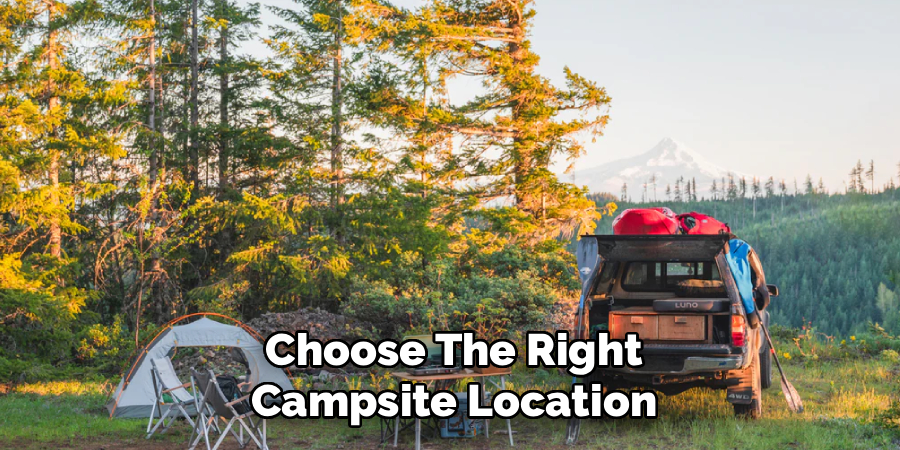
Setting up near a river, lake, or stream also offers immense benefits. The air passing over a body of water cools down significantly before reaching your tent, providing a continuous natural air conditioning effect. Always survey the landscape before claiming a spot, paying close attention to which direction the prevailing winds come from so you can position your shelter perfectly.
Step 2: Pitch Your Tent Under Natural Shade
Finding robust, natural shade completely changes the internal temperature of your shelter. You should aim to pitch your tent beneath a dense canopy of trees to block direct sunlight from baking your fabric. However, you must observe the sun’s trajectory throughout the day. A spot that looks perfectly shaded at noon might face harsh, direct exposure during the late afternoon when temperatures peak.
Try to anticipate where the sun will set and position your tent so it remains protected during those crucial late-day hours. If natural tree cover remains scarce, look for large boulders, hills, or canyon walls that cast long shadows. Remember to always inspect the trees above you for dead branches that could pose a safety hazard in windy conditions.
Step 3: Optimize Tent Ventilation for Maximum Airflow
Even in the shade, a sealed tent quickly becomes uncomfortably hot and stuffy due to trapped body heat and breath condensation. You must maximize airflow to push hot air out and pull cool breezes in. Start by removing the rainfly entirely if the weather forecast guarantees clear skies. The rainfly restricts breathability and traps heat more than any other component.
Next, open every single mesh window and door to create cross-ventilation. You want the wind to enter through one side and exit smoothly through the other. If your tent features ground-level vents, make sure they remain completely unobstructed. Cool air sinks, so pulling air from the lowest possible point provides the most refreshing breeze for you while you sleep.
Step 4: Utilize a Portable Battery-Powered Fan
Relying solely on Mother Nature for a breeze sometimes leaves you disappointed on exceptionally still, humid nights. Bringing a high-quality, battery-powered camping fan guarantees you have steady airflow exactly when you need it. You can suspend a lightweight fan directly from the ceiling loop of your tent to push stagnant air downward, creating a pleasant circulation effect across your entire body.
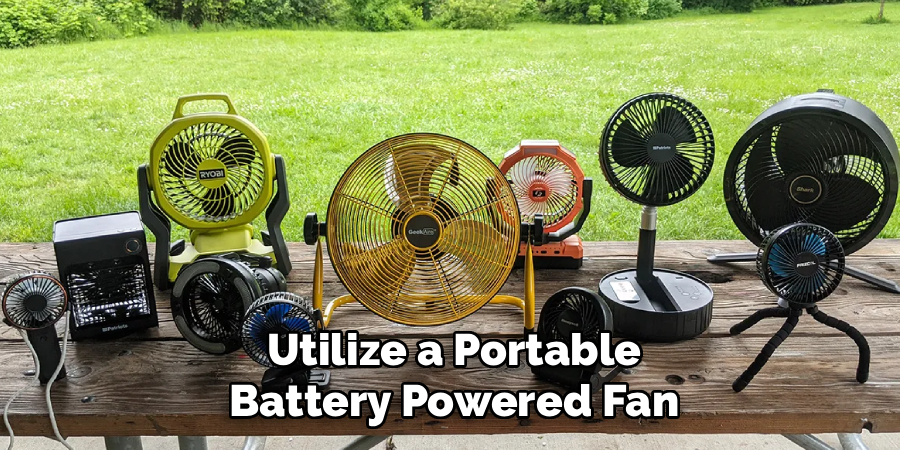
Alternatively, placing a fan near an open mesh window helps pull fresh evening air inside much faster. For extended trips, consider investing in a rechargeable fan accompanied by a small solar panel. This setup ensures you never run out of cooling power, keeping your personal microclimate comfortable regardless of the weather outside.
Step 5: Master How to Stay Cool While Camping With Reflective Tarps
When natural shade is completely unavailable, you must engineer your own protection against the sun. A reflective thermal tarp acts as a brilliant shield, bouncing harsh ultraviolet rays away from your living space. To use this effectively, string the tarp up at an angle above your tent, ensuring you leave at least a foot of empty space between the tarp and the tent fabric. This critical air gap prevents the tarp from transferring its absorbed heat directly onto your shelter. The wind can flow freely through this space, dissipating trapped warmth instantly. You can also set up a second reflective tarp over your primary seating area, creating a highly effective, artificially shaded oasis for your afternoon relaxation.
Step 6: Wear Breathable, Moisture-Wicking Clothing
The garments you choose to wear dictate how effectively your body regulates its internal temperature. Heavy cotton shirts trap sweat against your skin, leaving you feeling sticky, heavy, and overheated. Instead, transition your outdoor wardrobe entirely to synthetic fabrics like polyester, nylon, or specialized merino wool blends. These advanced materials pull moisture away from your body and push it to the surface of the fabric, where it evaporates rapidly into the air. This continuous evaporation process cools your skin naturally and efficiently. Opt for loose-fitting, light-colored clothing that reflects sunlight rather than absorbing it. A wide-brimmed hat and lightweight sunglasses will also protect your face and eyes, drastically reducing your overall perception of the heat.
Step 7: Hydrate Continuously Throughout the Day
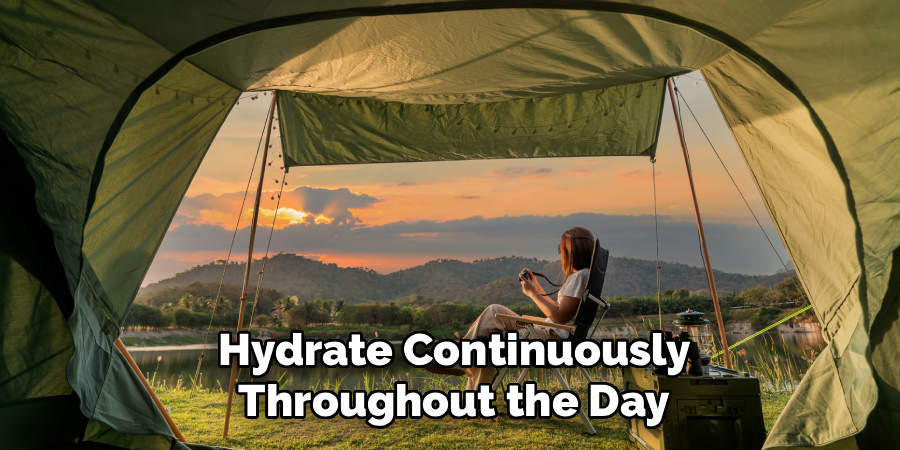
Your body relies on sweating to cool down, which means you lose vital fluids at an accelerated rate during a summer camping trip. You must replace this lost water constantly to maintain your body’s natural cooling mechanisms. Do not wait until you feel thirsty to take a drink, as thirst usually indicates that mild dehydration has already begun. Keep an insulated water bottle by your side at all times and take frequent sips. Adding electrolyte powders or tablets to your water provides an extra layer of protection, replacing the essential sodium and potassium you sweat out during hikes. Drinking icy cold water also lowers your core temperature from the inside out, providing immediate, refreshing relief during the hottest hours.
Step 8: Cool Your Pulse Points Before Going to Bed
Falling asleep in a warm environment proves challenging, but targeting your body’s pulse points can trick your system into cooling down rapidly. Your pulse points include your wrists, neck, ankles, and the backs of your knees. Because your blood vessels sit very close to the surface of your skin in these areas, applying cold temperatures here chills your blood as it circulates through your body. Before sliding into your sleeping bag, soak a clean bandana or small microfiber towel in icy water. Wring it out and drape it over your neck, or tie it loosely around your wrists. This simple, traditional technique drops your core temperature quickly, helping you drift off to sleep peacefully without relying on heavy cooling equipment.
Frequently Asked Questions
What Is the Best Type of Tent for Summer Camping?
Answer: Summer camping requires a tent designed specifically for high temperatures and maximum breathability.
- Look for a tent featuring large mesh panels on the walls and ceiling.
- Avoid four-season tents, as they use thick materials designed to trap heat in the winter.
- A light-colored tent will reflect sunlight better than dark green or black fabric.
Can I Use Ice Packs to Keep My Tent Cool at Night?
Answer: Yes, utilizing ice packs is a highly effective method for personal cooling inside a tent. You can wrap a frozen water bottle or an ice pack in a thin towel and place it near your feet or behind your neck. As the ice melts, it provides hours of localized relief. Additionally, placing a bowl of ice directly in front of a battery-powered fan creates a makeshift, refreshing air conditioner.
Should I Sleep With a Sleeping Bag in the Summer?
Answer: A standard, heavy sleeping bag will likely cause you to overheat during a hot summer night.
- Instead, bring a lightweight sleeping bag liner or a simple cotton bedsheet from home.
- If you prefer using a bag, choose a summer-specific model rated for 50 degrees Fahrenheit or higher.
- Leave the bag completely unzipped to maximize ventilation around your legs and torso.
How Can I Store My Food So It Does Not Spoil in the Heat?
Answer: Managing your food safely requires a high-quality, insulated cooler and strategic packing.
- Pre-chill your cooler with ice the night before your trip.
- Use block ice rather than cubed ice, as larger blocks melt at a much slower rate.
- Keep your cooler completely in the shade and cover it with a thick blanket or reflective tarp to block out ambient warm air.
Is It Safe to Hike During the Hottest Part of the Day?
Answer: Experts strongly advise against engaging in strenuous activities like hiking during peak afternoon heat, which usually falls between noon and three o’clock. Sun exposure and high temperatures rapidly deplete your energy and significantly increase the risk of heat stroke. Plan your physical activities for the early morning hours or late afternoon when the sun hangs lower in the sky and temperatures drop.
Conclusion
Mastering outdoor comfort completely changes the way you experience nature during the warmest months of the year. By choosing an elevated campsite, maximizing your tent’s airflow, and wearing the proper moisture-wicking fabrics, you set yourself up for a truly relaxing getaway. Do not let the fear of summer heat keep you confined indoors while the wilderness waits to be explored.
Take these practical strategies and apply them to your next adventure. Whether you are heading to a local state park or venturing deep into the backcountry, utilizing these methods will dramatically improve your trip. Now that you understand how to stay cool while camping, you can confidently pack your bags, embrace the beautiful sunshine, and enjoy everything the great outdoors has to offer.

About Caleb
Caleb Merritt is a Virginia-based outdoor writer and gear analyst who has spent over a decade sleeping on the ground, crossing mountain passes, and obsessively shaving grams off his pack weight. He holds a Bachelor of Science in Environmental Science from James Madison University, where he also served as president of the university’s outdoor recreation club. After graduating, he spent three years as a wilderness educator with a backcountry youth program in the Shenandoah Valley — teaching Leave No Trace ethics, backcountry navigation, and campcraft — before moving into full-time writing in 2018.
His work focuses on one core belief: the best gear is the gear you understand. Whether he’s doing a side-by-side weight comparison of ultralight shelters or writing a beginner’s guide to building a sub-20-lb base weight kit, Caleb writes with the same directness you’d expect from a trusted trail partner. He has logged more than 4,000 miles across iconic routes including the John Muir Trail, the Wind River Range, Vermont’s Long Trail, and the Collegiate Peaks Loop in Colorado.
Areas of Expertise
- Ultralight backpacking systems and base weight optimization
- Tent, tarp, and shelter testing across three-season and shoulder-season conditions
- Sleeping bag and quilt temperature rating verification
- Backpacking nutrition, meal planning, and calorie-per-ounce analysis
- Leave No Trace principles and wilderness ethics
- Campfire safety, bear country protocols, and water treatment methods
- Gear care, repair, and long-term durability assessment
Education
James Madison University — B.S. in Environmental Science, 2015
During his time at JMU, Caleb served as President of the Outdoor Recreation Club, where he planned and led more than 30 backcountry trips annually across the Blue Ridge Mountains and Appalachian Trail corridor. The role sharpened his ability to assess gear performance under real conditions, manage group safety in remote environments, and develop the kind of practical trail knowledge that no classroom can teach.
Professional Experience
Gear Writer & Senior Contributor — [campeox.com]
Produces in-depth gear reviews, buyer’s guides, and how-to content across backpacking, camping, and ultralight hiking categories. Tests all gear in real field conditions before publishing recommendations.
Wilderness Educator & Trip Leader — Shenandoah Backcountry Youth Program — 2015–2018 Led multi-day backcountry expeditions for teens and young adults throughout Shenandoah National Park and George Washington National Forest. Taught LNT principles, orienteering, first aid awareness, and campcraft fundamentals.
Outdoor Recreation Club President — James Madison University — 2013–2015 Organized and led university-sponsored hiking, backpacking, and camping trips in the Blue Ridge Mountains and Appalachian Trail corridor. Managed club budget, safety protocols, and trip logistics for a membership of 120+ students.
Editorial Standards
Every piece of gear Caleb recommends has been personally tested in the field — not just unboxed and described. His review process includes a minimum of two overnight trips per shelter, a full-season evaluation for sleep systems, and side-by-side comparisons wherever possible. He does not accept payment for positive reviews. Affiliate relationships, where they exist, are always disclosed in accordance with FTC guidelines.
All factual claims about gear specifications, trail distances, and safety recommendations are cross-referenced against manufacturer data sheets and established sources such as the Leave No Trace Center for Outdoor Ethics and the American Hiking Society before publication.