Investing in premium headwear means you want it to look sharp for years to come. Your outdoor adventures, rigorous workouts, and weekend trips take a toll on your favorite caps. Sweat, dirt, and sunscreen quickly build up on the fabric, leaving behind stubborn stains and unpleasant odors. You might feel tempted to throw it into the washing machine and hope for the best.
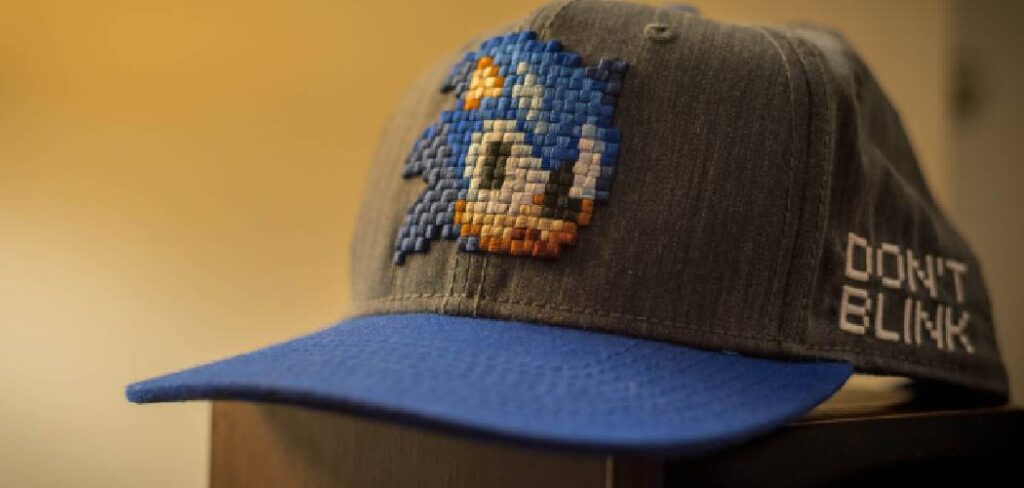
However, aggressive washing methods destroy the water-resistant materials, crush the structured crown, and warp the visor permanently. Hand washing is the only safe method to preserve the shape, texture, and durability of your premium headwear. If you are trying to figure out exactly how to clean melin hat, you need a gentle, methodical approach. This comprehensive guide provides step-by-step instructions to restore your cap safely and effectively without ruining its specialized materials.
Why Cleaning Your Melin Hat Matters
Learning this valuable skill significantly extends the lifespan of your favorite outdoor gear. When you hike, camp, or spend time outside, sweat and skin oils soak directly into the headband and crown. Over time, these natural body oils break down the specialized synthetic fibers and compromise the water-resistant coatings. Dirt and trail dust also act like tiny abrasive particles that slowly wear away the fabric weave.
Keeping your headwear spotless does much more than improve its appearance. Regular maintenance prevents bacteria buildup that causes unpleasant odors during long camping trips. It also stops permanent discoloration before it sets deep into the moisture-wicking lining. Taking a few minutes to master proper maintenance saves you money in the long run. You will spend less time replacing ruined gear and more time enjoying the great outdoors with equipment that looks brand new.
Tools and Materials You’ll Need
Gathering the right supplies beforehand makes the entire washing process smooth and stress-free. Using household items you already have ensures you treat the delicate fabrics gently. Avoid harsh chemical cleaners, bleach, or heavy-duty laundry detergents at all costs.
- A clean, soft-bristled brush (a new toothbrush works perfectly)
- Mild liquid dish soap or baby shampoo
- A small bowl or bucket for warm water
- Two clean, lint-free microfiber cloths
- A dry, clean towel for moisture absorption
- Optional: A specialized hat form or a small inflatable ball to maintain shape while drying
Step-by-Step Guide on How to Clean Melin Hat
Step 1 – Inspecting the Material and Stains
Before you apply any water or soap, closely examine the entire surface of your cap. Look for the darkest stains, which usually hide along the inner sweatband and the underside of the visor. Identify any dried mud spots, salt rings from dried sweat, or sunscreen smudges along the panels.
Taking a mental note of these problem areas allows you to focus your efforts later. You should also check the care tag inside the lining for any specific manufacturer warnings. Taking this brief moment to assess the damage prevents you from scrubbing too hard on delicate sections. Figuring out how to clean melin hat always begins with a thorough visual inspection.
Step 2 – Brushing Off Surface Dust
Grab your dry, soft-bristled brush or a clean toothbrush for this initial dry cleaning phase. Gently sweep the bristles across the crown, side panels, and visor to dislodge loose dirt. Use light, sweeping motions to lift the dust rather than pressing it deeper into the fabric weave.
Removing this loose debris right now prevents you from creating a muddy paste later when you add water. Pay special attention to the seams and the ventilation holes where dust loves to settle. Brushing the exterior leaves you with a much cleaner canvas for the wet washing stage. It takes only a minute but drastically improves your final results.
Step 3 – Preparing the Cleaning Solution
Fill your small bowl or bucket with a few cups of lukewarm water. Never use hot water, as high temperatures easily warp the visor’s internal structure and shrink the synthetic fibers. Squeeze just two or three drops of mild liquid dish soap or baby shampoo into the warm water.
Stir the liquid gently with your fingers or the handle of your brush until light suds form on the surface. You want a mild, soapy mixture that breaks down body oils without leaving behind a heavy residue. Using too much soap makes the rinsing phase incredibly difficult and stiffens the fabric. Keep the solution simple and highly diluted.
Step 4 – Testing for Colorfastness
Before washing the entire crown, you must ensure the dye will not bleed or fade. Dip the very tip of your microfiber cloth into the soapy water and squeeze out the excess liquid. Rub this damp cloth onto a small, hidden area of the fabric, like the inside edge of the back strap.
Wait a few minutes and check your cloth to see if any color transferred onto it. If the cloth remains clean, you can proceed safely with the rest of the washing process. Skipping this quick test sometimes results in ruined patterns or faded spots on vibrant styles. Protect your investment by always verifying the dye stability first.
Step 5 – Applying the Cleaning Mixture
Dip your soft-bristled brush lightly into the soapy water, shaking off the dripping excess. You want the bristles damp, not soaking wet, to avoid saturating the interior foam completely. Gently rub the brush over the exterior panels using small, overlapping circular motions.
Work your way around the crown systematically, applying very light pressure to lift the grime. Mastering how to clean melin hat involves letting the soapy water do the heavy lifting rather than your elbow grease. If the brush becomes dirty, rinse it in the bowl and apply fresh suds to the next panel. Keep your movements fluid and consistent.
Step 6 – Scrubbing the Inner Sweatband
The interior sweatband requires the most attention because it absorbs all your perspiration and skin oils. Dip your brush back into the cleaning mixture and tackle the inner rim with slightly firmer pressure. Move the brush back and forth along the band to break down the hardened salt and oil stains.
You might need to dip the brush a few extra times for heavily soiled headbands. Ensure you clean the entire circumference, including the area behind the front panels where sweat accumulates heavily. This step eliminates the bacteria that cause lingering odors after long days in the sun. Take your time to thoroughly refresh this vital component.
Step 7 – Wiping Away the Soap
Set your brush aside and grab your first clean, lint-free microfiber cloth. Dampen the cloth with plain, cool water from the sink and wring it out completely. Wipe the damp cloth over the entire cap to lift away the soapy residue and suspended dirt.
You must remove all the soap from the fibers so the fabric remains breathable and soft. Keep rinsing your cloth under the tap and wiping the panels until no suds remain on the surface. Leaving soap behind attracts more dirt the next time you wear it outdoors. A thorough wipe-down guarantees a pristine, streak-free finish.
Step 8 – Absorbing Excess Moisture
Now you need to remove as much water from the fabric as quickly as possible. Take your dry towel and press it firmly against the interior and exterior of the crown. Blot the material carefully instead of rubbing it, which creates unwanted fuzz on the smooth synthetic exterior.
Press the towel against the visor and the sweatband to soak up any lingering dampness. Removing this excess water speeds up the drying timeline and prevents water spots from forming. The cap should feel only slightly damp to the touch once you finish this blotting process. Proper moisture removal is crucial for maintaining the structural integrity.
Step 9 – Reshaping the Crown and Brim
Wet materials easily lose their form, so you must restore the original shape before the fabric dries completely. Smooth out any wrinkles on the front panels using your hands. If you have a specialized form or a small inflatable ball, place it inside the crown to support the structure.
Alternatively, you can ball up a few clean, dry hand towels and stuff them gently inside. Check the curvature of the visor and gently mold it back to your preferred angle. Securing the shape right now guarantees it looks exactly the way it did when you bought it. Never let a crushed crown dry on its own.
Step 10 – Air Drying the Cap Properly
Place your reshaped cap in a well-ventilated, dry room away from any direct heat sources. Never use a hair dryer, radiator, or direct sunlight to speed up the process, as extreme heat warps the plastic visor insert instantly. Leave the cap sitting upright on a clean towel for at least twelve to twenty-four hours.
Check on it periodically to ensure the interior towels are not holding onto too much moisture. Once the fabric feels completely dry inside and out, remove the stuffing and inspect your work. Your premium headwear is now refreshed, odorless, and ready for your next big outdoor adventure.
Common Mistakes
Many beginners ruin their premium headwear by ignoring basic care instructions and taking unnecessary shortcuts. The most frequent disaster involves throwing the cap into a standard washing machine. The fierce agitation, heavy spin cycles, and harsh laundry detergents destroy the water-resistant coating and crush the reinforced front panels permanently. Similarly, placing the cap in a dishwasher exposes the delicate synthetic fabrics to scalding hot water and bleaching agents designed for baked-on food. This extreme heat physically warps the plastic insert inside the visor, leaving you with a lumpy, unwearable accessory.
Another major error is scrubbing the exterior fabric far too aggressively with stiff-bristled brushes. Using tough cleaning tools causes the smooth material to pill, fray, and lose its premium texture. People also frequently rush the drying stage by leaving their wet caps on a hot dashboard or blasting them with a hair dryer. Forced heat shrinks the interior moisture-wicking lining and melts the adhesives holding the seams together. Finally, many users forget to rinse the soap out completely during the hand-washing process. Dried soap residue stiffens the fabric, traps odors, and actually attracts dust much faster the next time you step outside.
Expert Tips
Maintaining the pristine condition of your gear requires a proactive approach between deep washes. After a heavy workout or a hot hike, gently wipe down the inner sweatband with a damp cloth immediately. Removing the salt and sweat before it dries prevents permanent yellowing and stops bacteria from multiplying.
Store your headwear in a cool, dry place away from direct sunlight when you are not actively exploring. Leaving caps stacked in a hot car breaks down the elastic components and fades the vibrant exterior dyes. If you travel frequently, consider investing in a protective hard case to stop your luggage from crushing the structured crown. For minor spot cleaning, keep a pack of gentle, alcohol-free baby wipes in your backpack. A quick wipe removes fresh mud splatters and sunscreen marks instantly, reducing the need for full submersion washes.
Frequently Asked Questions
Can I put my premium cap in the washing machine?
You should never put this type of headwear in a washing machine. The intense agitation and heavy spin cycles permanently ruin the structured front panels. Machine washing also bends the plastic visor insert and strips away the specialized water-resistant coatings. Hand washing remains the only safe method to preserve the shape and functionality of your gear.
What kind of soap works best for this material?
Mild liquid dish soap or baby shampoo provides the safest and most effective results. These gentle cleansers cut through body oils and sweat without using harsh bleaching agents. Avoid heavy laundry detergents, as they often contain chemicals that degrade synthetic outdoor fabrics. Always dilute the soap in lukewarm water before applying it.
How do I get sweat stains out of the inner band?
Dip a soft-bristled toothbrush into a diluted mixture of warm water and mild dish soap. Scrub the inner band gently but firmly using back-and-forth motions to break down the hardened salt. Wipe the area completely clean with a damp cloth afterward. Doing this regularly prevents permanent yellow discoloration from setting into the lining.
How long does it take for the fabric to dry?
Air drying usually takes anywhere from twelve to twenty-four hours, depending on your local humidity and temperature. You must keep the cap in a well-ventilated space indoors to ensure even drying. Stuffing the interior with dry towels absorbs internal moisture faster while holding the crown’s shape. Never use artificial heat sources to speed up the timeline.
Is it safe to use bleach on white caps?
You must absolutely avoid using bleach on any premium outdoor headwear, even the pure white styles. Bleach immediately degrades the synthetic fibers, breaks down the water-resistant treatments, and causes premature yellowing over time. Stick to mild dish soap and gentle scrubbing to restore the bright white appearance safely.
Conclusion
Taking proper care of your premium headwear ensures it remains functional, comfortable, and stylish for every outdoor excursion. Hand washing might seem tedious at first, but this gentle method guarantees the structural integrity and advanced materials survive unharmed. By gathering the right tools, using mild soap, and avoiding extreme heat, you protect your investment effortlessly.
Remember to act quickly on fresh sweat and dirt, wiping them away before they sink deep into the synthetic fibers. Consistent, gentle maintenance prevents permanent discoloration and stops unpleasant odors before they start. Now that you know exactly how to clean melin hat, you can confidently tackle any muddy trail or sweaty workout. Treat your gear with respect, dry it carefully, and it will continue to protect you from the elements for countless adventures ahead.

About Caleb
Caleb Merritt is a Virginia-based outdoor writer and gear analyst who has spent over a decade sleeping on the ground, crossing mountain passes, and obsessively shaving grams off his pack weight. He holds a Bachelor of Science in Environmental Science from James Madison University, where he also served as president of the university’s outdoor recreation club. After graduating, he spent three years as a wilderness educator with a backcountry youth program in the Shenandoah Valley — teaching Leave No Trace ethics, backcountry navigation, and campcraft — before moving into full-time writing in 2018.
His work focuses on one core belief: the best gear is the gear you understand. Whether he’s doing a side-by-side weight comparison of ultralight shelters or writing a beginner’s guide to building a sub-20-lb base weight kit, Caleb writes with the same directness you’d expect from a trusted trail partner. He has logged more than 4,000 miles across iconic routes including the John Muir Trail, the Wind River Range, Vermont’s Long Trail, and the Collegiate Peaks Loop in Colorado.
Areas of Expertise
- Ultralight backpacking systems and base weight optimization
- Tent, tarp, and shelter testing across three-season and shoulder-season conditions
- Sleeping bag and quilt temperature rating verification
- Backpacking nutrition, meal planning, and calorie-per-ounce analysis
- Leave No Trace principles and wilderness ethics
- Campfire safety, bear country protocols, and water treatment methods
- Gear care, repair, and long-term durability assessment
Education
James Madison University — B.S. in Environmental Science, 2015
During his time at JMU, Caleb served as President of the Outdoor Recreation Club, where he planned and led more than 30 backcountry trips annually across the Blue Ridge Mountains and Appalachian Trail corridor. The role sharpened his ability to assess gear performance under real conditions, manage group safety in remote environments, and develop the kind of practical trail knowledge that no classroom can teach.
Professional Experience
Gear Writer & Senior Contributor — [campeox.com]
Produces in-depth gear reviews, buyer’s guides, and how-to content across backpacking, camping, and ultralight hiking categories. Tests all gear in real field conditions before publishing recommendations.
Wilderness Educator & Trip Leader — Shenandoah Backcountry Youth Program — 2015–2018 Led multi-day backcountry expeditions for teens and young adults throughout Shenandoah National Park and George Washington National Forest. Taught LNT principles, orienteering, first aid awareness, and campcraft fundamentals.
Outdoor Recreation Club President — James Madison University — 2013–2015 Organized and led university-sponsored hiking, backpacking, and camping trips in the Blue Ridge Mountains and Appalachian Trail corridor. Managed club budget, safety protocols, and trip logistics for a membership of 120+ students.
Editorial Standards
Every piece of gear Caleb recommends has been personally tested in the field — not just unboxed and described. His review process includes a minimum of two overnight trips per shelter, a full-season evaluation for sleep systems, and side-by-side comparisons wherever possible. He does not accept payment for positive reviews. Affiliate relationships, where they exist, are always disclosed in accordance with FTC guidelines.
All factual claims about gear specifications, trail distances, and safety recommendations are cross-referenced against manufacturer data sheets and established sources such as the Leave No Trace Center for Outdoor Ethics and the American Hiking Society before publication.