Camping during cooler months offers breathtaking scenery, peaceful trails, and quiet nights under the stars. However, dropping temperatures can quickly turn a fun adventure into a miserable experience if you arrive unprepared. Whether you plan an autumn weekend getaway or a winter expedition, knowing how to stay warm in a tent ensures you wake up rested and ready to explore.
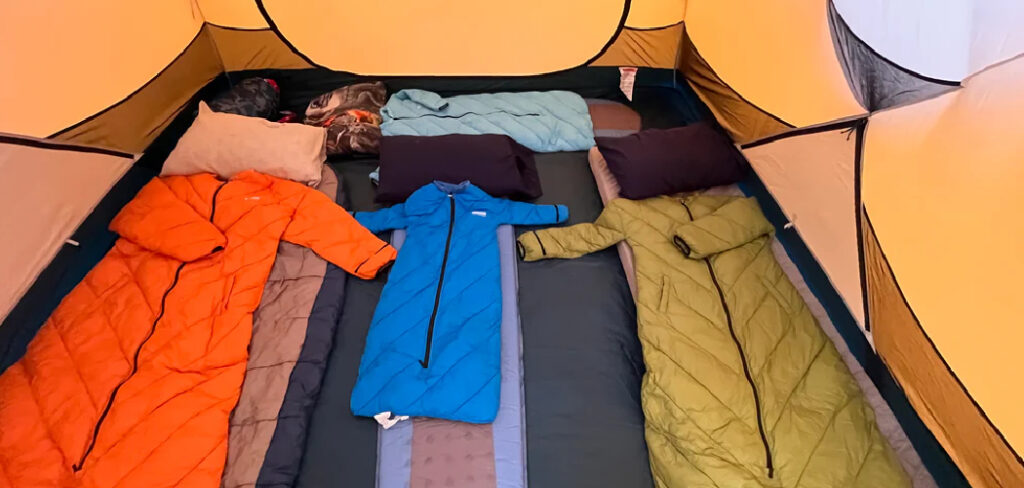
You do not need to suffer through shivering, sleepless nights just because the forecast predicts a chill. A few simple preparations and the right gear choices make all the difference between freezing and thriving. We created this beginner-friendly guide to help you master the art of cold-weather camping. You will learn expert techniques to trap your body heat, block out the cold ground, and create a cozy sleep environment anywhere you pitch your shelter.
Why Keeping Warm While Camping Matters
Failing to maintain your core temperature during a camping trip ruins the fun and introduces serious safety risks. When your body loses heat faster than it can produce it, you face the very real danger of hypothermia. Even mild cold exposure leads to poor sleep, leaving you exhausted, irritable, and prone to making bad decisions on the trail.
Beyond safety, mastering temperature control allows you to extend your camping season. You unlock the ability to enjoy empty campgrounds, lack of bugs, and beautiful snowy landscapes. By preparing properly, you transform your shelter into a reliable refuge against the elements. A well-insulated sleep system helps your muscles recover after a long day of hiking, keeping your energy levels high for the next day. Preparing for the cold simply makes the entire outdoor experience much more rewarding.
9 Step-by-Step Guide: How to Stay Warm in a Tent
Step 1: Invest in a High-Quality Sleeping Bag
Your sleeping bag serves as your primary defense against freezing nighttime temperatures. You must select a mummy-style bag with a temperature rating at least ten degrees lower than the coldest weather you expect to encounter. Mummy bags taper at the feet and feature a snug hood, which minimizes the empty space your body needs to heat.
Down insulation offers an incredible warmth-to-weight ratio, making it perfect for cold nights, provided you keep it completely dry. Synthetic insulation performs better in damp conditions and costs less, though it tends to be bulkier. Always store your bag unpacked at home to maintain its loft, as compressed insulation loses its ability to trap your valuable body heat over time.
Step 2: Use an Insulated Sleeping Pad
Many beginners make the mistake of focusing entirely on their sleeping bag while ignoring the cold ground below. The earth conducts heat away from your body much faster than the surrounding air. You need a high-quality sleeping pad with a solid R-value to create a protective barrier between you and the dirt.
For cold-weather camping, look for an R-value of four or higher. You can achieve this by stacking a closed-cell foam pad underneath an inflatable insulated pad. The foam provides durable, puncture-proof protection, while the inflatable layer traps warm air near your body. This combined setup drastically reduces heat loss and provides necessary cushioning for a comfortable night of sleep.
Step 3: Layer Up with Thermal Clothing
Going to bed wearing the sweaty clothes you hiked in guarantees a freezing night. Moisture trapped in your garments draws heat away from your skin as it evaporates. You must change into completely dry, clean base layers right before you crawl into your sleeping bag.
Choose materials like merino wool or synthetic moisture-wicking fabrics for your sleepwear. Avoid cotton completely, as it retains dampness and provides zero insulation when wet. Fit matters immensely here; your base layers should fit snugly against your skin to trap a thin layer of warm air, but not so tight that they restrict your blood circulation. Add a mid-layer fleece if the temperature drops significantly.
Step 4: Fill a Hot Water Bottle for Extra Heat
You can give your body a massive head start on warming up your sleeping bag by using a simple hot water bottle. About twenty minutes before you plan to sleep, boil some water on your camp stove. Carefully pour the boiling water into a hard plastic, heat-resistant water bottle and seal the lid tightly.
Wrap the bottle in a spare shirt or thick sock to prevent the hot plastic from burning your skin. Place the wrapped bottle near your feet or between your thighs, where it will warm the blood flowing to your extremities. This steady source of radiant heat lasts for several hours and makes crawling into a frigid sleeping bag much more enjoyable.
Step 5: Understanding How to Stay Warm in a Tent with Ventilation
It seems completely counterintuitive to open a window when trying to stay warm, but proper airflow remains essential. As you breathe throughout the night, you exhale warm, moist air into the enclosed space of your shelter. Without ventilation, this moisture hits the cold fabric walls and condenses into water droplets.
Eventually, this condensation drips down onto your sleeping bag and clothing, rendering your insulation useless. You must crack the top vents of your shelter to allow this humid air to escape. While you might lose a tiny fraction of heat, keeping your gear perfectly dry proves far more critical for maintaining your core temperature until morning.
Step 6: Consume a High-Calorie Snack Before Bed
Your body operates exactly like a furnace, and it requires fuel to generate heat throughout the long, dark night. Eating a high-calorie snack right before bed kicks your metabolism into high gear, keeping your internal engine burning.
Focus on consuming complex carbohydrates, healthy fats, and proteins that digest slowly and provide sustained energy. Foods like peanut butter, trail mix, cheese, or energy bars work perfectly for this purpose. Drinking a warm, non-caffeinated beverage like herbal tea or hot chocolate also helps elevate your core temperature just before sleep. Avoid drinking too much liquid, as waking up to use the restroom forces you out of your cozy setup.
Step 7: Wear a Warm Hat and Thick Socks
Your body prioritizes keeping your vital organs warm, which means it reduces blood flow to your extremities when temperatures plummet. This physiological response explains why your toes and nose usually feel cold first. You must proactively insulate these vulnerable areas before you go to sleep.
Put on a clean, dry pair of thick wool socks specifically reserved for sleeping. Wear a warm fleece or wool beanie to trap the significant amount of heat that escapes from your head and neck. If your hands run cold, wear a pair of lightweight liner gloves. Keeping your extremities fully insulated helps your circulatory system distribute warmth evenly across your entire body.
Step 8: Mastering How to Stay Warm in a Tent with Liners
When your current sleeping bag struggles to keep the cold at bay, a sleeping bag liner provides an instant thermal upgrade. These lightweight, highly packable inserts slide directly inside your bag, adding a crucial extra layer of insulation.
Thermal liners made from materials like microfleece or specialized reactor fabrics can increase your bag’s temperature rating by ten to fifteen degrees. Beyond providing immediate warmth, liners protect the inside of your expensive sleeping bag from dirt and body oils, extending its lifespan. They cost very little compared to buying a brand-new winter sleeping bag, making them an essential addition to any cold-weather camping kit.
Step 9: Position Your Campsite Strategically
Where you pitch your shelter drastically impacts your overall warmth during the night. Avoid setting up at the very bottom of a valley or depression, as cold air naturally sinks and pools in these low-lying areas.
Instead, look for a flat, elevated spot slightly higher up the hillside. Position your shelter to block the prevailing wind by utilizing natural windbreaks like dense trees, large boulders, or thick bushes. Additionally, try to orient your door toward the east so the morning sun hits your shelter early, providing a welcoming burst of radiant heat when it is time to wake up and start your day.
Frequently Asked Questions (FAQ)
Can You Use a Heater Inside a Tent?
You should never use unvented propane or gas heaters inside an enclosed shelter due to the extreme risk of carbon monoxide poisoning and fire. If you camp at a site with electrical hookups, you can safely run a small electric space heater. Always ensure the electric heater has an automatic tip-over shutoff switch and keep it far away from flammable fabrics.
Does a Smaller Tent Keep You Warmer?
Yes, a smaller shelter stays noticeably warmer than a massive cabin-style structure. Your body acts as a natural radiator, emitting heat into the surrounding air. A smaller interior volume means your body has less empty space to warm up. For cold trips, only bring a shelter large enough to comfortably fit your sleeping setup.
Why Do I Wake Up Cold Even with a Good Sleeping Bag?
You likely lack proper ground insulation or are wearing damp base layers. A heavy sleeping bag cannot overcome the conductive heat loss caused by a poor sleeping pad. Additionally, if you went to bed wearing the clothes you sweat in during the day, that trapped moisture will pull heat away from your skin all night.
Should I Cover My Face Inside the Sleeping Bag?
You must avoid breathing directly inside your sleeping bag at all costs. While burying your face feels warm initially, your breath contains immense amounts of moisture. This moisture quickly condenses, making your insulation wet and destroying its ability to trap heat. Instead, cinch your mummy bag hood tightly around your face and wear a balaclava.
What is the Best Material for Sleepwear While Camping?
Merino wool stands out as the absolute best material for camping sleepwear.
- It wicks moisture away from your skin.
- It regulates body temperature brilliantly.
- It naturally resists odors over multi-day trips.
If wool exceeds your budget, high-quality synthetic polyester blends also perform exceptionally well. You should permanently ban cotton from your camping wardrobe.
Conclusion
Conquering the cold transforms winter camping from a miserable trial into a magical outdoor experience. By investing in the right sleep system, managing your body’s fuel, and keeping moisture at bay, you ensure every night under the stars remains cozy and safe. Remember that preparation begins long before you reach the campground; testing your gear and understanding your personal limits makes all the difference.
Do not let a chilly weather forecast keep you trapped indoors this season. Pack up your insulated pads, grab those dry wool socks, and hit the trail with confidence. Now that you know exactly how to stay warm in a tent, you are fully equipped to enjoy the serene beauty of cold-weather camping.

About Caleb
Caleb Merritt is a Virginia-based outdoor writer and gear analyst who has spent over a decade sleeping on the ground, crossing mountain passes, and obsessively shaving grams off his pack weight. He holds a Bachelor of Science in Environmental Science from James Madison University, where he also served as president of the university’s outdoor recreation club. After graduating, he spent three years as a wilderness educator with a backcountry youth program in the Shenandoah Valley — teaching Leave No Trace ethics, backcountry navigation, and campcraft — before moving into full-time writing in 2018.
His work focuses on one core belief: the best gear is the gear you understand. Whether he’s doing a side-by-side weight comparison of ultralight shelters or writing a beginner’s guide to building a sub-20-lb base weight kit, Caleb writes with the same directness you’d expect from a trusted trail partner. He has logged more than 4,000 miles across iconic routes including the John Muir Trail, the Wind River Range, Vermont’s Long Trail, and the Collegiate Peaks Loop in Colorado.
Areas of Expertise
- Ultralight backpacking systems and base weight optimization
- Tent, tarp, and shelter testing across three-season and shoulder-season conditions
- Sleeping bag and quilt temperature rating verification
- Backpacking nutrition, meal planning, and calorie-per-ounce analysis
- Leave No Trace principles and wilderness ethics
- Campfire safety, bear country protocols, and water treatment methods
- Gear care, repair, and long-term durability assessment
Education
James Madison University — B.S. in Environmental Science, 2015
During his time at JMU, Caleb served as President of the Outdoor Recreation Club, where he planned and led more than 30 backcountry trips annually across the Blue Ridge Mountains and Appalachian Trail corridor. The role sharpened his ability to assess gear performance under real conditions, manage group safety in remote environments, and develop the kind of practical trail knowledge that no classroom can teach.
Professional Experience
Gear Writer & Senior Contributor — [campeox.com]
Produces in-depth gear reviews, buyer’s guides, and how-to content across backpacking, camping, and ultralight hiking categories. Tests all gear in real field conditions before publishing recommendations.
Wilderness Educator & Trip Leader — Shenandoah Backcountry Youth Program — 2015–2018 Led multi-day backcountry expeditions for teens and young adults throughout Shenandoah National Park and George Washington National Forest. Taught LNT principles, orienteering, first aid awareness, and campcraft fundamentals.
Outdoor Recreation Club President — James Madison University — 2013–2015 Organized and led university-sponsored hiking, backpacking, and camping trips in the Blue Ridge Mountains and Appalachian Trail corridor. Managed club budget, safety protocols, and trip logistics for a membership of 120+ students.
Editorial Standards
Every piece of gear Caleb recommends has been personally tested in the field — not just unboxed and described. His review process includes a minimum of two overnight trips per shelter, a full-season evaluation for sleep systems, and side-by-side comparisons wherever possible. He does not accept payment for positive reviews. Affiliate relationships, where they exist, are always disclosed in accordance with FTC guidelines.
All factual claims about gear specifications, trail distances, and safety recommendations are cross-referenced against manufacturer data sheets and established sources such as the Leave No Trace Center for Outdoor Ethics and the American Hiking Society before publication.