There is nothing quite like gathering around a warm, crackling fire on a crisp evening. Many outdoor enthusiasts upgrade their campsites and backyards with smokeless fire pits to enjoy the flames without the stinging eyes. Learning how to light a solo stove correctly ensures you get that beautiful, smokeless secondary combustion every single time.
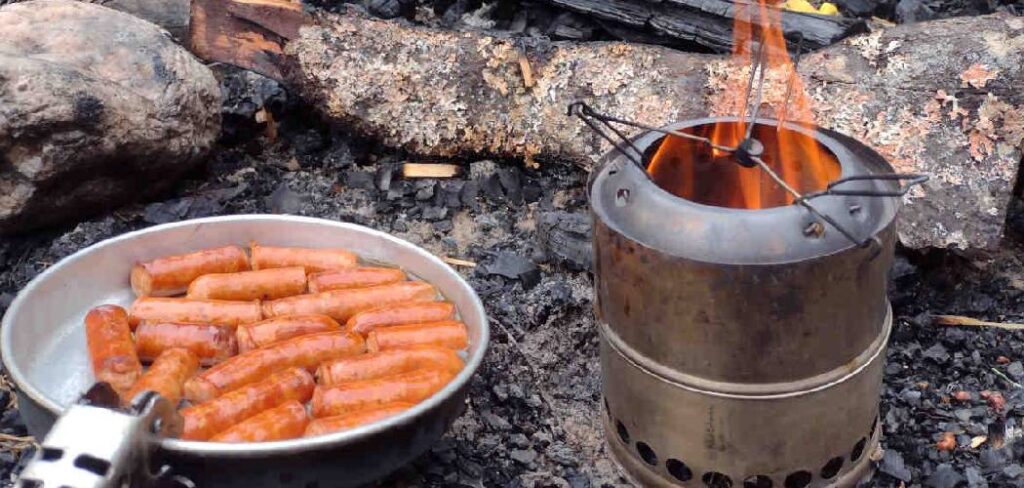
It might seem intimidating when you first unbox your shiny new stainless steel fire pit. You might wonder if it requires special techniques or rare types of wood to work properly. The truth is that building a perfect fire relies on basic principles of airflow and heat management. Once you understand the specific design of this unique fire pit, creating a roaring, efficient blaze becomes incredibly simple. This guide provides a straightforward, step-by-step approach to help you confidently ignite your fire pit and maintain a beautiful blaze all night long.
Why This Guide Works for Any Solo Stove
This guide works for any Solo Stove because all models—Bonfire, Ranger, Yukon, and Camp Stove—share the same core engineering principle: a double‑wall design with secondary‑burn airflow. The outer wall draws in cool air from the bottom vents, which then heats up in the gap between walls and feeds into the fire chamber from above, helping burn off smoke and create a cleaner, hotter flame.
Because of this shared design, the core steps for lighting (preparing the base, stacking tinder and kindling, adding wood gradually, and managing airflow) stay essentially the same across models. You’ll only need to tweak the stack layout and log size to match the specific chamber size of your Bonfire, Ranger, Yukon, or Camp Stove.
Safety First – Non‑Negotiable Rules
Always place your Solo Stove on a level, non‑combustible surface such as concrete, gravel, pavers, or a dedicated fire‑pit pad. Avoid grass, mulch, or wooden decks unless you’re using a proper stand or heat shield designed for the stove.
Make sure the area around the fire pit is at least 10 feet clear of flammable objects, including furniture, overhanging branches, and outdoor décor. Never use gasoline, lighter fluid, charcoal lighter, or other liquid accelerants to start or boost the fire, as they can cause dangerous flare‑ups and damage the stainless‑steel body.
Wear heat‑resistant gloves when handling the stove or adjusting logs, and always keep a fire extinguisher, bucket of water, or garden hose nearby in case the fire gets out of control. Never leave the Solo Stove burning unattended, especially in windy conditions or around children and pets.
What You Need to Light a Solo Stove
Gathering the right supplies before you begin makes the entire process smooth and enjoyable. You want to have everything within arm’s reach so you never have to leave a growing fire unattended. The right materials dictate how quickly your fire catches and how efficiently it burns.
● Dry, hardwood logs split into chunks that fit entirely inside your fire pit
● A generous handful of dry kindling, such as small twigs or split cedar strips
● High-quality fire starters, such as tumbleweeds, wax-coated hemp, or fatwood sticks
● A long-reach windproof lighter or long wooden matches
● Heat-resistant fire gloves for safely moving wood
● A long metal fire poker or tongs to adjust burning logs safely
● An ash scoop to clean the basin before starting
● Optional: A moisture meter to guarantee your firewood has a moisture content below twenty percent
Step-by-Step Guide to Igniting Your Fire Pit
Step 1 – Prepare Your Solo Stove
Start by placing your Solo Stove on a level, stable surface where it won’t rock or tip, such as a concrete patio, paver stone, or dedicated fire‑pit pad. Before you start, remove the screen, lid, or cooking ring so the fire has full access to the air vents and you can easily build and adjust the wood stack.
Next, clear out any debris, leftover ash, or broken coals from prior burns; this helps fresh air flow through the bottom vents and reduces the risk of smoldering embers. Check that the bottom air vents are open and not clogged with ash or small debris. If your model includes a flame ring or bottom plate, make sure it’s oriented correctly so the vents face upward and align with the stove’s airflow design.
Step 2 – Build the Base and Tinder Stack
Start by laying a base layer of 2–3 inch wood chunks across the bottom grate, spreading them evenly so airflow can pass through the spaces between them. This base creates a solid ember bed that will help larger logs catch and burn more efficiently once the fire is going.
On top of the base, add a layer of dry tinder and small kindling, such as thin twigs, dry leaves, bark shavings, or commercial fire‑starter cubes. Arrange these materials loosely so air can flow through from below, avoiding tightly packed piles that smother the flame. For a more structured setup, you can use the optional “Clock Face” method: place 3–4 small logs radially from the center like the hands of a clock, which helps channel heat outward and encourages the surrounding wood to ignite more evenly.
Step 3 – Light the Fire Properly
When you’re ready to ignite, light the tinder in multiple spots around the stack instead of just one corner; this encourages the flame to spread more evenly and helps the fire catch faster. Use a long‑neck lighter or matches to avoid leaning too far into the pit, and keep the surrounding wood loose so flames can wrap around the tinder and kindling.
Allow the kindling and small logs to catch fully before adding larger pieces; you should see a growing bed of glowing embers at the base and steady, clean flames rising through the stack. Rushing to add big logs too soon can smother the fire and create excess smoke.
If your Solo Stove model uses a flame ring or secondary‑burn baffle, make sure it’s correctly positioned so that hot gases rise up the inner wall and re‑ignite in the upper chamber, creating a hotter, cleaner, and more efficient burn.
Step 4 – Add Wood Without Suffocating the Fire
Once the tinder and kindling are burning well and you have a solid ember bed, begin adding 1–3 pieces of wood at a time, placing them loosely so air can still flow through the gaps and into the base air vents. Overloading the stove with too much wood at once can block airflow and cause the fire to produce smoke or even die down.
Avoid stacking the wood too high or clustered at the top; the fire should stay below the lip of the Solo Stove so hot gases can still rise and pass through the upper vents. Keep the center of the stack slightly open rather than tightly packed, especially on the top layer.
As the stove gets hotter, the secondary‑burn effect will help pre‑heat the incoming air and make the upper chamber more efficient. This means larger logs will ignite more easily once placed on the glowing embers, letting you maintain a strong, clean‑burning fire without needing constant refueling.
Step 5 – Manage Heat and Smoke Output
Once your Solo Stove fire is well established, it should burn hot and relatively smoke‑free, especially when you’re using dry, seasoned wood and not overloading the pit. The double‑wall design and secondary‑burn airflow work best when wood is added gradually and the stack stays loose enough for air to circulate.
If the fire starts to smoke excessively, gently add a few more small sticks or slightly open up the stack by spreading the logs apart to improve airflow—don’t throw in large logs all at once. Avoid dousing the fire with water or using chemical accelerants to try to “fix” heavy smoke; those can be dangerous and damage the stove.
Use tongs or a long stick to shift logs into better positions, propping them so flames can wrap around the sides and hot gases continue to rise through the upper vents. This keeps heat even, reduces flare‑ups, and helps maintain a cleaner, more efficient burn.
Step 6 – Safe Shutdown and Cooling
When you’re ready to put the fire out, stop adding new wood and let the existing logs burn down naturally until you’re left mostly with embers. This controlled burn‑down phase reduces the risk of sudden flare‑ups and makes cooling safer.
If you need to speed things up, lightly sprinkle water or sand over the embers rather than dousing them, then gently stir the ashes with a stick or tongs to expose any hidden hot spots and ensure everything is fully extinguished. Do not use large amounts of water at once, as this can create steam burns and stress the metal.
Never move or transport the Solo Stove until it has completely cooled. The outer wall can retain heat for several hours after the fire looks out, so leave it in place on its stable, non‑combustible surface until it feels cool to the touch.
How to Light a Solo Stove Bonfire (Model‑Specific Tips)
To light a Solo Stove Bonfire effectively, start by removing the interior cooking ring before you build your wood stack so air can flow freely through the center and around the base vents. Once the fire is burning steadily and you have a solid ember bed, you can carefully place the cooking ring back inside if you plan to use it later for grilling or keeping the flame contained.
Because the Bonfire has a larger chamber, you can use more structured stacking methods like the “Clock Face” (3–4 small logs radiating from the center) or a “log cabin” pattern (criss‑crossed layers of sticks) to fill the space while still keeping gaps for airflow. These layouts help spread heat evenly across the wider base and make it easier to maintain a clean‑burning, smoke‑minimal fire.
How to Light a Solo Stove Ranger or Yukon
For the Solo Stove Ranger or Yukon, focus on a tighter, central stack with the tinder and kindling placed right in the center of the fire pit. This concentrated core helps the fire ignite quickly and build an intense heat source that can efficiently warm the surrounding air and cook food.
Because the Ranger is smaller, use proportionally shorter logs that fit comfortably within the chamber without extending too high or blocking the upper vents. Avoid packing too much wood at once, as this can choke airflow and reduce the effectiveness of the secondary‑burn design. The Yukon can handle slightly longer pieces, but still keep the stack relatively compact and centered for optimal airflow.
How to Light a Solo Stove Camp Stove (Backpacking Version)
For the Solo Stove Camp Stove, use small sticks, wood pellets, or tightly bundled twigs as fuel so the fire fits neatly inside the compact chamber. Keep the wood pile modest and centered—not too tall or wide—so hot gases can circulate up the inner wall and create an efficient secondary burn with minimal smoke.
Always set the Camp Stove on a stable, non‑combustible surface such as a compact metal stand, a flat rock, or a dedicated fire‑resistant pad, especially when using it on dry grass or dirt. When backpacking, it’s wise to carry a small fire‑extinguisher‑style canister or aerosol fire suppressant so you can quickly and safely put out the fire before moving or packing up.
Common Mistakes When Lighting a Solo Stove
Many beginners unknowingly sabotage their smokeless fires by using wet or unseasoned firewood. Wood that retains too much moisture requires enormous amounts of energy to boil off the water before it can actually burn. This results in a frustrating, smoldering mess that produces thick clouds of white smoke and never reaches the temperatures required for secondary combustion. You should always source kiln-dried firewood or wood that has been properly seasoned for at least a full year.
Another frequent mistake involves overstuffing the combustion chamber with massive logs right from the start. People often try to build a massive tower of wood, extending far above the top rim of the stainless steel drum. When wood protrudes above those top interior vent holes, the smoke it releases entirely bypasses the secondary burn phase. The fire pit simply functions like a regular, smoky campfire at that point. Furthermore, densely packing the logs restricts the vital upward airflow necessary to feed the flames. You must leave adequate gaps between your logs so the oxygen can circulate and feed the fire. Taking your time to build the fire gradually prevents these frustrating issues.
Pro Tips for Smoke‑Free, Long‑Lasting Fires
To keep your Solo Stove burning cleanly, store your wood under cover so it stays dry and protected from rain or morning dew. Whenever possible, season hardwood for several months so it burns hotter, cleaner, and with less smoke.
Once the fire is going, maintain a hot ember bed by adding logs gradually rather than dumping them all in at once; this keeps airflow steady and lets each piece catch from the glowing coals below. Avoid piling on too much wood at once, which can smother the flames and increase smoke.
Use the screen or lid only when necessary, such as in windy conditions or when you want to contain sparks around children or pets. Don’t rely on it to throttle the fire or reduce heat, as this can disrupt airflow and hurt the secondary‑burn effect. Keep the lid or screen positioned so it still allows hot gases to escape and circulate through the upper chamber.
Frequently Asked Questions
Can I use charcoal in a Solo Stove?
Solo Stoves are designed for wood burning only, so using charcoal is generally not recommended. Charcoal can create different heat patterns and may not work well with the double‑wall airflow system, plus it can leave behind residue that’s harder to clean.
Why is my Solo Stove smoking so much?
Excessive smoke is usually caused by wet or green wood, overloading the pit with too much fuel, or poor airflow from a tightly packed stack. Make sure your wood is dry, add logs gradually, and keep the center of the fire loose so air can circulate.
How long does it take to get a hot fire?
With dry wood, good tinder, and proper airflow, most Solo Stove pits reach a hot, clean‑burning fire in about 10–20 minutes. Once the ember bed is established and the secondary‑burn effect kicks in, the flames become hotter and noticeably less smoky.
What is the best wood to use in a smokeless fire pit?
Dense, kiln-dried hardwoods like oak, hickory, and maple are the absolute best choices for your fire pit. These woods burn exceptionally hot, produce minimal ash, and create a long-lasting coal bed. You must avoid damp wood, green wood, and treated lumber entirely. Softwoods like pine are acceptable for kindling but burn too quickly for sustained fires.
Can I leave my fire pit outside in the rain?
You should never leave your stainless steel fire pit exposed to rain or harsh weather elements. Water mixing with leftover ash creates a corrosive paste that can rust and damage the base plate over time. Always cover your cooled fire pit with a weather-resistant shelter or store it inside a garage or shed.
How do I safely put out the fire when I am done?
The safest and most effective method is to simply let the fire burn down to ash naturally. Stop adding wood about an hour before you plan to head inside for the night. Never pour a bucket of cold water over the hot stainless steel, as the sudden temperature change can warp or crack the metal entirely.
Final Thoughts
Building a gorgeous, roaring backyard fire does not have to involve frustrating battles with damp wood and stinging smoke. By understanding the unique double-wall airflow design, you can easily create the perfect environment for secondary combustion. Starting with a clean ash pan, using dry kindling, and keeping your hardwood logs strictly below the upper vents guarantees success.
Once you get the hang of the initial kindling phase, maintaining the glowing coal bed becomes second nature. You will quickly find yourself spending far more crisp evenings outdoors, enjoying the warmth without dodging thick plumes of smoke. The key is simply patience and allowing the internal temperatures to rise naturally. Now that you understand mastering how to light a solo stove safely and effectively, you are ready to host the ultimate backyard gathering. Grab your dry firewood, arrange your kindling, and get ready to enjoy the perfect outdoor fire tonight.

About Caleb
Caleb Merritt is a Virginia-based outdoor writer and gear analyst who has spent over a decade sleeping on the ground, crossing mountain passes, and obsessively shaving grams off his pack weight. He holds a Bachelor of Science in Environmental Science from James Madison University, where he also served as president of the university’s outdoor recreation club. After graduating, he spent three years as a wilderness educator with a backcountry youth program in the Shenandoah Valley — teaching Leave No Trace ethics, backcountry navigation, and campcraft — before moving into full-time writing in 2018.
His work focuses on one core belief: the best gear is the gear you understand. Whether he’s doing a side-by-side weight comparison of ultralight shelters or writing a beginner’s guide to building a sub-20-lb base weight kit, Caleb writes with the same directness you’d expect from a trusted trail partner. He has logged more than 4,000 miles across iconic routes including the John Muir Trail, the Wind River Range, Vermont’s Long Trail, and the Collegiate Peaks Loop in Colorado.
Areas of Expertise
- Ultralight backpacking systems and base weight optimization
- Tent, tarp, and shelter testing across three-season and shoulder-season conditions
- Sleeping bag and quilt temperature rating verification
- Backpacking nutrition, meal planning, and calorie-per-ounce analysis
- Leave No Trace principles and wilderness ethics
- Campfire safety, bear country protocols, and water treatment methods
- Gear care, repair, and long-term durability assessment
Education
James Madison University — B.S. in Environmental Science, 2015
During his time at JMU, Caleb served as President of the Outdoor Recreation Club, where he planned and led more than 30 backcountry trips annually across the Blue Ridge Mountains and Appalachian Trail corridor. The role sharpened his ability to assess gear performance under real conditions, manage group safety in remote environments, and develop the kind of practical trail knowledge that no classroom can teach.
Professional Experience
Gear Writer & Senior Contributor — [campeox.com]
Produces in-depth gear reviews, buyer’s guides, and how-to content across backpacking, camping, and ultralight hiking categories. Tests all gear in real field conditions before publishing recommendations.
Wilderness Educator & Trip Leader — Shenandoah Backcountry Youth Program — 2015–2018 Led multi-day backcountry expeditions for teens and young adults throughout Shenandoah National Park and George Washington National Forest. Taught LNT principles, orienteering, first aid awareness, and campcraft fundamentals.
Outdoor Recreation Club President — James Madison University — 2013–2015 Organized and led university-sponsored hiking, backpacking, and camping trips in the Blue Ridge Mountains and Appalachian Trail corridor. Managed club budget, safety protocols, and trip logistics for a membership of 120+ students.
Editorial Standards
Every piece of gear Caleb recommends has been personally tested in the field — not just unboxed and described. His review process includes a minimum of two overnight trips per shelter, a full-season evaluation for sleep systems, and side-by-side comparisons wherever possible. He does not accept payment for positive reviews. Affiliate relationships, where they exist, are always disclosed in accordance with FTC guidelines.
All factual claims about gear specifications, trail distances, and safety recommendations are cross-referenced against manufacturer data sheets and established sources such as the Leave No Trace Center for Outdoor Ethics and the American Hiking Society before publication.