Stepping outside into biting cold air feels brutal when you lack the right clothing strategy. You might throw on a massive coat, only to end up sweating the moment you walk indoors or start moving around. Finding the perfect balance between warmth and breathability does not have to be a guessing game.
The secret lies in combining your garments effectively to trap heat while allowing moisture to escape. By understanding how to layer sweaters, you take control of your comfort regardless of shifting temperatures. We will break down the exact fabrics, fits, and sequences you need to stay cozy all day long. This guide provides a complete blueprint for beginners who want to build functional, comfortable, and stylish cold-weather outfits.
Why Layering Your Sweaters Matters for Outdoor Beginners
Outdoor environments change rapidly, especially when you head into the woods or up a mountain. Campers and outdoor beginners often struggle with unpredictable weather swings. The morning frost might require intense insulation, but an afternoon hike quickly warms up your core. Relying on a single heavy jacket limits your options and leads to discomfort.
Using multiple garments gives you a flexible system to manage your body heat. You can peel off a top layer when the sun comes out or add a protective shell when the wind picks up. This skill prevents dangerous situations like hypothermia, which often starts when trapped sweat freezes against your skin. A smart layering system traps warm air close to your body while pushing moisture away. Ultimately, this approach keeps you safe, dry, and entirely comfortable throughout your camping trip or wilderness excursion.
Tools and Materials You’ll Need
Building a functional clothing system requires a few specific garments. You do not need a massive wardrobe, but you do need the right fabrics and fits. Here are the core items to gather before you start:
- A moisture-wicking base layer (merino wool or synthetic blend)
- A lightweight, fitted mid-layer sweater (like a fine-knit merino or cashmere crewneck)
- A heavy, textured outer sweater (like a chunky cable knit, cardigan, or thick fleece)
- A windproof outer shell or jacket
- Comfortable, breathable trousers or hiking pants
- Moisture-wicking socks
- Optional: A lightweight neck gaiter for added draft protection without the bulk of a scarf
Step-by-Step Guide on How to Layer Sweaters
Step 1 – Choose a Moisture-Wicking Base Layer
Your first layer sits directly against your skin and dictates your overall comfort. You must select a material that pulls sweat away from your body immediately. Merino wool and high-performance synthetic fabrics do this job perfectly.
Avoid cotton at all costs for your base layer. Cotton absorbs sweat like a sponge, traps the moisture against your skin, and turns freezing cold when the temperature drops. A snug fit ensures the fabric stays in contact with your skin to maximize its wicking capabilities. Choose a long-sleeve crewneck top that hugs your torso comfortably without restricting your movement or breathing.
Step 2 – Check the Fit of Your First Sweater
Once your base layer is secure, you need to add your first actual sweater. This piece acts as your primary insulating layer, trapping the heat your body generates. Finding the right fit prevents awkward bunching and restricted movement.
When you learn how to layer sweaters, you realize that bulk management dictates your comfort level. Your first sweater should fit relatively close to your body, skimming over your base layer smoothly. A lightweight merino wool V-neck or a thin cashmere crewneck works exceptionally well here. Make sure the sleeves do not squeeze your arms tightly, and verify that the shoulder seams align properly with your actual shoulders.
Step 3 – Assess the Collar Configurations
Collar styles dictate how well your garments rest on top of each other. You want to avoid stacking identical collar shapes, which creates uncomfortable pressure around your neck. Mixing different necklines looks deliberate and feels significantly more comfortable throughout the day.
If your first sweater features a crewneck, consider using a V-neck, a cardigan, or a quarter-zip for your next layer. This varied arrangement gives your neck room to breathe and allows heat to vent when necessary. Paying attention to these subtle details prevents you from feeling choked or overly constrained by your clothing system. Experiment with different necklines to find the combination that provides maximum comfort.
Step 4 – Introduce a Thicker Outer Sweater
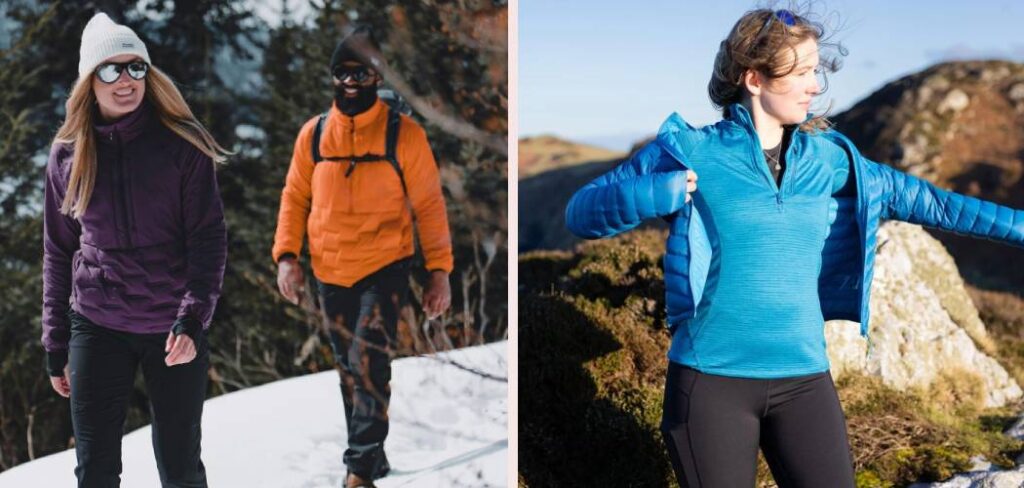
Now you need to bring in your heavy insulation to block the cold air effectively. This outer sweater should possess significant texture and weight to create a strong barrier. Chunky cable knits, thick wool cardigans, or heavy fleece pullovers serve this purpose beautifully.
The heavier sweater must offer a relaxed fit to accommodate the garments underneath it. You should be able to slide it on smoothly without dragging the sleeves of your inner layers up your arms. A slightly looser cut also creates a small pocket of air between the two sweaters, which serves as an additional insulating boundary against the cold environment.
Step 5 – Manage Your Sleeve Lengths
Bunches of fabric at your wrists cause intense frustration and limit your hand mobility. You need to arrange your sleeves so they lay flat and stay exactly where you want them. Pull the sleeves of your inner garments down firmly before putting on your outer garments.
Once all your garments are on, adjust the cuffs so they do not fight for space at your wrists. Some outdoor enthusiasts prefer to pull the base layer cuff slightly past the sweater cuffs to lock everything into place. Smooth out any twisted fabric along your forearms immediately. Taking thirty seconds to adjust your sleeves ensures you maintain full dexterity for outdoor tasks.
Step 6 – Regulate Your Core Temperature
Your environment will change, and your body heat will fluctuate based on your activity level. You must monitor your temperature actively and adjust your garments before you start sweating. The entire purpose of this system is to give you control over your thermal regulation.
If you feel yourself getting too warm, unzip your outer sweater or remove it entirely. Stash it in your pack until you stop moving and the chill returns. Anticipating your body’s needs prevents you from soaking your inner garments with sweat. Staying dry remains your most critical defense against freezing temperatures in the wilderness.
Step 7 – Protect Your Waistline Drafts
Cold air loves to sneak up your back when you bend over to adjust your boots or pitch a tent. You must secure your waistline to seal out these freezing drafts effectively. Tucking in your base layer stops wind from reaching your bare skin.
Leave your sweaters untucked to maintain a natural drape and allow for proper ventilation. Ensure your outer garments possess enough length to cover your belt line completely when you move around. A proper length prevents annoying cold spots from developing along your lower back. Small adjustments to your hem lines make a massive difference in your overall warmth retention.
Step 8 – Add a Weather-Resistant Shell
Your sweaters provide exceptional insulation, but they do not block harsh wind or heavy rain effectively. You need an external barrier to protect your carefully constructed insulating layers. A lightweight, windproof, and waterproof shell jacket finishes off your outdoor system.
Understanding the true secret of how to layer sweaters means recognizing the limits of knit fabrics. Wind easily cuts through yarn, stripping away the warm air you worked so hard to trap. A proper shell locks that heat inside and keeps precipitation away from your wool or fleece. Choose a jacket with ventilation zippers so you can dump excess heat quickly without removing the shell entirely.
Step 9 – Test Your Range of Motion
You must ensure your clothing allows you to perform necessary tasks comfortably. Stand up and move your arms in wide circles to test your mobility. Bend your elbows fully and reach up toward the sky.
If you feel severe pulling across your shoulders or tightness in your elbows, your system is too restrictive. You might need to swap a thick mid-layer for a thinner alternative to free up space. Outdoor activities require agility, and stiff, bulky clothing puts you at a severe disadvantage. Make sure you can comfortably swing an axe, cast a fishing line, or climb over a fallen log.
Step 10 – Evaluate and Adjust on the Fly
No clothing strategy works perfectly for every single situation or weather condition. You must remain adaptable and willing to change your setup as the day progresses. Pay attention to how different fabrics feel together and note what works best for your specific body.
Keep refining your combinations based on your personal experiences in the field. You might discover that you prefer a vest over a full cardigan, or that you need a heavier base layer for morning hikes. Building this skill takes practice and a willingness to tweak your approach. Trust your comfort levels and modify your outfit whenever the environment demands a shift.
Common Mistakes When Stacking Winter Garments
Many beginners ruin their outdoor experience by making easily preventable clothing errors. The most frequent mistake involves relying heavily on cotton garments. Wearing a cotton t-shirt under a thick wool sweater traps sweat directly against your skin, chilling your core rapidly as soon as you stop moving.
Another major error comes from choosing the wrong fits for consecutive garments. Shoving a thick, bulky pullover underneath a highly tailored cardigan restricts your movement and creates a lumpy, uncomfortable mess. You always want to progress from the thinnest, most form-fitting items near your skin to the thickest, loosest items on the outside.
People also forget to mix up their textures and fabrics. Wearing two identical heavy wool garments often causes intense friction, making it difficult to bend your arms or twist your torso. Finally, many beginners wait far too long to remove a garment when they start warming up. If you begin to sweat profusely because you refuse to take off your heavy outer piece, your base layers will soak through. Once those internal fabrics get wet, you will struggle to regain your warmth for the rest of the day.
Expert Tips for Optimal Warmth
Mastering this clothing strategy requires a deep appreciation for fabric properties. Experts prioritize merino wool because it manages moisture beautifully while naturally resisting odor-causing bacteria. This allows you to wear the same garment for multiple days on a camping trip without issue.
Always utilize garments with mechanical venting options like quarter-zips, full zippers, or button fronts for your middle and outer garments. These features allow you to release excess heat instantly without stopping to pull a piece over your head. Furthermore, pay close attention to the weight of your items. Two thin, densely woven garments often provide more warmth than one extremely thick, loosely knit garment. Finally, invest in seamless or flat-seam base garments to prevent chafing under the weight of your heavier outdoor gear.
Frequently Asked Questions
Can I wear a hoodie underneath a crewneck sweater?
You can, but it usually creates a bulky and uncomfortable fit around your neck. The thick hood bunches up underneath the crewneck collar, leading to tightness and restricted head movement. If you want to wear a hoodie, place it on the outside of your outfit as the final insulating piece before your jacket.
Does wearing multiple sweaters make you sweat too much?
It will only make you sweat excessively if you fail to remove pieces as your activity level increases. The purpose of this system is adjustability. You must proactively remove your heavy outer garments the moment you feel your body temperature rising to avoid overheating and sweating.
Are synthetic fabrics better than wool for insulation?
Both materials offer unique advantages for outdoor activities. High-quality synthetic fleece dries incredibly fast and feels very lightweight on your body. Merino wool retains its insulating properties even when damp and naturally fights odors. Many experts recommend mixing them, using a wool base and a synthetic fleece outer garment.
How tight should the base layer be?
Your base garment needs to fit snugly against your skin without restricting your circulation or breathing. If the fabric hangs loosely, it cannot pull moisture away from your pores effectively. Think of it as a comfortable second skin that moves naturally with your body throughout the day.
Can I layer three sweaters at the same time?
Wearing three sweaters usually restricts your mobility severely and creates unbearable bulk. You rarely need more than two insulating garments if you choose the right materials. A quality base top, a thin mid-weight knit, and a heavy outer fleece provide plenty of warmth for freezing conditions.
Conclusion
Staying warm and agile in the great outdoors fundamentally changes your wilderness experience. You no longer have to dread freezing mornings or struggle through sweaty, uncomfortable afternoon hikes. By starting with a moisture-wicking foundation, adding a fitted insulating piece, and finishing with a heavy, relaxed outer garment, you create a perfect thermal barrier.
Remember to prioritize your range of motion and always adapt your outfit to match your current activity level. Stop fighting the weather with a single massive coat and start utilizing a dynamic clothing system instead. Once you have fully mastered how to layer sweaters, you unlock a new level of confidence for all your outdoor adventures. Grab your favorite cold-weather gear, head outside, and enjoy the crisp air in total comfort.

About Caleb
Caleb Merritt is a Virginia-based outdoor writer and gear analyst who has spent over a decade sleeping on the ground, crossing mountain passes, and obsessively shaving grams off his pack weight. He holds a Bachelor of Science in Environmental Science from James Madison University, where he also served as president of the university’s outdoor recreation club. After graduating, he spent three years as a wilderness educator with a backcountry youth program in the Shenandoah Valley — teaching Leave No Trace ethics, backcountry navigation, and campcraft — before moving into full-time writing in 2018.
His work focuses on one core belief: the best gear is the gear you understand. Whether he’s doing a side-by-side weight comparison of ultralight shelters or writing a beginner’s guide to building a sub-20-lb base weight kit, Caleb writes with the same directness you’d expect from a trusted trail partner. He has logged more than 4,000 miles across iconic routes including the John Muir Trail, the Wind River Range, Vermont’s Long Trail, and the Collegiate Peaks Loop in Colorado.
Areas of Expertise
- Ultralight backpacking systems and base weight optimization
- Tent, tarp, and shelter testing across three-season and shoulder-season conditions
- Sleeping bag and quilt temperature rating verification
- Backpacking nutrition, meal planning, and calorie-per-ounce analysis
- Leave No Trace principles and wilderness ethics
- Campfire safety, bear country protocols, and water treatment methods
- Gear care, repair, and long-term durability assessment
Education
James Madison University — B.S. in Environmental Science, 2015
During his time at JMU, Caleb served as President of the Outdoor Recreation Club, where he planned and led more than 30 backcountry trips annually across the Blue Ridge Mountains and Appalachian Trail corridor. The role sharpened his ability to assess gear performance under real conditions, manage group safety in remote environments, and develop the kind of practical trail knowledge that no classroom can teach.
Professional Experience
Gear Writer & Senior Contributor — [campeox.com]
Produces in-depth gear reviews, buyer’s guides, and how-to content across backpacking, camping, and ultralight hiking categories. Tests all gear in real field conditions before publishing recommendations.
Wilderness Educator & Trip Leader — Shenandoah Backcountry Youth Program — 2015–2018 Led multi-day backcountry expeditions for teens and young adults throughout Shenandoah National Park and George Washington National Forest. Taught LNT principles, orienteering, first aid awareness, and campcraft fundamentals.
Outdoor Recreation Club President — James Madison University — 2013–2015 Organized and led university-sponsored hiking, backpacking, and camping trips in the Blue Ridge Mountains and Appalachian Trail corridor. Managed club budget, safety protocols, and trip logistics for a membership of 120+ students.
Editorial Standards
Every piece of gear Caleb recommends has been personally tested in the field — not just unboxed and described. His review process includes a minimum of two overnight trips per shelter, a full-season evaluation for sleep systems, and side-by-side comparisons wherever possible. He does not accept payment for positive reviews. Affiliate relationships, where they exist, are always disclosed in accordance with FTC guidelines.
All factual claims about gear specifications, trail distances, and safety recommendations are cross-referenced against manufacturer data sheets and established sources such as the Leave No Trace Center for Outdoor Ethics and the American Hiking Society before publication.