Cycling has experienced a massive surge in popularity recently. More people are hitting the pavement and trails for commuting, fitness, and eco-friendly transportation. Getting outside on two wheels offers an unmatched sense of freedom and a fantastic cardiovascular workout.
Stepping into a local bike shop or browsing an online retailer can feel incredibly overwhelming. You immediately face a wall of different styles, complex components, and wildly varying price points. Without a clear plan, you might end up with a ride that sits gathering dust in your garage.
This comprehensive bicycle buying guide will demystify the entire process for beginners and intermediate riders alike. You will learn how to assess your specific riding needs, set a realistic budget, understand basic bike anatomy, and master the art of proper bike selection and sizing.
Assess Your Riding Needs and Style
The most important step in choosing a bike is figuring out exactly where and how you want to ride. Your local terrain and primary goals will dictate the best category of bicycle for your lifestyle.
Paved Roads and City Streets
If your goal is to travel quickly on smooth pavement, road bikes are built for speed and aerodynamics. They feature lightweight frames, drop handlebars, and skinny tires. City and commuter bikes offer an upright riding position, making them practical and comfortable for short trips, grocery runs, or navigating busy urban traffic.
Off-Road and Trails
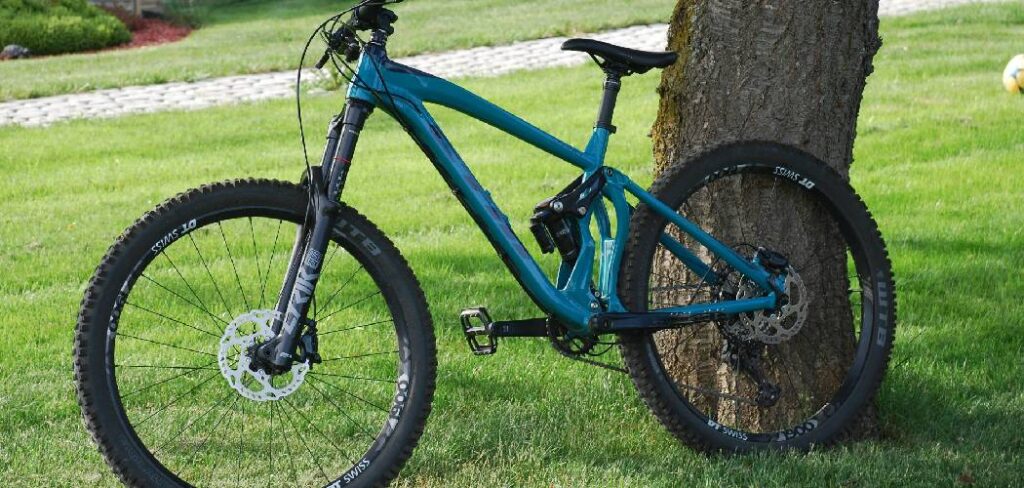
Mountain bikes dominate unpaved trails and rugged terrain. They feature flat handlebars, wide knobby tires, and suspension systems to absorb impacts. A hardtail mountain bike features front suspension only, keeping the bike lighter and more affordable. A full-suspension mountain bike includes both front and rear shocks to handle aggressive downhill trails and large drops.
Mixed Terrain
Hybrid bikes offer a comfortable mix of road and mountain bike features. They usually have flat handlebars and medium-width tires, making them ideal for casual neighborhood rides or crushed gravel paths. Gravel bikes look like road bikes with drop bars, but they boast wider, knobby tires and stable geometry designed for exploring dirt roads and long backcountry routes.
Electric Bikes (E-Bikes)
Pedal-assist technology is revolutionizing cycling. E-bikes feature a battery and motor that provide a boost while you pedal, making hilly commutes and long distances accessible to everyone. They are an excellent replacement for a car, allowing you to arrive at work without breaking a sweat.
Types of Bikes
- Road Bikes
Designed for speed and efficiency on paved roads with drop handlebars, lightweight frames, and narrow tires. Subtypes: endurance (comfort-focused), aero (wind-cutting), racing. Ideal for fitness, commuting, or group rides on smooth tarmac.
- Mountain Bikes (MTB)
Built for off-road trails with suspension (hardtail front-only or full-suspension), wide knobby tires, and durable frames. Subtypes: cross-country, trail, downhill. Great for rough terrain, gravel, or light Khulna paths. - Hybrid/Commuter Bikes
Versatile blend of road speed and MTB comfort: flat bars, upright posture, medium tires. Perfect for city streets, paths, or daily errands—low maintenance for beginners.
- Gravel Bikes
Adventure-ready with drop bars, wider tire clearance for mixed surfaces (pavement to dirt). Evolved from cyclocross; suits exploration beyond roads. - Electric Bikes (E-Bikes)
Pedal-assist motors on various bases (hybrid, MTB, road). Boosts range/effort for hills or long rides; 2026 models emphasize lighter batteries. - Cruiser/Comfort Bikes
Relaxed upright seating, wide tires, simple gears for leisure on beaches or flat pavement. Stylish, easy for casual rides. - Folding Bikes
Compact foldable frames for urban storage/public transport. Narrow tires for paved paths; portable for commuters. - Cargo/Utility Bikes
Heavy-duty for loads/passengers with racks, boxes, or trailers. Includes e-cargo; replaces cars for shopping/family hauls. - Specialty Types
- Touring: Luggage-ready for long trips.
- Fat Bikes: Extra-wide tires for snow/sand.
- BMX: Stunts/tricks.
- Recumbent: Laid-back posture for back relief.
- Tandem: For two riders.
Understand Bike Types and Terrain Matching
Detailed comparison table of types:
| Bike type | Best for | Key features | Pros | Cons |
| Hybrid | Paths, commuting, casual rides | Upright riding position, flat bars, versatile tires | Comfortable, easy to control, works well on mixed surfaces | Not as fast as a road bike on smooth pavement rei+1 |
| Road | Pavement, fitness, long-distance riding | Drop bars, lightweight frame, narrow tires | Fast, efficient, good for speed and endurance | Less comfortable on rough roads and trails canyon+1 |
| Mountain | Trails, rough roads, off-road riding | Suspension, wide tires, strong frame, powerful brakes | Rugged, stable, handles bumps and dirt well | Heavier and slower on pavement edinburghbicycle+1 |
| Gravel | Mixed surfaces, adventure rides | Wide tire clearance, stable geometry, drop bars | Very versatile, good on road and light off-road | More expensive and less specialized than road or MTB bikes canyon+1 |
| E-bike | Hills, long rides, commuting | Motor assist, battery, multiple frame styles | Makes riding easier, extends range, helps on hills | Higher price, heavier weight, battery upkeep rei+1 |
Set a Realistic Budget
Knowing how much to spend helps narrow down your choices quickly. Different price tiers offer varying levels of durability, weight, and component quality. Remember to budget an extra $100 to $200 for essential accessories like a high-quality helmet, a secure U-lock, bright lights, and a floor pump.
Under $500 (Entry-Level)
This price range is great for casual, weekend riders who stick to flat bike paths. You can expect heavier frames, often made of high-tensile steel, and basic rim brakes. Buying a used bike is an excellent strategy in this tier to get better value and upgraded components for your money.
$500 to $1,500 (Enthusiast)
This sweet spot offers significant performance upgrades. You will find lighter aluminum frames, reliable disc brakes, and smoother suspension components. Bicycles in this range are perfect for regular commuters, fitness riders, and anyone looking to tackle local trails with confidence.
$1,500 and Up (High-Performance)
Premium features define this high-end category. You can expect ultra-light carbon fiber frames, electronic wireless shifting, and advanced hydraulic disc brakes. These machines cater to competitive racers, long-distance touring cyclists, and dedicated enthusiasts who demand top-tier performance.
Anatomy of a Bike: Choosing the Right Components
Understanding a few key bicycle components will help you make informed decisions and speak confidently with shop mechanics.
Frame Materials
The frame is the heart of your bicycle. Aluminum is affordable, lightweight, and rust-resistant, making it the most popular choice for modern bikes. Steel offers exceptional durability and a highly sought-after smooth ride quality, though it is noticeably heavier. Carbon fiber is ultra-light and incredibly stiff, but it commands a premium price tag.
Brakes
Traditional rim brakes grip the edge of the wheel to slow you down. They are cheaper, lighter, and easier to maintain at home. Modern disc brakes grip a metal rotor attached to the wheel hub. They provide superior stopping power and consistent performance, especially in wet or muddy conditions.
Gears and Drivetrains
Your gearing determines how easily you can pedal up steep inclines. Hilly areas require a wider gear range with multiple chainrings in the front and a large cassette in the back. Flat city riding might only require a single-speed setup or a simple, low-maintenance 3-speed internal hub.
The Importance of Proper Sizing and Fit
Finding the right style and price is useless if the bike does not fit properly. A poor fit leads to neck pain, knee discomfort, and potential injury. You can find the right frame size using your overall height and inseam measurements, which correspond to manufacturer sizing charts.
Standover Height
This is the clearance between your body and the top tube when standing flat-footed over the bike. You need at least one to two inches of clearance on a road bike, and two to four inches on a mountain bike, to ensure you can dismount safely.
Reach
Reach is the distance from the saddle to the handlebars. It dictates how stretched out your torso and arms will be while riding. A reach that is too long will cause lower back pain, while a cramped reach can make the bike feel twitchy and unstable. Take the bike for a test ride at a local shop to fine-tune the saddle height and handlebar position.
Hit the Road: Your Next Steps
Choosing the perfect bicycle comes down to a few critical choices. Determine your primary riding style, stick to a realistic budget, choose the appropriate components, and prioritize a perfect fit above all else.
Visit your local bike shop for a test ride to feel the difference between various models firsthand. A good mechanic will gladly adjust the saddle and handlebars to match your body geometry.
Drop a comment below to share your new bike purchases, and subscribe to our newsletter for upcoming maintenance guides and local trail recommendations.
Read More: How To Replace A Tube On A Bike
Common Bike Buying Mistakes To Avoid
Here are the most common bike buying mistakes beginners make—and how to avoid them for a smarter purchase.
- Choosing the Wrong Bike Type for Your Needs
Many pick flashy mountain bikes for casual city rides or road bikes for trails, leading to frustration.
Avoid it: Match to terrain (paved = hybrid/road; off-road = mountain/gravel) and purpose (commute vs. fitness). Use a quick quiz: List your top 3 rides first. - Ignoring Proper Sizing and Fit
Buying too big/small causes pain, poor control, and injury—standover height should clear by 2 inches, reach comfortable. Brands vary wildly (e.g., “52cm” differs).
Avoid it: Check height charts, measure inseam/stack/reach, test ride 20+ mins. Get a pro fit at a shop. - Focusing Only on Price, Not Value
Grabbing the cheapest ($300 bargain) skips quality components (brakes, gears) and longevity, or overspending on unused tech like full suspension.
Avoid it: Budget tiers realistically ($500-$1500 for most); prioritize frame material (aluminum entry) and test future-proofing. - Skipping Test Rides or Buying Blind Online
No ride = missing handling quirks; online “deals” risk wrong fit without returns.
Avoid it: Test on real terrain, compare 3+ bikes. Inspect used for rust/wear; research seller history. - Overlooking Components and Accessories
Flashy derailleurs hide cheap shifters/brakes; forgetting helmet, lock, lights adds costs. Ignoring maintenance support dooms longevity.
Avoid it: Evaluate disc brakes, gearing (e.g., 1x simplicity), tire type. Factor 20% extra budget for gear/service. - Being Swayed by Looks or Trends Alone
Style trumps function, leading to uncomfortable upright cruisers for speed or heavy e-bikes unnecessarily.
Avoid it: Prioritize ergonomics over color; adapt to local Khulna roads (potholes need sturdy hybrids).
Key Takeaways
● Fit and purpose trump all—test everything.
● Avoid impulse: Research, ride, budget holistically.
● Saves regret, cash, and injury for joyful rides.

About Caleb
Caleb Merritt is a Virginia-based outdoor writer and gear analyst who has spent over a decade sleeping on the ground, crossing mountain passes, and obsessively shaving grams off his pack weight. He holds a Bachelor of Science in Environmental Science from James Madison University, where he also served as president of the university’s outdoor recreation club. After graduating, he spent three years as a wilderness educator with a backcountry youth program in the Shenandoah Valley — teaching Leave No Trace ethics, backcountry navigation, and campcraft — before moving into full-time writing in 2018.
His work focuses on one core belief: the best gear is the gear you understand. Whether he’s doing a side-by-side weight comparison of ultralight shelters or writing a beginner’s guide to building a sub-20-lb base weight kit, Caleb writes with the same directness you’d expect from a trusted trail partner. He has logged more than 4,000 miles across iconic routes including the John Muir Trail, the Wind River Range, Vermont’s Long Trail, and the Collegiate Peaks Loop in Colorado.
Areas of Expertise
- Ultralight backpacking systems and base weight optimization
- Tent, tarp, and shelter testing across three-season and shoulder-season conditions
- Sleeping bag and quilt temperature rating verification
- Backpacking nutrition, meal planning, and calorie-per-ounce analysis
- Leave No Trace principles and wilderness ethics
- Campfire safety, bear country protocols, and water treatment methods
- Gear care, repair, and long-term durability assessment
Education
James Madison University — B.S. in Environmental Science, 2015
During his time at JMU, Caleb served as President of the Outdoor Recreation Club, where he planned and led more than 30 backcountry trips annually across the Blue Ridge Mountains and Appalachian Trail corridor. The role sharpened his ability to assess gear performance under real conditions, manage group safety in remote environments, and develop the kind of practical trail knowledge that no classroom can teach.
Professional Experience
Gear Writer & Senior Contributor — [campeox.com]
Produces in-depth gear reviews, buyer’s guides, and how-to content across backpacking, camping, and ultralight hiking categories. Tests all gear in real field conditions before publishing recommendations.
Wilderness Educator & Trip Leader — Shenandoah Backcountry Youth Program — 2015–2018 Led multi-day backcountry expeditions for teens and young adults throughout Shenandoah National Park and George Washington National Forest. Taught LNT principles, orienteering, first aid awareness, and campcraft fundamentals.
Outdoor Recreation Club President — James Madison University — 2013–2015 Organized and led university-sponsored hiking, backpacking, and camping trips in the Blue Ridge Mountains and Appalachian Trail corridor. Managed club budget, safety protocols, and trip logistics for a membership of 120+ students.
Editorial Standards
Every piece of gear Caleb recommends has been personally tested in the field — not just unboxed and described. His review process includes a minimum of two overnight trips per shelter, a full-season evaluation for sleep systems, and side-by-side comparisons wherever possible. He does not accept payment for positive reviews. Affiliate relationships, where they exist, are always disclosed in accordance with FTC guidelines.
All factual claims about gear specifications, trail distances, and safety recommendations are cross-referenced against manufacturer data sheets and established sources such as the Leave No Trace Center for Outdoor Ethics and the American Hiking Society before publication.