Every cyclist eventually hears that dreaded squeak or feels the gritty, slipping sensation of a worn-out drivetrain. You press down on the pedals, expecting smooth acceleration, but instead, you get a jarring clunk. This signifies that your bike needs immediate maintenance. Learning how to replace a bicycle chain saves you money and prevents severe damage to your expensive cassettes and chainrings.
Mastering this mechanical skill empowers you to handle roadside emergencies with total confidence. You will stop relying on busy bike shops for basic maintenance tasks. By following the detailed instructions below, you will keep your drivetrain running quietly and smoothly. Read on to discover the exact methods professional mechanics use to swap out chains efficiently.
Why Learning to Replace a Chain is Vital for Outdoor Enthusiasts
A stretched or damaged drivetrain component degrades your entire riding experience. When metal links wear down over hundreds of miles, they no longer fit perfectly into the teeth of your gears. This mismatch creates intense friction, wearing down the expensive metal cogs on your rear wheel.
Replacing the links at the right time ensures your gears shift flawlessly. You will feel a satisfying, crisp click every time you change gears on a steep climb. Ignoring this maintenance leads to sudden snapping, which often leaves riders stranded miles from home. Taking control of this process guarantees your equipment remains reliable during your most demanding outdoor adventures.
Tools and Materials You’ll Need
- A new, compatible bicycle chain (matching your drivetrain speeds)
- A chain breaker tool
- Quick-link pliers (optional but highly recommended)
- A specialized wear indicator tool
- Heavy-duty shop rags or old towels
- High-quality bicycle degreaser
- Purpose-made bicycle chain lubricant
- Disposable mechanic gloves
Step-by-Step Guide on How to Replace a Bicycle Chain
Step 1: Shift the Gears to the Smallest Cogs
Start by moving your bike into a stable position, preferably securing it in a heavy-duty repair stand. You need free access to the drivetrain without the bike wobbling around. Shift your front derailleur to the smallest chainring.
Next, click your rear shifter until the chain drops down to the smallest cog on the cassette. This specific gear combination releases the maximum amount of tension from the rear derailleur. A slack drivetrain makes removing the old metal significantly easier and safer for your hands.
Step 2: Locate the Quick Link or Connecting Pin
Run your fingers along the greasy metal links, scanning for a unique segment. Modern drivetrains usually feature a master link, which looks slightly different from the rest of the standardized plates. You will notice a small slotted hole on the side plate of this specific connection point.
If you ride an older or specialized model, you might find a solid connecting pin instead. Wipe away the grimy black sludge with a shop rag to get a clear view of the hardware. Identifying this connection type dictates how you will separate the metal plates in the next step.
Step 3: Break the Old Connections
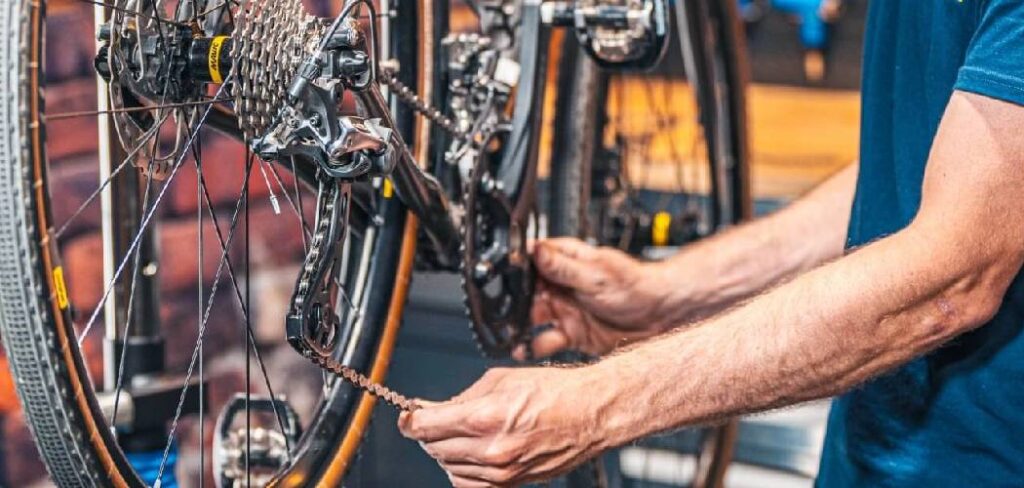
Grab your specialized pliers and insert the metal tips into the rollers on either side of the master link. Squeeze the handles together firmly to slide the side plates in opposite directions. You will hear a sharp click as the locking mechanism disengages.
If you face a traditional solid pin, seat the link firmly into the cradle of your breaker tool. Turn the handle slowly until the driving pin pushes the metal cylinder completely out of the plates. Carefully pull the disconnected ends apart and guide the greasy metal out of the derailleurs.
Step 4: Clean the Drivetrain Components
Removing the old metal gives you unrestricted access to your cassette, chainrings, and derailleur pulleys. Spray a generous amount of degreaser onto a clean shop rag. Vigorously wipe down the teeth on every cog, removing the gritty mixture of dirt and old oil.
You should see the original silver or black finish of the metal shining through. Scrape away any stubborn, hardened sludge from the small plastic pulley wheels. A clean environment ensures your new equipment does not immediately become contaminated with abrasive debris.
Step 5: Determine the Correct Length for the New Metal
Knowing the proper length is a crucial aspect of this repair process. Lay your dirty, stretched equipment flat on a workbench right next to your brand-new replacement. Because the old metal has stretched, align them link-by-link rather than just measuring the overall length.
Count the exact number of rollers on the old unit to match the new one perfectly. Alternatively, wrap the new metal around the largest front ring and largest rear cog without passing it through the derailleur. Add two full links to this measurement to find your perfect length. This specific measuring technique ensures you understand the core mechanics of the task.
Step 6: Cut the New Equipment to Size
Once you determine the precise length, grab your breaker tool again. Seat the specific link you need to remove securely into the metal cradle of the tool. Rotate the handle steadily to push the connecting pin out of the plate.
You will feel a distinct pop as the pin pushes through the outer plate. Remove the excess links and set them aside for future emergency repairs. You now hold a perfectly sized piece of equipment ready for installation.
Step 7: Thread the Metal Through the Derailleurs
Take one end of your fresh, clean metal and drop it over the smallest cog on your rear cassette. Guide the end down toward the rear derailleur, threading it in front of the upper jockey wheel. Route it behind the small metal tab in the derailleur cage, then wrap it around the lower pulley wheel.
Pull the slack toward the front of the bike and drape it over your smallest front chainring. Double-check the routing to ensure the metal does not rub against any structural tabs on the derailleur cage. The path should look like a smooth, unobstructed S-shape.
Step 8: Connect the Ends
Pull the two loose ends together between the lower pulley wheel and the front chainring. Insert the two halves of your new master link into the empty rollers on each end. Snap the opposing plates together so the pins sit loosely in the slotted holes.
Knowing how to properly secure these plates is the most critical part of learning how to replace a bicycle chain safely. Rotate the pedals backward until the master link sits on the top section of the drivetrain, above the chainstay. Hold the rear wheel firmly with one hand and press down hard on the pedal with the other to lock the connection.
Step 9: Apply High-Quality Lubricant
Your new equipment comes with a sticky factory grease that protects it during shipping, but it requires proper lubrication for riding. Grab your bottle of specialized lubricant and gently rotate the pedals backward. Apply exactly one drop of liquid to the top of each individual roller as they pass by.
Take your time and ensure you hit every single link without flooding the side plates. Let the liquid soak into the internal pins for about five minutes. Wipe the outside of the plates completely dry with a clean rag to prevent dirt accumulation.
Step 10: Test the Shifting Performance
Lift the rear wheel off the ground using your repair stand or a willing assistant. Turn the pedals forward at a steady pace and click through your rear gears one by one. The shifting should feel instantaneous and sound practically silent.
Shift into the largest cogs to verify you left enough length to handle maximum tension. Drop it back down into the smallest gears to ensure the derailleur maintains proper tension without sagging. You have successfully restored your bike to peak mechanical condition.
Common Mistakes When Replacing a Bicycle Chain
Many beginners route the metal incorrectly through the rear derailleur cage. They accidentally pass it over the small retaining tab instead of under it. This mistake creates a terrible grinding noise as the metal aggressively saws into the aluminum tab. Always verify your routing path before you lock the connecting plates together.
Another frequent error involves measuring the length incorrectly. Riders often cut the new equipment too short, which can violently rip the rear derailleur off the frame during a steep climb. Always double-check your link count before driving the pin out with your tool. Taking an extra minute to verify your measurements prevents catastrophic mechanical failures.
Expert Tips
Professional mechanics always replace their cables and housing when they overhaul a drivetrain. Fresh shift cables guarantee the derailleurs move precisely, complementing your newly installed equipment. You should also inspect the teeth on your rear cassette for sharp, shark-fin shapes. If the teeth look pointy, you must replace the cassette simultaneously to prevent skipping under heavy pedaling loads.
Always keep the leftover links you cut during the sizing process. Toss them into your saddlebag along with a spare master link for emergency trailside repairs. Clean your drivetrain after every wet or muddy ride to dramatically extend the lifespan of these expensive components. A simple wipe-down with a dry rag prevents surface rust from forming overnight.
Frequently Asked Questions
How often should I perform this maintenance task?
You should measure your drivetrain wear every 1,000 miles using a specialized drop-in gauge. Most riders need to swap out the metal between 1,500 and 2,000 miles, depending on their riding conditions. Riding in gritty, muddy environments drastically accelerates the wear rate.
Can I mix different brands of drivetrain components?
You generally want to stick with the same brand for optimal shifting performance. However, specialized aftermarket companies produce excellent compatible options. You must ensure you buy equipment rated for the exact number of speeds on your rear cassette.
Do I need to clean the factory grease off a new unit?
You do not need to strip the factory grease completely, as it provides excellent internal lubrication. Simply wipe the sticky residue off the outer plates with a lightly degreased rag. Apply your preferred liquid lubricant directly over the rollers after installation.
Conclusion
Taking charge of your own bike maintenance fundamentally transforms your relationship with cycling. You now possess the mechanical knowledge to keep your equipment running smoothly, quietly, and efficiently. Regular maintenance prevents premature wear and saves you hundreds of dollars in bike shop labor fees over time.
Do not wait until your drivetrain slips under pressure to check for stretched components. Grab your tools, inspect your equipment today, and apply the exact steps you just learned. Understanding how to replace a bicycle chain empowers you to ride further, push harder, and enjoy every single mile with absolute confidence.

About Caleb
Caleb Merritt is a Virginia-based outdoor writer and gear analyst who has spent over a decade sleeping on the ground, crossing mountain passes, and obsessively shaving grams off his pack weight. He holds a Bachelor of Science in Environmental Science from James Madison University, where he also served as president of the university’s outdoor recreation club. After graduating, he spent three years as a wilderness educator with a backcountry youth program in the Shenandoah Valley — teaching Leave No Trace ethics, backcountry navigation, and campcraft — before moving into full-time writing in 2018.
His work focuses on one core belief: the best gear is the gear you understand. Whether he’s doing a side-by-side weight comparison of ultralight shelters or writing a beginner’s guide to building a sub-20-lb base weight kit, Caleb writes with the same directness you’d expect from a trusted trail partner. He has logged more than 4,000 miles across iconic routes including the John Muir Trail, the Wind River Range, Vermont’s Long Trail, and the Collegiate Peaks Loop in Colorado.
Areas of Expertise
- Ultralight backpacking systems and base weight optimization
- Tent, tarp, and shelter testing across three-season and shoulder-season conditions
- Sleeping bag and quilt temperature rating verification
- Backpacking nutrition, meal planning, and calorie-per-ounce analysis
- Leave No Trace principles and wilderness ethics
- Campfire safety, bear country protocols, and water treatment methods
- Gear care, repair, and long-term durability assessment
Education
James Madison University — B.S. in Environmental Science, 2015
During his time at JMU, Caleb served as President of the Outdoor Recreation Club, where he planned and led more than 30 backcountry trips annually across the Blue Ridge Mountains and Appalachian Trail corridor. The role sharpened his ability to assess gear performance under real conditions, manage group safety in remote environments, and develop the kind of practical trail knowledge that no classroom can teach.
Professional Experience
Gear Writer & Senior Contributor — [campeox.com]
Produces in-depth gear reviews, buyer’s guides, and how-to content across backpacking, camping, and ultralight hiking categories. Tests all gear in real field conditions before publishing recommendations.
Wilderness Educator & Trip Leader — Shenandoah Backcountry Youth Program — 2015–2018 Led multi-day backcountry expeditions for teens and young adults throughout Shenandoah National Park and George Washington National Forest. Taught LNT principles, orienteering, first aid awareness, and campcraft fundamentals.
Outdoor Recreation Club President — James Madison University — 2013–2015 Organized and led university-sponsored hiking, backpacking, and camping trips in the Blue Ridge Mountains and Appalachian Trail corridor. Managed club budget, safety protocols, and trip logistics for a membership of 120+ students.
Editorial Standards
Every piece of gear Caleb recommends has been personally tested in the field — not just unboxed and described. His review process includes a minimum of two overnight trips per shelter, a full-season evaluation for sleep systems, and side-by-side comparisons wherever possible. He does not accept payment for positive reviews. Affiliate relationships, where they exist, are always disclosed in accordance with FTC guidelines.
All factual claims about gear specifications, trail distances, and safety recommendations are cross-referenced against manufacturer data sheets and established sources such as the Leave No Trace Center for Outdoor Ethics and the American Hiking Society before publication.