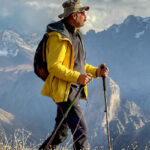
Hitting the trail requires more than just a good pair of boots. If you want to protect your knees, improve your balance, and conquer steep inclines with confidence, you need the right gear in your hands. But with so many materials, grips, and locking mechanisms on the market, finding the right fit can feel overwhelming for beginners.
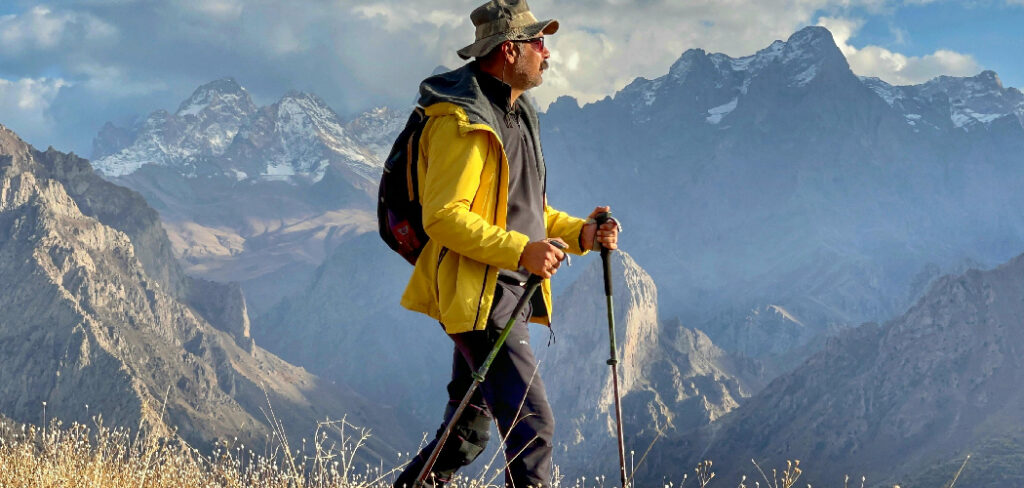
Do not worry. We have put together this straightforward guide on how to choose hiking poles so you can hit the trail with absolute confidence. Whether you are planning a weekend camping trip or a massive travel adventure across rugged terrain, having the right support makes all the difference. We will walk you through everything from sizing to strap adjustments. Grab your backpack, and let us dive into the details.
Why You Need Reliable Trekking Support on the Trail
You might be wondering why investing in extra trail gear matters so much. When you spend hours walking on uneven ground, your lower body takes a massive pounding. Adding a pair of sticks shifts a significant amount of that weight to your arms and shoulders. This full-body engagement helps you maintain a steady rhythm while significantly reducing joint fatigue.
Beyond saving your knees during steep descents, they also act as safety tools. They provide two extra points of contact when you cross slippery streams or navigate loose gravel. For campers and travelers carrying heavy backpacks, this added stability prevents dangerous falls. Ultimately, picking the right gear transforms a grueling hike into an enjoyable, manageable adventure.
8 Step-By-Step Guide on How to Choose Hiking Poles
Step 1: Understand Your Terrain and Needs
Before looking at specific models, you must think about where you plan to travel. Campers tackling flat, well-maintained paths will need entirely different gear than those scrambling over rocky, alpine environments. Consider whether you do mostly day trips with a light daypack or multi-day excursions carrying heavy loads. Heavy packers need sturdy, rigid support to maintain balance, while fast-paced walkers might prefer ultra-lightweight options. Take a moment to write down your most frequent outdoor environments. This simple evaluation narrows down your options immediately, saving you time and money. Identifying your primary activity ensures you buy a product built specifically for your unique outdoor lifestyle.
Step 2: Select the Right Shaft Material
The shaft material dictates both the weight and durability of your gear. Aluminum represents the most popular choice for beginners because it offers incredible durability at a highly accessible price point. When an aluminum shaft takes a hard hit against a rock, it might bend, but it rarely snaps. Carbon fiber serves as the premium alternative, favored by travelers who count every single ounce. Carbon absorbs vibration beautifully but remains vulnerable to snapping if placed under extreme side pressure. Assess your budget and your tendency to be rough on your equipment before picking between resilient aluminum and featherweight carbon fiber.
Step 3: Determine the Ideal Pole Length
Getting the length right is absolutely crucial for maintaining proper ergonomics while walking. When you hold the grips with the tips resting firmly on the ground, your elbows should form a perfect ninety-degree angle. Most modern options feature adjustable shafts, allowing you to fine-tune this height perfectly. You will want to shorten them slightly when walking uphill to prevent shoulder strain. Conversely, lengthening them during steep descents gives you better reach and takes the pressure off your knees. If you opt for a fixed-length model, you must measure your height carefully before purchasing to guarantee that ninety-degree elbow position.
Step 4: Pick a Comfortable Grip Material
Your hands will hold these grips for hours, making the material choice a vital comfort factor. Cork remains the ultimate favorite among seasoned trekkers because it actually molds to the shape of your hands over time. It also resists moisture brilliantly, which prevents blisters during sweaty summer trips. Foam provides an excellent, soft alternative that absorbs sweat well and feels warmer during cold-weather excursions. Rubber grips work wonderfully for freezing conditions since they insulate your hands from the cold air. However, rubber tends to chafe bare skin during hot summer walks, so save those specifically for winter expeditions.
Step 5: Decide on the Best Locking Mechanism
Because adjustable gear consists of overlapping sections, the locking mechanism keeps everything secure. Lever locks use an external clamp to hold the sections together. Beginners generally prefer lever locks because they are incredibly easy to adjust, even if you are wearing thick winter gloves. Twist locks operate internally, requiring you to twist the shaft sections in opposite directions to tighten them. While twist locks offer a very sleek profile that will not snag on trail brush, they can sometimes jam if dirt gets inside. Test the mechanisms in the store to ensure you can operate them smoothly without any excessive frustration.
Step 6: Consider the Shock Absorption Features
Some models come equipped with internal springs designed to absorb the impact each time the tip strikes the ground. This shock absorption feature offers incredible relief for anyone dealing with sensitive wrists, elbows, or shoulder joints. When you carry a heavy backpack during a long camping trip, that extra cushion makes a noticeable difference. However, these internal springs add both weight and complexity to the gear. The feature also costs a bit more and can occasionally squeak. If you have healthy joints and prefer a rigid, highly predictable plant, you can easily skip this feature and save some money.
Step 7: Examine the Baskets and Tips
Look closely at the bottom of the equipment where it meets the dirt. The tips are usually made of carbide or steel, providing excellent traction on ice and bare rock. Most models come with small trekking baskets just above the tip, which prevent the gear from sinking too deeply into mud or soft dirt. If you plan to travel through deep snow, you will need to purchase wider snow baskets. Additionally, many brands include rubber tip protectors. You should always use these rubber covers when walking on asphalt or concrete to prevent the metal tips from wearing down prematurely.
Step 8: Factor in the Weight and Packability
When planning out an extensive travel itinerary, you must consider how easily your gear packs away. Telescoping designs collapse into themselves, usually shrinking down to about twenty-four inches. These fit easily onto the outside of most backpacks. Folding designs operate similarly to tent poles, breaking down into three small sections connected by an internal tension cord. These foldable models can easily stash inside your luggage, making them ideal for airplane travel. Ultimately, knowing how to choose hiking poles means finding the perfect balance between trail performance and transit convenience for your specific travel plans.
Frequently Asked Questions (FAQ)
Do I Really Need Two Poles, Or Is One Enough?
While using a single walking stick offers some extra balance, using two provides maximum stability and full-body benefits. Two poles allow you to establish a consistent, natural walking rhythm while distributing the workload evenly across both sides of your upper body. We strongly recommend using a pair for long camping trips to prevent asymmetrical muscle fatigue.
How Can I Stop My Hands From Blistering?
Blisters usually form due to improper strap usage or holding the grips too tightly.
- Always insert your hand up through the bottom of the strap.
- Let the strap rest across the back of your wrist.
- Maintain a relaxed, loose grip rather than a tight fist.
Choosing cork grips also significantly reduces friction and sweat buildup on long travel days.
Can I Bring My Gear On An Airplane?
The Transportation Security Administration (TSA) strictly prohibits this type of equipment in your carry-on bags. Because the carbide tips are considered dangerous, you must pack them securely in your checked luggage. If you are flying to your next travel destination, foldable models are highly recommended since they easily fit into standard checked suitcases.
How Do I Clean And Maintain My Equipment?
Proper maintenance extends the life of your gear significantly.
- Pull the shaft sections completely apart after a muddy or wet trip.
- Wipe down each section with a clean, dry cloth.
- Allow all parts to air dry completely before reassembling them.
Never use oil or lubricants on the locking mechanisms, as this causes them to slip during use.
Are Women-Specific Models Actually Different?
Yes, women-specific models are designed with distinct ergonomic differences rather than just alternative colors. They typically feature smaller grip diameters that better accommodate smaller hands, reducing grip fatigue. Additionally, they generally have a shorter maximum length and weigh slightly less. However, anyone with smaller hands or a shorter stature can comfortably use these specific models regardless of gender.
Conclusion
Getting out into nature is one of the most rewarding ways to spend your time, but protecting your body while doing it should always be a top priority. By taking the time to understand your specific terrain needs, evaluating shaft materials, and dialing in the perfect grip and length, you set yourself up for absolute success. Quality gear transforms steep mountains and rocky paths into highly accessible adventures.
Now that you know exactly how to choose hiking poles, it is time to put this knowledge to the test. Head to your local outdoor retailer, grab a few pairs, and see how the grips feel in your hands. Equip yourself properly, plan that dream camping trip, and hit the trails with newly found confidence and support!

About Caleb
Caleb Merritt is a Virginia-based outdoor writer and gear analyst who has spent over a decade sleeping on the ground, crossing mountain passes, and obsessively shaving grams off his pack weight. He holds a Bachelor of Science in Environmental Science from James Madison University, where he also served as president of the university’s outdoor recreation club. After graduating, he spent three years as a wilderness educator with a backcountry youth program in the Shenandoah Valley — teaching Leave No Trace ethics, backcountry navigation, and campcraft — before moving into full-time writing in 2018.
His work focuses on one core belief: the best gear is the gear you understand. Whether he’s doing a side-by-side weight comparison of ultralight shelters or writing a beginner’s guide to building a sub-20-lb base weight kit, Caleb writes with the same directness you’d expect from a trusted trail partner. He has logged more than 4,000 miles across iconic routes including the John Muir Trail, the Wind River Range, Vermont’s Long Trail, and the Collegiate Peaks Loop in Colorado.
Areas of Expertise
- Ultralight backpacking systems and base weight optimization
- Tent, tarp, and shelter testing across three-season and shoulder-season conditions
- Sleeping bag and quilt temperature rating verification
- Backpacking nutrition, meal planning, and calorie-per-ounce analysis
- Leave No Trace principles and wilderness ethics
- Campfire safety, bear country protocols, and water treatment methods
- Gear care, repair, and long-term durability assessment
Education
James Madison University — B.S. in Environmental Science, 2015
During his time at JMU, Caleb served as President of the Outdoor Recreation Club, where he planned and led more than 30 backcountry trips annually across the Blue Ridge Mountains and Appalachian Trail corridor. The role sharpened his ability to assess gear performance under real conditions, manage group safety in remote environments, and develop the kind of practical trail knowledge that no classroom can teach.
Professional Experience
Gear Writer & Senior Contributor — [campeox.com]
Produces in-depth gear reviews, buyer’s guides, and how-to content across backpacking, camping, and ultralight hiking categories. Tests all gear in real field conditions before publishing recommendations.
Wilderness Educator & Trip Leader — Shenandoah Backcountry Youth Program — 2015–2018 Led multi-day backcountry expeditions for teens and young adults throughout Shenandoah National Park and George Washington National Forest. Taught LNT principles, orienteering, first aid awareness, and campcraft fundamentals.
Outdoor Recreation Club President — James Madison University — 2013–2015 Organized and led university-sponsored hiking, backpacking, and camping trips in the Blue Ridge Mountains and Appalachian Trail corridor. Managed club budget, safety protocols, and trip logistics for a membership of 120+ students.
Editorial Standards
Every piece of gear Caleb recommends has been personally tested in the field — not just unboxed and described. His review process includes a minimum of two overnight trips per shelter, a full-season evaluation for sleep systems, and side-by-side comparisons wherever possible. He does not accept payment for positive reviews. Affiliate relationships, where they exist, are always disclosed in accordance with FTC guidelines.
All factual claims about gear specifications, trail distances, and safety recommendations are cross-referenced against manufacturer data sheets and established sources such as the Leave No Trace Center for Outdoor Ethics and the American Hiking Society before publication.