You just returned from a long ride, and your electric bike is completely out of juice. Knowing the right process ensures your power source lasts for years. If you want to know how to recharge bike battery safely and effectively, you are in the right place. Taking care of your equipment requires a little patience, but the routine becomes second nature after a few tries. We will walk through the exact process you need to follow. You will learn the best practices for handling the charger, managing temperatures, and maximizing the overall lifespan of your power unit.
Why Learning to Recharge Your Bike Battery Matters for Outdoor Enthusiasts
Your electric bicycle gives you the freedom to explore rugged trails and distant country roads. That freedom disappears instantly if your power source fails mid-ride. Understanding the charging process prevents those frustrating moments where you have to pedal a heavy electric bicycle uphill without any motor assistance.
Proper maintenance directly impacts how far you can ride on a single charge. When you follow the right routine, you protect the internal cells from premature degradation. This saves you money because replacement units are quite expensive. Taking a few extra minutes to handle the power pack correctly ensures you are always ready for your next weekend adventure or daily commute.
Tools and Materials You’ll Need
Before you start the process, gather a few essential items to ensure everything goes smoothly. You obviously need your power unit and the original charging cable provided by the manufacturer. Using third-party cables often leads to overheating or voltage irregularities. You also need access to a standard, grounded wall outlet in a dry, temperature-controlled environment.
Keep a clean, dry microfiber cloth nearby to wipe down the connection ports before you plug anything in. Dust and moisture are the enemy of electrical connections. Finally, grab a surge protector if your area experiences frequent power fluctuations. A surge protector adds an inexpensive layer of defense against electrical spikes that could otherwise fry the sensitive internal management system of your unit.
Step-by-Step Guide on How to Recharge Bike Battery
Step 1: Remove the Unit from Your Bicycle
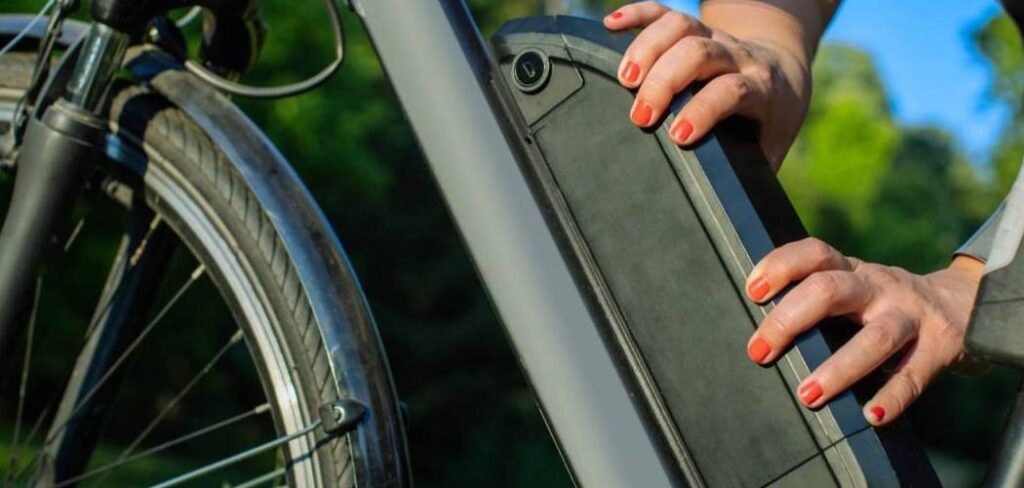
The first thing you need to do is carefully detach the power pack from your bicycle frame. Most models require a specific key to unlock the mechanism holding it in place. Turn the key and gently slide the unit out of its cradle. You should always use two hands to support the weight, as dropping it can cause severe internal damage to the cells. Taking it off the frame makes it much easier to inspect the housing for any dirt or physical damage. It also allows you to bring the unit indoors where the temperature is stable. Learning how to recharge bike battery properly always starts with a safe and secure removal process.
Step 2: Inspect the Connection Ports
Once you have the unit safely resting on a flat, stable surface, take a close look at the metal connection terminals. You want to make sure there is no mud, water, or debris stuck inside the port. Even a tiny piece of grit can prevent the charger from making a solid connection. If you spot any dirt, use your dry microfiber cloth to gently wipe the area clean. Never use water or harsh chemicals to clean these ports. If moisture got into the terminal during a rainy ride, let the unit sit indoors for a few hours to dry completely before you even think about plugging it into the wall.
Step 3: Plug the Charger into the Wall First
This is a crucial detail that many riders overlook. You should always plug the charging brick directly into your grounded wall outlet or surge protector before connecting it to the power pack. Doing this allows the charger to stabilize its internal voltage. If you connect it to the unit first and then plug it into the wall, you risk creating a tiny electrical arc. Over time, that sparking can degrade the metal connectors and harm the internal battery management system. Look for the small indicator light on the charger to illuminate. A green or red light usually indicates that the brick is receiving power from the outlet and is ready for use.
Step 4: Connect the Cable to the Power Unit
With the brick successfully receiving power from the wall outlet, you can now attach the final cable to your power pack. Align the pins carefully before applying any pressure. Forcing the plug into the socket at an awkward angle will bend the delicate metal pins inside. Once aligned, push the connector in firmly until it sits flush against the housing. At this point, the indicator light on your charging brick should change color. Most brands use a red light to show that active charging is currently happening. If the light does not change, double-check your connections or consult your owner’s manual to verify the specific light sequences for your model.
Step 5: Monitor the Charging Environment
Where you place the unit while it juices up is incredibly important. You want a cool, dry area away from direct sunlight or heavy foot traffic. Never place the unit on top of flammable materials like a sofa, a bed, or a pile of clothes. A hard surface like a kitchen counter or a concrete garage floor works best. You should remain nearby while the process happens, at least for the first hour. This allows you to check for any unusual heat buildup. The brick and the pack will naturally get slightly warm, but they should never become too hot to comfortably touch with your bare hands.
Step 6: Disconnect Once Fully Charged
Keep an eye on the indicator light as the hours pass. When the process finishes, the light will typically turn solid green. As soon as you see this green light, you need to unplug the system. Leaving the system plugged in for days on end places unnecessary stress on the internal cells. You want to know exactly how to recharge bike battery to maximize its lifespan, and avoiding overcharging is a massive part of that equation. First, pull the cable out of the power pack. Then, unplug the brick from the wall outlet. Wrap the cords up neatly to prevent them from fraying or getting tangled before your next ride.
Step 7: Reinstall the Power Pack
Now that you have a full tank of juice, it is time to put the unit back onto your bicycle. Carry it carefully out to your frame and slide it back into the mounting track. Listen for a distinct click that tells you the locking mechanism is engaged. Turn your key to secure it fully, then remove the key so you do not lose it on the trail. Give the unit a firm wiggle with your hands to ensure it is seated properly. Finally, turn on your bicycle’s display screen to verify that the power level reads at one hundred percent. You are now fully prepared to hit the road.
Common Mistakes When Recharging Your Bike Battery
Many riders unintentionally damage their equipment by falling into a few bad habits. One frequent error is leaving the unit plugged into the wall for days or weeks at a time. While modern battery management systems prevent catastrophic overcharging, keeping the cells at maximum voltage constantly degrades their overall capacity. You will notice your range dropping significantly if you leave it plugged in all winter.
Another major mistake involves extreme temperatures. People often leave their bicycles in freezing garages or bake them in the trunk of a hot car. Attempting to force energy into cold or overheated cells causes irreversible chemical damage. You should always let the unit return to room temperature before you connect it to power.
Riders also make the error of completely draining the power to zero percent on every single ride. Lithium-ion cells prefer partial discharges. Running the pack completely flat stresses the chemistry. Instead, try to plug it in when you still have twenty or thirty percent remaining. Finally, using a cheap replacement charger you found online is incredibly risky. Those generic chargers rarely deliver the precise voltage your specific unit requires, which can lead to fires or ruined equipment.
Expert Tips
To get the absolute best performance out of your equipment, you should aim to keep the charge level between twenty and eighty percent during regular daily use. You do not always need to fill it to the very top unless you are planning a massive, all-day ride. When you need to store the bicycle for the winter, leave the power pack at roughly fifty percent capacity. Check on it every month and add a little juice if it drops too low.
Always inspect your cables for tiny tears or exposed wires. A damaged cord is a serious fire hazard. If you notice any swelling or strange odors coming from the housing, stop using it immediately and contact the manufacturer. Treating the unit with care dramatically extends its life.
Frequently Asked Questions
How long does the process take?
The total time depends entirely on the size of your power pack and the output of your charger. A standard unit usually takes anywhere from three to six hours to go from nearly empty to completely full. Fast chargers can cut this time down, but they generate more heat and can stress the cells if used constantly.
Can I leave it plugged in overnight?
While it is generally safe to leave it connected while you sleep, it is not the best habit to form. If a malfunction occurs while you are sleeping, you will not be awake to unplug it. It is always safer to top it up during the day when you are awake and nearby.
Should I let it cool down after a ride?
Yes, you should absolutely let it rest for at least thirty minutes after a long ride. The internal cells generate a lot of heat when you demand heavy power from them. Forcing electricity back into hot cells causes excessive wear and tear.
Is it safe to charge indoors?
Charging indoors is perfectly safe and actually recommended, provided you do it correctly. You want a room with a moderate, stable temperature. Just ensure you place the unit on a hard, non-flammable surface and keep it away from direct sunlight or heaters.
Why does the charger get so warm?
The power brick converts alternating current from your wall into direct current for the power pack. This conversion process naturally produces heat. While the brick will feel warm to the touch, it should never feel hot enough to burn your skin.
Conclusion
Taking proper care of your power source guarantees you will enjoy countless miles of smooth, motorized riding. The steps we covered are simple, but they make a massive difference in the longevity of your equipment. Now that you understand the best practices, you can avoid the common pitfalls that ruin expensive equipment.
Knowing exactly how to recharge bike battery gives you peace of mind every time you plug it into the wall. Remember to let it cool down after your rides, keep it out of extreme temperatures, and always use the official cable. Keep your connections clean and monitor the process whenever possible. Grab your gear, hop on your saddle, and enjoy the ride knowing your power supply is in perfect condition.

About Caleb
Caleb Merritt is a Virginia-based outdoor writer and gear analyst who has spent over a decade sleeping on the ground, crossing mountain passes, and obsessively shaving grams off his pack weight. He holds a Bachelor of Science in Environmental Science from James Madison University, where he also served as president of the university’s outdoor recreation club. After graduating, he spent three years as a wilderness educator with a backcountry youth program in the Shenandoah Valley — teaching Leave No Trace ethics, backcountry navigation, and campcraft — before moving into full-time writing in 2018.
His work focuses on one core belief: the best gear is the gear you understand. Whether he’s doing a side-by-side weight comparison of ultralight shelters or writing a beginner’s guide to building a sub-20-lb base weight kit, Caleb writes with the same directness you’d expect from a trusted trail partner. He has logged more than 4,000 miles across iconic routes including the John Muir Trail, the Wind River Range, Vermont’s Long Trail, and the Collegiate Peaks Loop in Colorado.
Areas of Expertise
- Ultralight backpacking systems and base weight optimization
- Tent, tarp, and shelter testing across three-season and shoulder-season conditions
- Sleeping bag and quilt temperature rating verification
- Backpacking nutrition, meal planning, and calorie-per-ounce analysis
- Leave No Trace principles and wilderness ethics
- Campfire safety, bear country protocols, and water treatment methods
- Gear care, repair, and long-term durability assessment
Education
James Madison University — B.S. in Environmental Science, 2015
During his time at JMU, Caleb served as President of the Outdoor Recreation Club, where he planned and led more than 30 backcountry trips annually across the Blue Ridge Mountains and Appalachian Trail corridor. The role sharpened his ability to assess gear performance under real conditions, manage group safety in remote environments, and develop the kind of practical trail knowledge that no classroom can teach.
Professional Experience
Gear Writer & Senior Contributor — [campeox.com]
Produces in-depth gear reviews, buyer’s guides, and how-to content across backpacking, camping, and ultralight hiking categories. Tests all gear in real field conditions before publishing recommendations.
Wilderness Educator & Trip Leader — Shenandoah Backcountry Youth Program — 2015–2018 Led multi-day backcountry expeditions for teens and young adults throughout Shenandoah National Park and George Washington National Forest. Taught LNT principles, orienteering, first aid awareness, and campcraft fundamentals.
Outdoor Recreation Club President — James Madison University — 2013–2015 Organized and led university-sponsored hiking, backpacking, and camping trips in the Blue Ridge Mountains and Appalachian Trail corridor. Managed club budget, safety protocols, and trip logistics for a membership of 120+ students.
Editorial Standards
Every piece of gear Caleb recommends has been personally tested in the field — not just unboxed and described. His review process includes a minimum of two overnight trips per shelter, a full-season evaluation for sleep systems, and side-by-side comparisons wherever possible. He does not accept payment for positive reviews. Affiliate relationships, where they exist, are always disclosed in accordance with FTC guidelines.
All factual claims about gear specifications, trail distances, and safety recommendations are cross-referenced against manufacturer data sheets and established sources such as the Leave No Trace Center for Outdoor Ethics and the American Hiking Society before publication.