Getting ready for your first big trail adventure brings plenty of excitement, but looking at a closet full of everyday clothes can leave you feeling confused. You want to stay comfortable, avoid blisters, and keep the weather from ruining your day out in nature. Figuring out how to dress for hiking for men does not require a massive budget or a closet overhaul. It mostly requires understanding how different fabrics work together to regulate your body temperature.
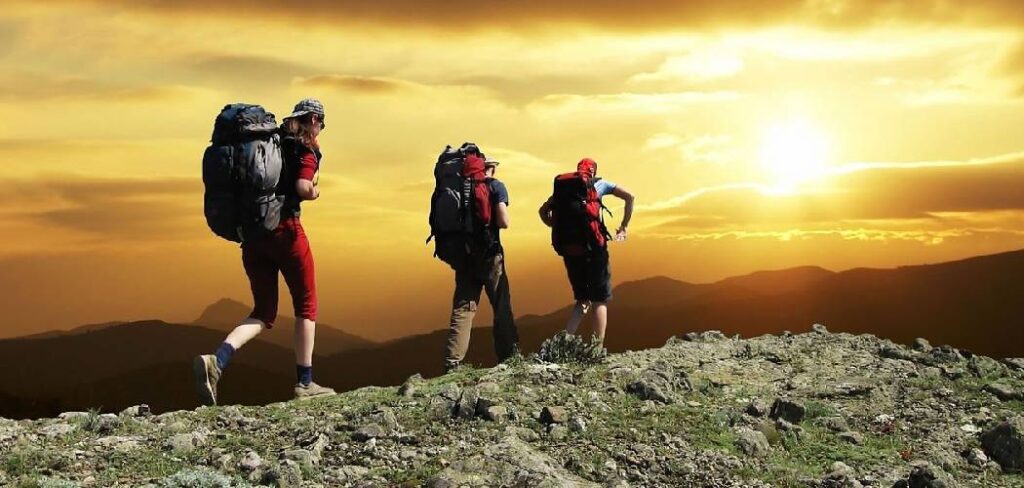
When you choose the right gear, you walk further, complain less, and actually enjoy the scenery instead of worrying about sweat patches or cold winds. Throwing on regular cotton gym clothes usually leads to a miserable, sticky experience that takes the fun out of the wilderness. This guide exists to show you exactly how to build a reliable, comfortable trail outfit from the ground up so you can hit the dirt with complete confidence.
Why Knowing What to Wear Matters on the Trail
Understanding outdoor apparel transforms your entire wilderness experience, especially if you are just starting out. Campers and outdoor beginners often underestimate how quickly weather shifts at higher elevations or in dense forests. A sunny trailhead can turn into a freezing, windy summit within just a few hours of walking.
When you understand the science of layering, you gain total control over your body heat. Proper fabrics pull sweat away from your skin, preventing that dangerous cold chill from setting in when you stop to rest. Durable materials shield your skin from sharp branches, poison ivy, and biting insects. Learning to layer correctly keeps your pack light because you only carry garments that serve a specific, functional purpose. By mastering this simple skill, you guarantee a safer, much more enjoyable journey every time you step foot outside.
Tools and Materials You’ll Need
Before building your hiking outfit, you need a basic arsenal of outdoor-friendly apparel. You do not need the most expensive brands, but you do need fabrics designed for athletic performance and unpredictable weather. Gather these essential items before your trip:
- Synthetic or merino wool boxer briefs
- Moisture-wicking short or long-sleeve base layer t-shirt
- Lightweight fleece pullover or jacket
- Durable nylon or spandex-blend hiking pants
- Waterproof and windproof rain shell
- Merino wool hiking socks
- Sturdy, broken-in trail running shoes or hiking boots
- A wide-brimmed hat or simple baseball cap
- Lightweight trekking poles (Optional, but highly recommended for saving your knees on steep descents)
9 Step-by-Step Guide on How to Dress for Hiking for Men
Step 1 – Check the Local Weather and Terrain
Before you pull a single shirt out of your closet, you need to understand exactly what you will face outside. Weather dictates your entire outfit, so check the forecast for the specific area where you will hike, not just your home city. Mountain climates change rapidly, meaning a clear morning often leads to afternoon thunderstorms.
Look up the hourly temperature predictions and pay close attention to wind speed. Wind chill drastically reduces the temperature you actually feel on your skin. Research the terrain as well. If you plan to walk through tall brush or thick forests, you need garments that resist tearing. By gathering this information first, you make smart choices about which layers to wear and which ones to leave in your car.
Step 2 – Choose Moisture-Wicking Underwear
Your foundation layer sits right against your skin, making it the most critical piece for preventing chafing. Leave your everyday cotton boxers in the drawer. Cotton traps sweat against your body, which leads to painful rubbing after just a few miles of walking. Instead, grab athletic underwear made from synthetic blends or lightweight merino wool.
These materials pull moisture away from your skin and dry rapidly as you move. Look for options with flat seams to reduce friction along your thighs and waistline. A longer boxer-brief style usually provides the best protection against chafing on steep inclines. Starting with a dry, comfortable foundation ensures the rest of your clothing functions properly throughout the entire day.
Step 3 – Pick a Reliable Base Layer Shirt
The shirt you wear against your chest does the heavy lifting when it comes to sweat management. When learning how to dress for hiking for men, you must prioritize a quality base layer. Choose a synthetic polyester or merino wool t-shirt for warm days, or a long-sleeve version for cool mornings.
These active fabrics pull perspiration outward, allowing it to evaporate into the air rather than soaking your shirt. Merino wool costs a bit more, but it naturally resists odors, which keeps you smelling fresh even after hours of sweating. Make sure the shirt fits somewhat snugly but still allows for a full range of motion. A loose shirt will not wick moisture effectively, while a shirt that fits too tight will restrict your breathing on tough climbs.
Step 4 – Add an Insulating Mid-Layer
Your mid-layer acts as your personal furnace, trapping the heat your body generates while you walk. A lightweight fleece jacket or a synthetic puffy vest works perfectly for this job. Fleece breathes incredibly well, meaning it keeps you warm without turning you into a sweaty mess during uphill sections.
If you hike in very cold conditions, a down jacket provides exceptional warmth for its weight. Just remember that down loses its ability to insulate if it gets wet. Pack your mid-layer near the top of your backpack so you can grab it easily during rest breaks. As soon as you stop moving, your body temperature drops, and throwing on this insulating layer prevents you from catching a chill while eating your trail snacks.
Step 5 – Select Durable and Flexible Hiking Pants
Your legs do all the hard work, so they need clothing that moves freely without tearing. Denim jeans restrict movement and hold onto moisture, making them terrible for the outdoors. Instead, select hiking pants made from nylon and spandex blends. These fabrics stretch when you step up on large rocks and resist snags from thorny bushes.
Look for pants with deep pockets for storing your map or phone, and consider options with articulated knees for better flexibility. Many beginners prefer convertible pants that zip off into shorts, giving you two garments in one. If you hike in dense woods with ticks or thick brush, keeping your pants full-length protects your skin from scratches and unwanted insect bites.
Step 6 – Pack a Weather-Resistant Outer Shell
Even on a bright, sunny day, you should never leave the trailhead without a protective outer shell. This final layer serves as your shield against wind, rain, and snow. A quality rain jacket stops cold gusts from stealing your body heat and keeps your internal layers completely dry during sudden downpours.
Look for a jacket that features breathable waterproof technology. This allows your internal sweat vapor to escape while blocking exterior rain drops. Pit zips under the arms offer a fantastic way to dump excess body heat quickly without taking the jacket off. Roll this shell up tightly and stash it in the bottom of your bag. You might not need it, but having it saves you from hypothermia if a storm rolls in.
Step 7 – Choose the Right Hiking Socks
Footwear comfort dictates your happiness on a hike, and socks play a massive role in preventing blisters. Just like your underwear, keep cotton away from your feet. Cotton socks absorb foot sweat, soften your skin, and create intense friction inside your boots.
Select medium-weight merino wool socks instead. Wool regulates temperature beautifully, keeping your feet cool in the summer and warm in the winter. It also provides a soft cushion under your heels and toes. Make sure the sock extends slightly above the collar of your shoe to prevent the boot material from rubbing against your bare ankle. Some hikers even wear a super-thin synthetic liner sock underneath their wool sock for double protection against friction.
Step 8 – Lace Up Proper Footwear
Your shoes connect you to the earth, providing the traction needed to cross muddy paths and loose gravel safely. The age-old debate between heavy hiking boots and lightweight trail runners comes down to personal preference and terrain. If you carry a heavy backpack or walk over jagged rocks, over-the-ankle boots offer excellent support.
For simple day hikes with a light pack, trail running shoes provide incredible comfort and agility. Whatever you choose, ensure the footwear features aggressive rubber lugs on the sole for maximum grip. Never wear brand new shoes on a long trek. Spend a few weeks walking around your neighborhood to break them in, which allows the material to mold to the unique shape of your foot.
Step 9 – Protect Your Head and Hands
The final touches to your outdoor outfit involve shielding your extremities from the elements. A wide-brimmed hat or a breathable baseball cap keeps the harsh sun off your face and neck, reducing fatigue and preventing sunburn. If you expect cold winds, bring a warm beanie to cover your ears.
When figuring out how to dress for hiking for men in colder seasons, do not forget your hands. Your fingers get cold quickly when exposed to mountain air. Keep a pair of lightweight fleece gloves in your pockets. They weigh practically nothing but provide immense comfort during crisp morning starts. Sunglasses also belong on your face or in your pack, as UV rays bounce off rocks and water, causing intense eye strain over long miles.
Common Mistakes When Choosing Hiking Clothes
Many beginners ruin their first outdoor experience by treating a trail like a casual walk through the local park. The most frequent mistake involves wearing heavy cotton garments like jeans, flannel shirts, and standard gym socks. Cotton absorbs moisture like a sponge and refuses to dry, leaving you cold, heavy, and highly susceptible to severe chafing and blisters. Another major error comes from wearing brand-new, stiff boots straight out of the box. Unbroken footwear guarantees painful heel blisters that will make every step feel like torture.
People also frequently overpack thick, bulky winter coats instead of using a modular layering system. A giant parka makes you sweat profusely on the uphills, and you cannot adjust it easily to match your body heat. Wearing clothing that fits too tightly restricts your blood flow and limits your range of motion when scrambling over rocks. Finally, leaving the rain jacket in the car because the sky looks blue is a classic rookie oversight. Mountain weather changes without warning, and a sudden rainstorm without a waterproof shell quickly leads to a dangerous drop in core body temperature.
Expert Tips for Trail Comfort
Experienced hikers know that comfort comes from constant micro-adjustments. Do not wait until you are dripping with sweat to take off a layer. If you feel yourself heating up, stop immediately and remove your fleece or unzip your jacket. Staying dry from the inside out is the key to endurance.
Additionally, always bring an extra pair of wool socks in a waterproof bag. Changing into fresh, dry socks halfway through a long day revitalizes your feet and prevents late-stage blisters. Wash your synthetic gear with specialized sport detergents to maintain their moisture-wicking properties and eliminate stubborn odors. Lastly, tuck your base layer shirt into your pants. It looks a bit nerdy, but it stops cold wind from sneaking up your back and keeps your backpack from rubbing directly against your skin.
Frequently Asked Questions
Can I wear normal running shoes for a hike?
Yes, you can wear normal running shoes for smooth, well-maintained dirt trails. However, they lack the deep rubber tread needed for mud, wet roots, or loose rocks. For rougher terrain, you risk slipping and injuring your ankles. Upgrading to a trail running shoe gives you the light weight of a sneaker with the aggressive grip of a boot.
Do I really need expensive hiking pants?
You do not need the most expensive brands, but you do need the right fabric. Cheap synthetic athletic pants or golf pants work well for beginners. Avoid jeans or heavy canvas pants. Affordable nylon-blend pants dry fast, stretch with your movements, and resist tearing much better than standard casual wear.
How tight should my hiking boots fit?
Your boots should hold your heel firmly in place without any slipping when you walk. However, you need about a thumb’s width of space between your longest toe and the front of the boot. Your feet will swell slightly as you log miles, and that extra room prevents your toes from jamming into the front during downhill sections.
What should I wear if it might rain?
Always keep a lightweight, waterproof shell jacket in your bag. If rain is guaranteed, wear quick-drying synthetic pants and avoid waterproof boots unless it is cold. Waterproof boots trap water inside if it gets over the ankle. Breathable trail runners paired with light synthetic layers dry out quickly once the rain stops.
Are shorts or pants better for the woods?
Pants generally offer better protection for wooded trails. They shield your legs from poisonous plants, thorny bushes, and ticks. Shorts provide better ventilation on very hot days but leave your skin exposed. If you choose shorts, apply bug spray generously and stay closer to the center of the trail to avoid brushing against vegetation.
Conclusion
Getting ready for the outdoors does not have to feel like studying for a science exam. You just need to respect the weather, prioritize comfortable fabrics, and use a modular system to control your body heat. By avoiding heavy cotton and investing in a few moisture-wicking synthetic or wool pieces, you instantly elevate your comfort level on any terrain. Remember that the goal is to enjoy the journey, not to suffer through it in damp, heavy clothing.
Now that you understand how to dress for hiking for men, you can confidently pack your bag and explore that trail you have been eyeing. Check the forecast, layer up smartly, and bring your waterproof shell just in case. The wilderness is ready for you, and with the right gear on your back, you are completely ready for it. Happy hiking, and enjoy the incredible views.

About Caleb
Caleb Merritt is a Virginia-based outdoor writer and gear analyst who has spent over a decade sleeping on the ground, crossing mountain passes, and obsessively shaving grams off his pack weight. He holds a Bachelor of Science in Environmental Science from James Madison University, where he also served as president of the university’s outdoor recreation club. After graduating, he spent three years as a wilderness educator with a backcountry youth program in the Shenandoah Valley — teaching Leave No Trace ethics, backcountry navigation, and campcraft — before moving into full-time writing in 2018.
His work focuses on one core belief: the best gear is the gear you understand. Whether he’s doing a side-by-side weight comparison of ultralight shelters or writing a beginner’s guide to building a sub-20-lb base weight kit, Caleb writes with the same directness you’d expect from a trusted trail partner. He has logged more than 4,000 miles across iconic routes including the John Muir Trail, the Wind River Range, Vermont’s Long Trail, and the Collegiate Peaks Loop in Colorado.
Areas of Expertise
- Ultralight backpacking systems and base weight optimization
- Tent, tarp, and shelter testing across three-season and shoulder-season conditions
- Sleeping bag and quilt temperature rating verification
- Backpacking nutrition, meal planning, and calorie-per-ounce analysis
- Leave No Trace principles and wilderness ethics
- Campfire safety, bear country protocols, and water treatment methods
- Gear care, repair, and long-term durability assessment
Education
James Madison University — B.S. in Environmental Science, 2015
During his time at JMU, Caleb served as President of the Outdoor Recreation Club, where he planned and led more than 30 backcountry trips annually across the Blue Ridge Mountains and Appalachian Trail corridor. The role sharpened his ability to assess gear performance under real conditions, manage group safety in remote environments, and develop the kind of practical trail knowledge that no classroom can teach.
Professional Experience
Gear Writer & Senior Contributor — [campeox.com]
Produces in-depth gear reviews, buyer’s guides, and how-to content across backpacking, camping, and ultralight hiking categories. Tests all gear in real field conditions before publishing recommendations.
Wilderness Educator & Trip Leader — Shenandoah Backcountry Youth Program — 2015–2018 Led multi-day backcountry expeditions for teens and young adults throughout Shenandoah National Park and George Washington National Forest. Taught LNT principles, orienteering, first aid awareness, and campcraft fundamentals.
Outdoor Recreation Club President — James Madison University — 2013–2015 Organized and led university-sponsored hiking, backpacking, and camping trips in the Blue Ridge Mountains and Appalachian Trail corridor. Managed club budget, safety protocols, and trip logistics for a membership of 120+ students.
Editorial Standards
Every piece of gear Caleb recommends has been personally tested in the field — not just unboxed and described. His review process includes a minimum of two overnight trips per shelter, a full-season evaluation for sleep systems, and side-by-side comparisons wherever possible. He does not accept payment for positive reviews. Affiliate relationships, where they exist, are always disclosed in accordance with FTC guidelines.
All factual claims about gear specifications, trail distances, and safety recommendations are cross-referenced against manufacturer data sheets and established sources such as the Leave No Trace Center for Outdoor Ethics and the American Hiking Society before publication.