Standing on a mountain peak surrounded by clouds is an unforgettable experience. But getting there requires more than just a good pair of boots. If you are planning to tackle trails above 8,000 feet, your body needs specific preparation to handle the thinner air and rugged terrain.
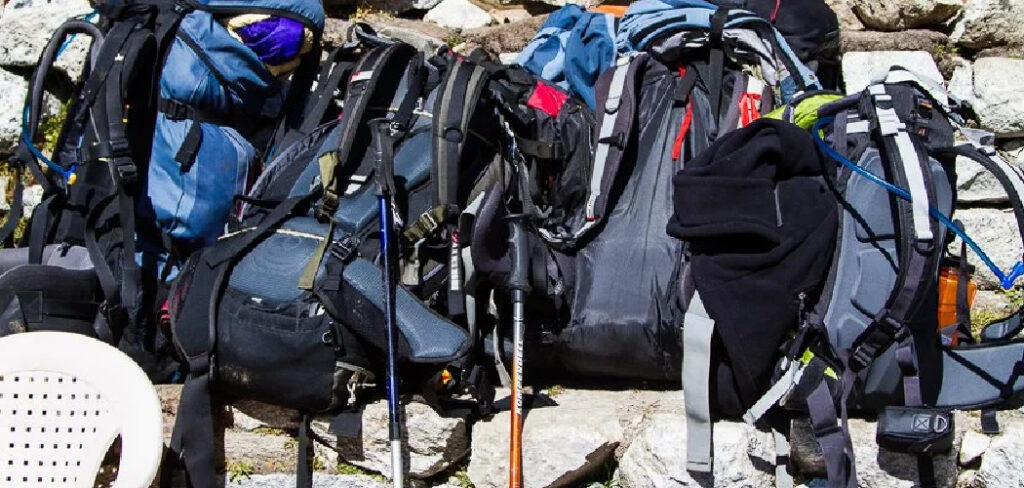
Many beginners underestimate the physical toll of elevation, leading to early exhaustion or altitude sickness. That is exactly why understanding how to train for high altitude hiking is crucial for a safe and enjoyable trip. This guide will walk you through everything you need to know to build your stamina, strengthen your legs, and prepare your lungs for the journey ahead. Whether you are aiming for a local peak or a famous summit, these foundational steps will set you up for success.
Why Altitude Preparation Matters for Beginners
As you climb higher into the mountains, the barometric pressure drops. This means there is less oxygen available in every breath you take. Your heart and lungs have to work overtime just to keep your muscles moving. Without proper preparation, you might experience headaches, dizziness, and extreme fatigue.
Building a solid fitness base before your trip helps your cardiovascular system become more efficient at delivering oxygen throughout your body. Furthermore, strong leg and core muscles improve your balance on uneven, rocky alpine trails. Preparing your body well in advance means you get to actually enjoy the stunning views instead of gasping for air at every switchback. A little groundwork at sea level translates to massive rewards when you finally hit the mountain slopes.
7 Step-by-Step Guide: How to Train for High Altitude Hiking
Step 1: Build Your Cardiovascular Endurance
Cardio is the foundation of mountain readiness. You want to train your heart and lungs to process oxygen as efficiently as possible before you ever step foot on the mountain. Start by incorporating aerobic exercises like running, cycling, or swimming into your routine three to four times a week.
Aim for sustained, moderate-intensity sessions lasting at least forty-five minutes. As your fitness improves, slowly increase the duration of your workouts. This steady-state cardio mimics the long, continuous effort required on the trail. By expanding your aerobic capacity at sea level, you give your body a massive advantage when the air gets thin. Consistency here is the true secret to mastering the ascent without burning out early.
Step 2: Strengthen Your Legs and Core
Mountain terrain is rarely flat or forgiving. Every step demands balance, stability, and power, which means your leg and core muscles must be incredibly resilient. Focus on functional strength training exercises like squats, lunges, and deadlifts to build power in your glutes and quads. Add in calf raises to prepare your lower legs for steep inclines.
Just as importantly, engage in core workouts like planks and rotational exercises. A strong core keeps your posture upright, preventing lower back pain when you carry a heavy backpack. Dedicate at least two days a week to this kind of resistance training. You will feel remarkably more stable when navigating loose rocks or massive boulders on your journey.
Step 3: Practice Walking on Inclines
You cannot simulate a mountain ascent by walking exclusively on flat ground. You must force your muscles to adapt to the specific biomechanics of going uphill. If you live near hills, find the steepest ones and hike them repeatedly. If you live in a flat area, a treadmill is your best friend.
Set the machine to a steep incline and walk at a brisk pace for thirty to sixty minutes. Stair climbers are also fantastic tools for building the precise muscle memory needed for ascending. The goal is to make uphill movement feel entirely natural to your body. Over time, your legs will stop burning so quickly, and your breathing will remain much more controlled on the slopes.
Step 4: Train with a Weighted Backpack
One of the biggest mistakes beginners make is training without gear, only to be crushed by the weight of their pack on hike day. You need to condition your shoulders, back, and hips to carry the exact load you plan to bring. Start with a light daypack containing just water and a jacket. Every week, incrementally add weight using books, water jugs, or actual camping gear.
Wear this weighted pack during your incline walks or stair-climbing sessions. This practice not only strengthens your load-bearing muscles but also toughens the skin on your shoulders and hips, preventing painful blisters and chafing. It bridges the gap between basic fitness and actual trail readiness.
Step 5: Incorporate High-Intensity Interval Training
While steady cardio is crucial, adding high-intensity interval training pushes your body to operate in an oxygen-depleted state. This closely mimics the breathless feeling you will experience at elevation. Once or twice a week, mix short bursts of maximum effort into your routine. For example, sprint up a hill for one minute, then walk down slowly to recover.
Repeat this cycle several times. These intense intervals force your heart rate to spike and teach your body to recover quickly. This type of conditioning increases your VO2 max, which is the maximum amount of oxygen your body can utilize during exercise. It is a highly effective tactic for anyone figuring out how to train for high altitude hiking properly.
Step 6: Plan a Gradual Acclimatization Strategy
Fitness alone cannot prevent acute mountain sickness; your body literally needs time to adjust to the changing atmosphere. You must schedule your trip to allow for slow, gradual exposure to higher elevations. Try to spend at least one night sleeping at a moderate elevation before tackling your main objective. Once on the trail, follow the mountaineering rule of climbing high and sleeping low.
This means you hike up to a higher point during the day but descend to a slightly lower camp to rest at night. Pushing too hard and ascending too rapidly is dangerous, regardless of your physical shape. Patience is your greatest tool for keeping nausea and headaches completely at bay.
Step 7: Focus on Hydration and Nutrition
The dry, thin air found in alpine environments strips moisture from your lungs with every breath, often without you even realizing you are sweating. Proper hydration must start days before you reach the trailhead. Drink plenty of water throughout your training phase to build good habits. Once you are hiking, force yourself to take frequent sips, aiming for at least three to four liters a day.
Nutrition is equally vital. High-elevation trekking burns a massive amount of calories, particularly from carbohydrates. Practice eating easily digestible, carb-rich snacks during your longer training walks. By dialing in your food and water intake at sea level, you ensure your engine never runs out of fuel when it matters most.
Frequently Asked Questions (FAQ)
What Are the Symptoms of Altitude Sickness?
Altitude sickness usually begins with a dull, throbbing headache. If ignored, it can progress quickly. Keep an eye out for these common warning signs:
- Nausea or vomiting
- Extreme dizziness and fatigue
- Shortness of breath while resting
- Loss of appetite
If you experience these symptoms, stop ascending immediately. Drink water, rest, and descend to a lower elevation if your condition does not improve within a few hours.
How Long Does It Take to Acclimatize to High Elevations?
Acclimatization varies widely from person to person. Generally, it takes the human body one to three days to adjust to a new altitude. If you are traveling from sea level to above 8,000 feet, you should plan to spend a rest day at a moderate elevation before attempting strenuous activity. Rushing this natural adjustment process drastically increases your risk of developing illness on the mountain.
Can I Use Medication to Prevent Mountain Sickness?
Yes, certain prescription medications can help your body adjust to the thinner air more rapidly. The most commonly prescribed drug is Acetazolamide.
- It speeds up your breathing rate.
- It helps balance your blood acidity.
Always consult a doctor before your trip to discuss potential side effects. Remember that medication is not a substitute for proper fitness preparation or a safe, gradual ascent schedule.
Does Drinking Water Help With Altitude Adjustment?
Staying hydrated is absolutely critical for adapting to high mountain environments. The air at high elevations is cold and very dry, causing you to lose significant moisture through respiration and invisible sweat. Dehydration can closely mimic or worsen the symptoms of altitude sickness. Aim to drink an extra liter or two of water per day compared to your normal intake, and avoid alcohol before your hike.
Is Running the Best Way to Prepare for Mountaineering?
Running is an excellent way to build the cardiovascular stamina required for mountain trekking. However, it should not be your only method of preparation.
- It builds incredible lung capacity.
- It improves your resting heart rate.
To be fully prepared, you must combine running with heavy resistance training, stair climbing, and walking with a weighted backpack to build the specific leg strength needed for steep trails.
Conclusion
Reaching the summit of a towering peak is a remarkably rewarding achievement that tests your physical limits and mental resolve. By taking the time to build a strong cardiovascular foundation, strengthening your legs and core, and practicing with a heavy pack, you dramatically increase your chances of a successful and enjoyable trip.
Remember that patience is key—allow your body to acclimatize properly, stay thoroughly hydrated, and listen to the warning signs of mountain sickness. With the right preparation, the majestic alpine views are well within your reach. Now that you understand how to train for high altitude hiking, it is time to lace up your boots, start your conditioning program, and get ready for the adventure of a lifetime.

About Caleb
Caleb Merritt is a Virginia-based outdoor writer and gear analyst who has spent over a decade sleeping on the ground, crossing mountain passes, and obsessively shaving grams off his pack weight. He holds a Bachelor of Science in Environmental Science from James Madison University, where he also served as president of the university’s outdoor recreation club. After graduating, he spent three years as a wilderness educator with a backcountry youth program in the Shenandoah Valley — teaching Leave No Trace ethics, backcountry navigation, and campcraft — before moving into full-time writing in 2018.
His work focuses on one core belief: the best gear is the gear you understand. Whether he’s doing a side-by-side weight comparison of ultralight shelters or writing a beginner’s guide to building a sub-20-lb base weight kit, Caleb writes with the same directness you’d expect from a trusted trail partner. He has logged more than 4,000 miles across iconic routes including the John Muir Trail, the Wind River Range, Vermont’s Long Trail, and the Collegiate Peaks Loop in Colorado.
Areas of Expertise
- Ultralight backpacking systems and base weight optimization
- Tent, tarp, and shelter testing across three-season and shoulder-season conditions
- Sleeping bag and quilt temperature rating verification
- Backpacking nutrition, meal planning, and calorie-per-ounce analysis
- Leave No Trace principles and wilderness ethics
- Campfire safety, bear country protocols, and water treatment methods
- Gear care, repair, and long-term durability assessment
Education
James Madison University — B.S. in Environmental Science, 2015
During his time at JMU, Caleb served as President of the Outdoor Recreation Club, where he planned and led more than 30 backcountry trips annually across the Blue Ridge Mountains and Appalachian Trail corridor. The role sharpened his ability to assess gear performance under real conditions, manage group safety in remote environments, and develop the kind of practical trail knowledge that no classroom can teach.
Professional Experience
Gear Writer & Senior Contributor — [campeox.com]
Produces in-depth gear reviews, buyer’s guides, and how-to content across backpacking, camping, and ultralight hiking categories. Tests all gear in real field conditions before publishing recommendations.
Wilderness Educator & Trip Leader — Shenandoah Backcountry Youth Program — 2015–2018 Led multi-day backcountry expeditions for teens and young adults throughout Shenandoah National Park and George Washington National Forest. Taught LNT principles, orienteering, first aid awareness, and campcraft fundamentals.
Outdoor Recreation Club President — James Madison University — 2013–2015 Organized and led university-sponsored hiking, backpacking, and camping trips in the Blue Ridge Mountains and Appalachian Trail corridor. Managed club budget, safety protocols, and trip logistics for a membership of 120+ students.
Editorial Standards
Every piece of gear Caleb recommends has been personally tested in the field — not just unboxed and described. His review process includes a minimum of two overnight trips per shelter, a full-season evaluation for sleep systems, and side-by-side comparisons wherever possible. He does not accept payment for positive reviews. Affiliate relationships, where they exist, are always disclosed in accordance with FTC guidelines.
All factual claims about gear specifications, trail distances, and safety recommendations are cross-referenced against manufacturer data sheets and established sources such as the Leave No Trace Center for Outdoor Ethics and the American Hiking Society before publication.