Picture your cat perched on a mossy log, ears twitching at the rustle of leaves, taking in the wide open world beside you. It sounds like a dream, but plenty of everyday cats become confident trail companions with the right approach. Learning how to train your cat to go hiking takes patience, but the payoff is a bonded, curious feline who loves the outdoors as much as you do.
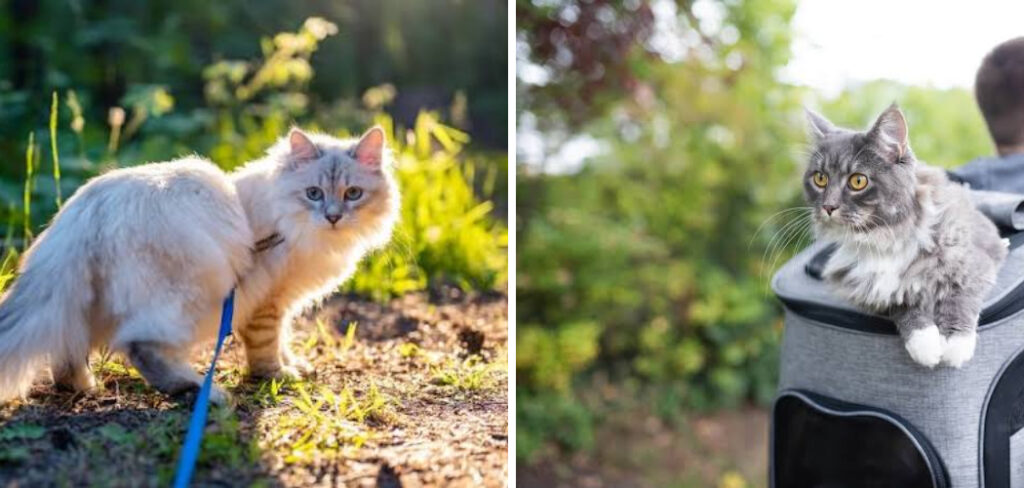
You don’t need a special breed or a fearless kitten to start. Any healthy, willing cat can learn to explore safely, one small step at a time. This guide walks you through everything a first-timer needs, from gear to training steps to common slip-ups, so you and your cat can hit the trail together with confidence.
Why Training Your Cat for Hiking Matters
Hiking with your cat is about far more than cute photos. Outdoor time gives indoor cats real mental stimulation, satisfying their natural urge to hunt, climb, and explore. That extra enrichment often means fewer behavior problems and a calmer cat at home.
For you as an owner, the trail becomes shared adventure time that deepens your bond. A cat who trusts you outdoors trusts you everywhere, and that connection grows with every outing.
There’s a safety angle too. A trained cat responds to your cues, stays calm around surprises, and tolerates a harness without panic. That preparation keeps your cat secure when a dog appears or a loud noise startles the woods. Instead of a stressful scramble, you get a steady, curious companion who reads your lead and enjoys the journey.
Tools and Materials You’ll Need
Getting started is simpler than you might think, but a few key items make the whole process safer and smoother.
- A well-fitted cat harness with an escape-proof design
- A lightweight, sturdy leash around six feet long
- A cat backpack or carrier for breaks and tricky terrain
- High-value treats your cat can’t resist
- Fresh water and a collapsible bowl
- Flea, tick, and parasite protection from your vet
- Updated ID tag and a microchip for backup
- A pet-safe first-aid kit for minor scrapes
One optional item worth adding is a GPS tracker that clips to the harness. It won’t replace good training, but it offers real peace of mind if your cat ever slips loose. Knowing you can locate your buddy fast lets you relax and focus on enjoying the trail together.
7 Step-by-Step Guide on How to Train Your Cat to Go Hiking
Building a trail-ready cat comes down to slow, positive steps that build trust. Follow this order, and you’ll find that how to train your cat to go hiking is less about force and more about patience.
Step 1 – Get Your Cat Comfortable With the Harness
Start indoors, where your cat feels safe and relaxed. Lay the harness on the floor near their favorite napping spot and let them sniff it freely. Reward every curious glance with a treat.
Over a few days, drape the harness gently across their back without buckling it. Keep sessions short and cheerful, ending before your cat gets annoyed. When they seem calm, fasten it loosely and offer treats right away.

Some cats freeze or flop over the first time, and that’s completely normal. Distract them with play or a favorite snack so the harness fades into the background. Once your cat walks around, eats, and grooms while wearing it, you’ve cleared the biggest hurdle.
Step 2 – Introduce the Leash Indoors
With the harness now familiar, clip on the leash and let it drag behind your cat around the house. Watch closely so it doesn’t snag on furniture, and keep the mood light with treats and toys.
After a session or two, pick up the leash and simply follow your cat wherever they wander. Don’t pull or steer yet. You’re teaching them that the leash means nothing scary, just company along for the walk.
Feel the gentle tension in your hand as your cat pauses to sniff a corner. Reward those calm moments generously. Gradually, encourage your cat to follow you with a treat held low, planting the seeds of loose-leash walking indoors before you ever step outside.
Step 3 – Practice in a Safe Outdoor Space
Choose a quiet, enclosed area like a backyard or a calm patio for your cat’s first taste of fresh air. Carry them out in a backpack or your arms so they arrive feeling secure rather than overwhelmed.
Set your cat down and let them explore at their own pace. The smell of grass, the tickle of a breeze, the chorus of birds overhead, it’s a flood of new sensations. Stay close and quiet, letting curiosity lead.
Keep these outings brief at first, maybe just five or ten minutes. If your cat crouches low or bolts toward the door, respect that fear and head inside. Slow wins build a confident explorer, so never rush this tender first exposure to the outdoors.
Step 4 – Build Confidence With Short Sessions
Repetition turns nervous cats into bold ones. Return to that safe outdoor space daily, stretching each visit a little longer as your cat relaxes.
Bring treats and a familiar toy to create positive associations. When your cat sniffs a new plant or watches a leaf tumble past, praise them warmly. You want the outdoors to feel like a rewarding playground, not a threat.

Notice your cat’s body language throughout. Loose posture, upright tail, and gentle blinking mean they feel safe. Flattened ears or a puffed tail mean it’s time to slow down.
This confidence-building phase might take a couple of weeks, and that’s perfectly fine. A cat who feels secure in the yard is ready to handle the bigger, wilder world of a real trail.
Step 5 – Take Your First Short Walk
Now venture just beyond your safe zone, maybe the sidewalk out front or a quiet corner of a nearby park. Pick a calm time of day with few dogs, cars, or crowds around.
Let your cat set the pace completely. They might dart forward, freeze, or dive under a bush to survey the scene. Follow their lead and keep the leash slack, offering treats when they move alongside you.
The crunch of gravel underfoot and unfamiliar smells will hold your cat’s full attention. Keep these first walks short and sweet, ending on a high note while your cat still feels curious. Mastering how to train your cat to go hiking means celebrating tiny victories like these calm early strolls.
Step 6 – Introduce Trail Elements Gradually
Once your cat handles quiet walks well, seek out gentle trails with soft dirt, low rocks, and dappled shade. Ease into it by choosing short, flat paths without steep drops or heavy foot traffic.
Let your cat clamber over a fallen branch or sniff a patch of ferns. These natural obstacles build coordination and boldness. Carry the backpack so you can tuck your cat inside if they tire or a hiker approaches with a dog.
Pay attention to the terrain under their paws, from cool moss to warm stone. Cats read the ground carefully, so give them time to investigate. Short, positive trail visits teach your cat that the woods are just another exciting place to explore beside you.
Step 7 – Prepare for Longer Adventures
With a confident, trail-savvy cat, you can start planning fuller outings. Build up distance slowly, watching for signs of fatigue like heavy panting, dragging steps, or a sudden desire to hide in the pack.
Pack plenty of water and offer frequent sips, especially on warm days. Cats overheat faster than we expect, so seek shade and take breaks often. The rustle of a water bowl being unfolded can become a welcome cue for rest.
Always know the rules of your chosen park, since some ban pets or require leashes. Check the weather, avoid peak heat, and keep your first long hikes well within your cat’s proven comfort zone. Steady progress keeps every adventure safe and genuinely fun.
Common Mistakes When Training Your Cat for Hiking
Even loving owners stumble into a few predictable traps, and knowing them ahead of time saves you both a lot of stress.
The most common mistake is rushing the process. Excitement pushes people to skip straight to the trail before their cat accepts the harness, which usually ends in a terrified, thrashing cat. Move at your cat’s pace, and let each step build naturally on the last.
Another frequent error is using an ill-fitting harness. A loose one lets a startled cat wriggle free and vanish, while a tight one causes pain and resistance. Always check that you can slip two fingers under the straps, and test the fit indoors before heading out.
Many beginners also forget about heat and hydration. Cats don’t sweat like we do, and they overheat quickly on sunny paths. Skipping water breaks or hiking midday puts your cat at real risk, so plan for shade and frequent rest.
Finally, plenty of owners ignore their cat’s fear signals. A crouched body, flattened ears, or frantic escape attempts mean stop, not push harder. Forcing a scared cat forward destroys trust and sets your training back weeks. Read their cues and respond with patience.
Expert Tips
Always end training sessions while your cat still feels happy and curious. Stopping on a positive note makes them eager for the next round instead of dreading it.
Feed your cat a small meal before outings so hunger keeps treats extra motivating on the trail. A slightly peckish cat pays closer attention to your rewards.
Practice recall at home using a clicker or a special word paired with treats. That reliable response becomes priceless if your cat ever gets startled outdoors.
Start young if you can, since kittens adapt fastest, but know that patient adults learn too. Match your ambitions to your individual cat’s temperament rather than forcing a timid feline onto busy trails. Above all, keep every experience relaxed, rewarding, and centered on the bond you’re building together.
Frequently Asked Questions
Can any cat learn to go hiking?
Most healthy cats can learn to enjoy the outdoors, though temperament matters a lot. Bold, curious cats often take to trails quickly, while shy or anxious cats need extra time and gentle encouragement. Some may never love it, and that’s okay. Watch your individual cat’s comfort level and never force a truly fearful feline onto the trail.
What age is best to start training a cat to hike?
Kittens between four and six months old often adapt fastest, since they’re naturally curious and open to new experiences. That said, adult cats can absolutely learn too, just with more patience. Always wait until your cat is fully vaccinated and cleared by a vet before heading outside. Age matters less than temperament, health, and your consistent, positive approach.
How do I keep my cat safe from other animals on the trail?
Keep your cat leashed and stay alert to your surroundings at all times. Carry a backpack so you can quickly tuck your cat away if a dog or wild animal appears. Choose quiet trails during off-peak hours to limit encounters. Reliable recall training and a secure harness give you extra control when surprises pop up unexpectedly.
How long should my first hikes with my cat be?
Start incredibly short, often just five to ten minutes near home. Cats tire and overwhelm faster than dogs, so brief, positive outings build confidence without stress. Gradually add a few minutes as your cat relaxes and shows enthusiasm. Watch for fatigue signs like hiding or heavy breathing, and always end while your cat still seems curious and happy.
What should I do if my cat panics outside?
Stay calm and speak softly, since your energy reassures your cat. Gently scoop them into your backpack or carrier to create instant security, then head somewhere quiet. Never chase or grab a panicked cat, as that heightens fear. Once home, take a break from training for a day or two, then restart at an easier, less overwhelming step.
Conclusion
Turning your indoor cat into a trail buddy is a rewarding journey built on patience, trust, and plenty of treats. When you understand how to train your cat to go hiking, you unlock a whole new way to bond while giving your cat the enrichment they crave.
Remember the path that gets you there. Start with the harness indoors, add the leash, then build confidence in a safe outdoor space before your first short walk. Introduce trail elements slowly, prepare for longer adventures with water and shade, and always read your cat’s body language along the way.
Skip the rushing, watch for heat, and honor every fear signal your cat sends. Those small kindnesses turn a nervous pet into a bold explorer over time.
Your cat won’t become a mountain climber overnight, and that’s the beauty of it. Each tiny win adds up to a confident companion ready to share the fresh air with you. So gather your gear, take a deep breath, and start today. The trails, and your curious cat, are waiting.

About Caleb
Caleb Merritt is a Virginia-based outdoor writer and gear analyst who has spent over a decade sleeping on the ground, crossing mountain passes, and obsessively shaving grams off his pack weight. He holds a Bachelor of Science in Environmental Science from James Madison University, where he also served as president of the university’s outdoor recreation club. After graduating, he spent three years as a wilderness educator with a backcountry youth program in the Shenandoah Valley — teaching Leave No Trace ethics, backcountry navigation, and campcraft — before moving into full-time writing in 2018.
His work focuses on one core belief: the best gear is the gear you understand. Whether he’s doing a side-by-side weight comparison of ultralight shelters or writing a beginner’s guide to building a sub-20-lb base weight kit, Caleb writes with the same directness you’d expect from a trusted trail partner. He has logged more than 4,000 miles across iconic routes including the John Muir Trail, the Wind River Range, Vermont’s Long Trail, and the Collegiate Peaks Loop in Colorado.
Areas of Expertise
- Ultralight backpacking systems and base weight optimization
- Tent, tarp, and shelter testing across three-season and shoulder-season conditions
- Sleeping bag and quilt temperature rating verification
- Backpacking nutrition, meal planning, and calorie-per-ounce analysis
- Leave No Trace principles and wilderness ethics
- Campfire safety, bear country protocols, and water treatment methods
- Gear care, repair, and long-term durability assessment
Education
James Madison University — B.S. in Environmental Science, 2015
During his time at JMU, Caleb served as President of the Outdoor Recreation Club, where he planned and led more than 30 backcountry trips annually across the Blue Ridge Mountains and Appalachian Trail corridor. The role sharpened his ability to assess gear performance under real conditions, manage group safety in remote environments, and develop the kind of practical trail knowledge that no classroom can teach.
Professional Experience
Gear Writer & Senior Contributor — [campeox.com]
Produces in-depth gear reviews, buyer’s guides, and how-to content across backpacking, camping, and ultralight hiking categories. Tests all gear in real field conditions before publishing recommendations.
Wilderness Educator & Trip Leader — Shenandoah Backcountry Youth Program — 2015–2018 Led multi-day backcountry expeditions for teens and young adults throughout Shenandoah National Park and George Washington National Forest. Taught LNT principles, orienteering, first aid awareness, and campcraft fundamentals.
Outdoor Recreation Club President — James Madison University — 2013–2015 Organized and led university-sponsored hiking, backpacking, and camping trips in the Blue Ridge Mountains and Appalachian Trail corridor. Managed club budget, safety protocols, and trip logistics for a membership of 120+ students.
Editorial Standards
Every piece of gear Caleb recommends has been personally tested in the field — not just unboxed and described. His review process includes a minimum of two overnight trips per shelter, a full-season evaluation for sleep systems, and side-by-side comparisons wherever possible. He does not accept payment for positive reviews. Affiliate relationships, where they exist, are always disclosed in accordance with FTC guidelines.
All factual claims about gear specifications, trail distances, and safety recommendations are cross-referenced against manufacturer data sheets and established sources such as the Leave No Trace Center for Outdoor Ethics and the American Hiking Society before publication.