Getting outdoors means embracing the mud, dirt, and water that comes with the territory. Your footwear takes the brunt of this adventure, absorbing sweat and gathering grime along the trails. Proper maintenance ensures your favorite pair remains supportive, fresh, and ready for your next hike or river crossing. Finding the right approach to cleaning waterproof webbing and specialized footbeds can seem tricky at first glance.
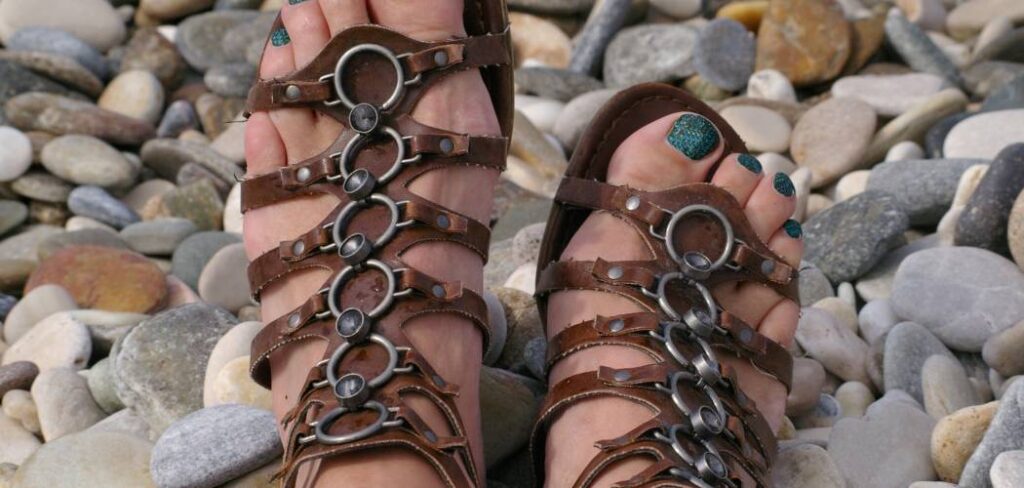
Understanding exactly how to wash keen sandals extends the lifespan of your gear and keeps foot odor at bay. You do not need expensive specialty products or professional services to restore their original condition. A few simple household items and a bit of focused effort will bring them back to life quickly. This guide provides an easy, expert-approved walkthrough to help first-time users clean their outdoor footwear effectively.
Why Cleaning Your Keen Sandals Matters
Leaving dirt and sweat baked into your footwear creates more problems than just an unpleasant smell. Microscopic grit works its way into the webbing and stitching, acting like sandpaper against the synthetic materials every time you take a step. This friction gradually weakens the structural integrity of the straps, leading to premature tearing or fraying.
For campers and outdoor beginners, learning this maintenance routine protects a valuable investment. Clean footbeds also prevent the growth of bacteria and fungi that thrive in damp, enclosed environments. Regular washing removes these microscopic threats, protecting your skin from irritation, blisters, or infections during long hikes. Maintaining the traction on your rubber soles by clearing out caked mud also ensures you keep a steady grip on slippery rocks and steep inclines. Taking time to care for your gear guarantees it will support you reliably on countless future adventures.
Tools and Materials You’ll Need
Gathering the right supplies before you begin makes the entire cleaning process smooth and efficient. You likely already have most of these items sitting in your laundry room or kitchen cabinets.
- Mild liquid laundry detergent or gentle dish soap
- Soft-bristled scrub brush (an old toothbrush works perfectly for tight crevices)
- Clean, dry microfiber cloth or cotton towel
- Bucket or basin large enough to submerge your footwear
- Cold to lukewarm water access
- Baking soda for stubborn odor treatments
- Optional: A specialized outdoor fabric cleaner or sandal wash for extreme dirt buildup
Setting up a dedicated cleaning station outside or in a deep utility sink helps contain the mess. Having everything within reach means you can work quickly without leaving wet footprints across your floors.
Step-by-Step Guide on Cleaning Your Footwear
Step 1 – Remove Loose Dirt and Debris
Begin by taking your footwear outside and gently knocking the soles together to dislodge any dried mud, pebbles, or loose dirt. Give the outsoles a firm tap against a hard surface to free up the deep treads where stubborn debris likes to hide. Use your soft-bristled brush while the material is completely dry to sweep away surface dust from the webbing and bungee cords.
Brushing away this loose grime first prevents you from pushing dirt deeper into the fabric fibers once you introduce water. Pay special attention to the protective toe bumper, as dirt often cakes tightly around the rubber seams. If you find small stones wedged tightly in the traction grooves, carefully pop them out using a dull toothpick or the handle of your brush. Taking your time with this dry prep stage makes the wet washing phase significantly easier and more effective.
Step 2 – Rinse with Clean Cold Water
Run your footwear under a steady stream of cold or lukewarm water to thoroughly saturate the materials. You can use a garden hose on a gentle setting or the faucet in your utility sink. Flush water directly through the footbed, over the webbing, and underneath the bungee lacing system.
The goal here is to wash away any remaining loose soil and prepare the fabric to absorb your cleaning solution. Ensure the straps become completely wet, as dry spots will not clean evenly and might end up looking stained. Never use hot water during this step, as high temperatures can melt the specialized glues holding the soles together. Getting an even soak across the entire surface ensures your soap will lather correctly and penetrate the microscopic pores of the synthetic upper materials.
Step 3 – Prepare Your Gentle Cleaning Solution
Fill your bucket or basin with a few inches of cold or lukewarm water to create your washing bath. Add just a few drops of your mild liquid laundry detergent or gentle dish soap into the water. Swish the water around with your hands until you see a light, soapy lather forming on the surface.
You want the mixture to be slightly slippery to the touch but not overwhelmingly sudsy. Using too much soap makes the final rinsing process frustrating and can leave a sticky residue that attracts more dirt later. If you are learning how to wash keen sandals for the first time, err on the side of using less detergent. A weak solution protects the water-resistant coatings on the fabric while still breaking down body oils and trail grime effectively.
Step 4 – Scrub the Fabric Uppers
Dip your soft-bristled brush into the soapy water and begin working on the webbing, straps, and bungee cords. Use small, gentle circular motions to lift stains out of the fabric without causing the synthetic threads to fray. Focus on one strap at a time, moving methodically around the entire upper section.
Apply slightly more pressure on heavily soiled areas, but let the soapy bristles do the heavy lifting rather than scrubbing aggressively. The nylon and polyester materials respond well to consistent, gentle agitation. Make sure to pull the bungee laces slightly to clean the areas where they cross over the underlying fabric. Regularly dip your brush back into the bucket to keep it clean and fully loaded with your soapy solution. This careful attention restores the bright colors and flexibility of the webbing.
Step 5 – Deep Clean the Footbed
The footbed absorbs the majority of your sweat and requires focused, deliberate cleaning to remove trapped odors and oils. Pour a tiny amount of your soapy water directly onto the footbed and use your brush to scrub the textured surface. Work the bristles into the anatomical grooves and arch support areas where bacteria tend to accumulate most heavily.
For incredibly stubborn smells, sprinkle a light dusting of baking soda over the footbed before scrubbing. The baking soda acts as a mild abrasive and a natural deodorizer, pulling out embedded grime without damaging the rubber or EVA foam. Spend extra time scrubbing the heel cup and the toe grip sections. Figuring out how to wash keen sandals properly means paying the most attention to the areas making direct contact with your bare skin.
Step 6 – Clean the Rubber Outsoles
Flip your footwear over and turn your attention to the heavy-duty rubber outsoles and the iconic toe bumper. Dip your brush into the soapy water and scrub vigorously across the traction lugs and flex grooves. You can apply much more pressure here than you did on the fabric uppers.
The dense rubber can handle aggressive scrubbing to remove sap, sticky mud, and animal waste picked up on the trail. Work the bristles deep into the tread patterns to clear out any remaining grime that reduces your grip on slippery surfaces. Wash the sides of the soles and the front rubber bumper until the original color shines through cleanly. Keeping these outsoles perfectly clean ensures you maintain optimal traction and stability during your upcoming hikes and river crossings.
Step 7 – Rinse Away All Soap Residue
Take your freshly scrubbed footwear back to your hose or utility sink for a comprehensive final rinse. Use cold water to flush away every trace of soap, dirty water, and baking soda from the materials. Press your thumbs gently against the thick straps as the water runs over them to squeeze out trapped suds.
Continue rinsing until the water running off the footbed and through the webbing is completely clear. Leaving soap residue behind causes the footbed to become dangerously slippery when wet and leaves the straps feeling stiff and crusty once dry. You might need to spend several minutes on this step to ensure total removal of the detergent. A thorough rinse guarantees maximum comfort and prevents any leftover chemicals from irritating your skin on your next long walk.
Step 8 – Air Dry in a Well-Ventilated Area
Use your clean microfiber cloth or cotton towel to pat down the entire surface, absorbing as much excess moisture as possible. Press the towel firmly into the footbed and wrap it around the webbing to soak up dripping water. Once you remove the bulk of the moisture, place the footwear in a cool, dry, and well-ventilated space.
Set them on a porch with good airflow or near an open window inside your home. Never place them directly in the sun, near a campfire, or inside a clothes dryer to speed up the process. Excessive heat warps the rubber, shrinks the straps, and destroys the waterproof adhesives. Depending on the humidity in your area, complete drying usually takes between twelve and twenty-four hours. Wait until the thickest part of the straps feels totally dry before wearing them again.
Common Mistakes When Washing Footwear
Ruining a great pair of outdoor footwear usually happens when people rush the cleaning process or use extreme methods. The most frequent mistake involves throwing muddy gear directly into a washing machine on a heavy-duty cycle. The violent agitation of a washing machine damages the supportive structure, while the heavy rubber soles can actually dent or crack the drum of your appliance. Even on a gentle cycle, total submersion in an automated washer drastically reduces the lifespan of the waterproof glues holding the sole to the upper.
Another massive error comes from using harsh chemical cleaners like bleach, heavy degreasers, or strong stain removers. These aggressive chemicals strip the factory water-resistant coatings right off the nylon webbing and degrade the EVA foam footbeds. They also cause vibrant colors to fade unevenly and can make the rubber toe bumper brittle over time.
Finally, many beginners destroy their freshly washed gear by leaving them to bake in direct, intense sunlight or putting them near a space heater. High heat causes the rubber components to shrink and warp, permanently ruining the ergonomic fit. Heat also dries out the synthetic webbing, making it rough and prone to causing bad blisters. Always practice patience, stick to mild soaps, and rely entirely on natural air drying in shaded areas to protect your investment.
Expert Tips for Maintaining Your Footwear
Preventative care makes your deep cleaning sessions much easier and less frequent. Make it a habit to rinse your gear with fresh water immediately after hiking through saltwater, thick mud, or sandy beaches. Rinsing away corrosive elements before they dry prevents them from embedding deeply into the webbing fibers.
Store your gear in a temperature-controlled environment rather than leaving them trapped in a hot car trunk or a damp garage. Airflow is crucial for keeping odors under control between washes. You can also pull the footbeds out slightly, if your specific model allows it, to expose the deeper recesses to fresh air. Consider buying a second pair to rotate on long camping trips. Giving foam footbeds a full twenty-four hours to decompress and dry completely between uses dramatically extends their supportive lifespan and keeps bacteria from establishing a stronghold.
Read More: How To Clean Jade Yoga Mat
Frequently Asked Questions
Can I put my outdoor sandals in the washing machine?
You should avoid putting them in the washing machine. The intense spinning and agitation can tear the fabric straps and severely weaken the protective adhesives. The heavy rubber soles can also cause significant damage to the inside of your washing machine drum. Hand washing remains the safest and most effective method for preserving structural integrity.
How do I get rid of the terrible smell in the footbed?
Baking soda remains your best defense against stubborn foot odor. Sprinkle a generous amount directly onto the dry footbed and let it sit overnight to absorb trapped moisture and neutralize bacterial odors. In the morning, scrub the footbed with mild soap and water to wash away the baking soda and the lingering smells entirely.
Is it safe to use dish soap for cleaning?
Mild dish soap works exceptionally well for this task. It is designed to cut through grease and organic oils, making it perfect for breaking down sweat and trail grime. Just remember to use a very small amount, as dish soap creates heavy suds that can be difficult to rinse out of woven nylon straps.
How long does it usually take for them to dry?
Air drying typically takes anywhere from twelve to twenty-four hours, depending on your local climate and humidity. Placing them in a shaded spot with a strong cross-breeze speeds up the evaporation process safely. Never use artificial heat sources or direct sunlight to rush this phase, as heat permanently warps the rubber.
Should I apply a waterproofing spray after cleaning?
Applying a water-repellent spray can help restore the protective barrier on the fabric straps once they are completely dry. Choose a spray specifically formulated for nylon and synthetic outdoor gear. Apply it lightly in a well-ventilated area, avoiding the rubber outsoles, and let it cure fully before your next hike.
Read More: How To Clean Bomber Jacket
Conclusion
Taking proper care of your outdoor gear ensures you stay comfortable, supported, and ready for whatever the trail throws your way. You do not need professional services or expensive chemicals to achieve a deep, refreshing clean. By gathering a few simple household items and dedicating a little bit of time, you can easily scrub away weeks of accumulated mud and sweat.
Following a gentle hand-washing routine protects the specialized adhesives, maintains the vibrant colors of the webbing, and prevents the rubber components from warping. Knowing how to wash keen sandals correctly empowers you to tackle muddy trails and river crossings without worrying about ruining your favorite footwear. The effort you put into maintenance directly translates into more blister-free miles and a longer lifespan for your gear. Grab your soft brush, mix up some soapy water, and give your trusted footwear the thorough refresh they deserve before your next big adventure.

About Caleb
Caleb Merritt is a Virginia-based outdoor writer and gear analyst who has spent over a decade sleeping on the ground, crossing mountain passes, and obsessively shaving grams off his pack weight. He holds a Bachelor of Science in Environmental Science from James Madison University, where he also served as president of the university’s outdoor recreation club. After graduating, he spent three years as a wilderness educator with a backcountry youth program in the Shenandoah Valley — teaching Leave No Trace ethics, backcountry navigation, and campcraft — before moving into full-time writing in 2018.
His work focuses on one core belief: the best gear is the gear you understand. Whether he’s doing a side-by-side weight comparison of ultralight shelters or writing a beginner’s guide to building a sub-20-lb base weight kit, Caleb writes with the same directness you’d expect from a trusted trail partner. He has logged more than 4,000 miles across iconic routes including the John Muir Trail, the Wind River Range, Vermont’s Long Trail, and the Collegiate Peaks Loop in Colorado.
Areas of Expertise
- Ultralight backpacking systems and base weight optimization
- Tent, tarp, and shelter testing across three-season and shoulder-season conditions
- Sleeping bag and quilt temperature rating verification
- Backpacking nutrition, meal planning, and calorie-per-ounce analysis
- Leave No Trace principles and wilderness ethics
- Campfire safety, bear country protocols, and water treatment methods
- Gear care, repair, and long-term durability assessment
Education
James Madison University — B.S. in Environmental Science, 2015
During his time at JMU, Caleb served as President of the Outdoor Recreation Club, where he planned and led more than 30 backcountry trips annually across the Blue Ridge Mountains and Appalachian Trail corridor. The role sharpened his ability to assess gear performance under real conditions, manage group safety in remote environments, and develop the kind of practical trail knowledge that no classroom can teach.
Professional Experience
Gear Writer & Senior Contributor — [campeox.com]
Produces in-depth gear reviews, buyer’s guides, and how-to content across backpacking, camping, and ultralight hiking categories. Tests all gear in real field conditions before publishing recommendations.
Wilderness Educator & Trip Leader — Shenandoah Backcountry Youth Program — 2015–2018 Led multi-day backcountry expeditions for teens and young adults throughout Shenandoah National Park and George Washington National Forest. Taught LNT principles, orienteering, first aid awareness, and campcraft fundamentals.
Outdoor Recreation Club President — James Madison University — 2013–2015 Organized and led university-sponsored hiking, backpacking, and camping trips in the Blue Ridge Mountains and Appalachian Trail corridor. Managed club budget, safety protocols, and trip logistics for a membership of 120+ students.
Editorial Standards
Every piece of gear Caleb recommends has been personally tested in the field — not just unboxed and described. His review process includes a minimum of two overnight trips per shelter, a full-season evaluation for sleep systems, and side-by-side comparisons wherever possible. He does not accept payment for positive reviews. Affiliate relationships, where they exist, are always disclosed in accordance with FTC guidelines.
All factual claims about gear specifications, trail distances, and safety recommendations are cross-referenced against manufacturer data sheets and established sources such as the Leave No Trace Center for Outdoor Ethics and the American Hiking Society before publication.