There is nothing quite like the excitement of pulling your camping gear out of storage for a weekend getaway. You unzip the bag, ready to plan your trip, but you are instantly hit with a damp, unpleasant odor. Mildew and lingering moisture can ruin the camping experience before you even hit the trail. Do not worry; you are not alone, and you do not need to throw away your favorite shelter.
Understanding how to clean a musty tent is an essential skill for any outdoor enthusiast. With a few simple supplies and a little bit of sunshine, you can restore your gear to its former glory. This guide will walk you through the exact process to eliminate those foul smells, protect the fabric, and get you back to enjoying the great outdoors.
Why Removing Lingering Odors is Crucial
Ignoring a foul odor in your camping gear leads to bigger problems than just a bad smell. That damp scent usually indicates the presence of mold or mildew, which can slowly eat away at the waterproof polyurethane coating. If left untreated, the fabric degrades, causing your shelter to leak during rainstorms. Furthermore, sleeping in an enclosed space filled with mold spores poses significant health risks.
Breathing in these irritants can cause allergic reactions, coughing, and poor sleep. By taking the time to wash and dry your gear properly, you extend its lifespan significantly. Proper maintenance saves you money by preventing the need for frequent replacements. You also guarantee a much healthier, more comfortable environment for you and your family on your next wilderness adventure.
7 Step-by-Step Guide on How to Clean a Musty Tent
Proper maintenance requires patience and the right technique. Follow these detailed steps to thoroughly refresh your shelter.
Step 1: Set Up and Inspect the Fabric
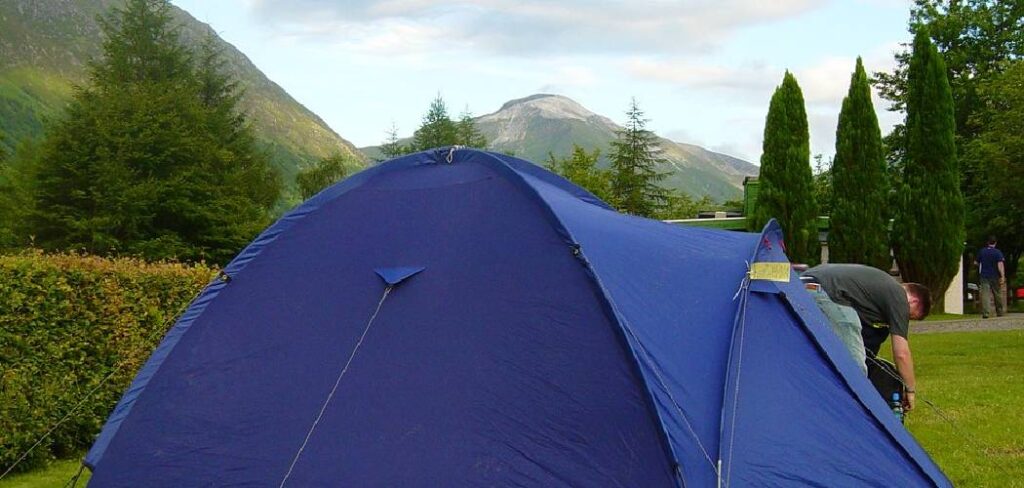
Start by pitching your shelter in a shaded, outdoor area. Setting it up completely allows you to see every inch of the fabric, ensuring you do not miss any hidden spots of mildew. Pull the material taut to smooth out wrinkles where moisture often hides. Inspect the seams, corners, and the floor meticulously. Look for dark spots, discoloration, or any peeling of the waterproof tape. Leaving the doors and windows unzipped promotes initial airflow, which begins the airing-out process immediately. This full setup is essential because trying to wash bunched-up fabric usually pushes dirt deeper into the synthetic fibers instead of pulling it out.
Step 2: Brush Away Loose Dirt and Debris
Before applying any water or soap, you need to remove the dry, loose dirt. Grab a soft-bristled brush or a dry microfiber cloth and gently sweep the inside and outside of the structure. Pay special attention to the floor corners, as sand, pine needles, and dried mud tend to accumulate there. Sweeping away this debris prevents it from turning into a muddy paste once you introduce liquids. Be very gentle around the mesh windows to avoid snagging the delicate netting. Removing the top layer of grime makes the deeper washing process significantly easier and ensures your cleaning solutions can penetrate directly into the smelly mildew spots.
Step 3: Mix a Gentle Cleaning Solution
Harsh household detergents and bleach will destroy the protective waterproof coatings on your outdoor gear. Instead, you need to prepare a gentle mixture. Fill a large bucket with lukewarm water. Add a specialized technical wash designed specifically for outdoor fabrics. If you do not have a technical wash, a few drops of mild, fragrance-free dish soap will work well. Swirl the water gently to mix the soap without creating an excessive amount of foam. High foam levels are difficult to rinse out and leave a sticky residue behind. This mild solution is tough enough to break down dirt and oils but gentle enough to preserve the structural integrity of your shelter.
Step 4: Hand Wash the Affected Areas
Dip a clean sponge or a soft cloth into your prepared soapy water and wring it out so it is damp, not soaking wet. Gently scrub the areas with visible stains or strong odors using circular motions. Applying too much pressure can tear the material or strip the waterproof sealant, so use a light touch. For stubborn mildew spots, you can mix a small amount of white vinegar and water, dabbing it lightly on the stain. Vinegar naturally kills mold spores and helps neutralize foul smells. Focus heavily on the floor and the lower walls, as these areas experience the most contact with damp ground and muddy boots.
Step 5: Rinse the Fabric Thoroughly
Once you have scrubbed the dirty areas, you must remove all the soap residue. Grab a garden hose and spray the entire structure down using a gentle shower setting. Do not use a high-pressure nozzle, as the forceful water stream can blow apart the seam tape. Ensure you rinse both the inside and the outside completely. Leftover soap attracts dirt quickly and compromises the water-repellent finish. Continue rinsing until the water runs completely clear and you see no bubbles on the fabric surface. If you do not have a hose, use a clean bucket of fresh water and a new sponge to wipe away the suds carefully.
Step 6: Apply an Enzyme Odor Eliminator
Sometimes, knowing how to clean a musty tent requires an extra layer of defense against stubborn smells. If the damp odor persists after washing and rinsing, you need an enzyme-based odor eliminator. These specialized sprays contain live enzymes that actively consume the bacteria causing the foul scent. Spray the solution generously over the interior and exterior surfaces, focusing heavily on the seams and corners. Do not wipe the spray away. Allow it to soak into the fabric and air dry naturally. The enzymes need time to break down the organic matter completely. This step ensures your gear smells exceptionally fresh and neutral for your upcoming travels.
Step 7: Air Dry Completely Before Storage
The absolute most important step in this entire process is the drying phase. Leave the structure pitched in a shaded, well-ventilated area until it is bone dry. Avoid direct, intense sunlight, as UV rays degrade synthetic fabrics over time. Leave all doors and windows unzipped to maximize cross-ventilation. Check the thickest parts of the material, like the reinforced corners and the zipper seams, as these hold moisture the longest. Packing up gear that is even slightly damp will cause the mildew to return immediately. Wait until every single inch feels crisp and dry to the touch before you fold it up and place it in its storage bag.
Read More: How to Wash Keen Sandals
Frequently Asked Questions
Can I Put My Camping Shelter in the Washing Machine?
No, you should never place your outdoor shelter in a washing machine. The agitator and the spinning motion of the machine will stretch the fabric, tear the delicate mesh windows, and destroy the waterproof polyurethane coating. Even a gentle cycle is too rough. Always hand wash your gear using a soft sponge and a bucket of water to ensure it remains completely intact and functional.
Does Vinegar Damage Waterproof Coatings?
White vinegar is a highly effective, natural cleaner, but you must use it correctly. If you apply undiluted vinegar directly to the fabric and leave it for hours, it can slowly weaken the waterproof finish. However, mixing one part vinegar with three parts water creates a safe solution for spot-treating mildew. Always rinse the vinegar solution off thoroughly with fresh water to protect your gear.
How Can I Prevent Mildew from Forming in the Future?
The best prevention is moisture control.
- Always dry your gear completely before packing it away.
- If you must pack up in the rain, unpack and hang the fabric to dry as soon as you get home.
- Store your gear in a cool, dry place inside your house rather than a humid garage or damp basement.
- Store it loosely in a breathable cotton bag.
Why Is Bleach Bad for Cleaning Outdoor Fabrics?
Bleach is an extremely harsh chemical that degrades synthetic fibers like nylon and polyester. It strips away the durable water repellent (DWR) finish and the seam tape, leaving your gear completely vulnerable to rain. Additionally, bleach can cause severe discoloration and weaken the material, making it prone to tearing. Always stick to specialized technical washes or mild dish soap.
How Do I Know if the Mold Is Too Severe to Fix?
If you notice large patches of black mold that have eaten entirely through the fabric, the structure is likely beyond saving. Severe mold causes the material to become brittle, flaky, and prone to tearing with the slightest pressure. If the fabric feels sticky, smells overwhelmingly like rot, or tears easily in your hands, it is time to invest in a replacement for your safety.
Read More: How To Clean Katadyn Water Filter
Conclusion
Bringing your favorite outdoor gear back to life does not have to be a frustrating chore. By taking the time to inspect the fabric, hand wash the stains, and ensure the material dries completely, you can easily rescue your shelter from dampness and decay. Remember that patience is key, and using gentle, appropriate cleaning solutions will protect the waterproof coatings that keep you safe during rainstorms. Now that you know exactly how to clean a musty tent, you can pack up your gear with complete confidence. Do not let a bad smell keep you from your next adventure. Grab your supplies, head to the backyard, and get your equipment ready for a fresh, comfortable night under the stars.

About Caleb
Caleb Merritt is a Virginia-based outdoor writer and gear analyst who has spent over a decade sleeping on the ground, crossing mountain passes, and obsessively shaving grams off his pack weight. He holds a Bachelor of Science in Environmental Science from James Madison University, where he also served as president of the university’s outdoor recreation club. After graduating, he spent three years as a wilderness educator with a backcountry youth program in the Shenandoah Valley — teaching Leave No Trace ethics, backcountry navigation, and campcraft — before moving into full-time writing in 2018.
His work focuses on one core belief: the best gear is the gear you understand. Whether he’s doing a side-by-side weight comparison of ultralight shelters or writing a beginner’s guide to building a sub-20-lb base weight kit, Caleb writes with the same directness you’d expect from a trusted trail partner. He has logged more than 4,000 miles across iconic routes including the John Muir Trail, the Wind River Range, Vermont’s Long Trail, and the Collegiate Peaks Loop in Colorado.
Areas of Expertise
- Ultralight backpacking systems and base weight optimization
- Tent, tarp, and shelter testing across three-season and shoulder-season conditions
- Sleeping bag and quilt temperature rating verification
- Backpacking nutrition, meal planning, and calorie-per-ounce analysis
- Leave No Trace principles and wilderness ethics
- Campfire safety, bear country protocols, and water treatment methods
- Gear care, repair, and long-term durability assessment
Education
James Madison University — B.S. in Environmental Science, 2015
During his time at JMU, Caleb served as President of the Outdoor Recreation Club, where he planned and led more than 30 backcountry trips annually across the Blue Ridge Mountains and Appalachian Trail corridor. The role sharpened his ability to assess gear performance under real conditions, manage group safety in remote environments, and develop the kind of practical trail knowledge that no classroom can teach.
Professional Experience
Gear Writer & Senior Contributor — [campeox.com]
Produces in-depth gear reviews, buyer’s guides, and how-to content across backpacking, camping, and ultralight hiking categories. Tests all gear in real field conditions before publishing recommendations.
Wilderness Educator & Trip Leader — Shenandoah Backcountry Youth Program — 2015–2018 Led multi-day backcountry expeditions for teens and young adults throughout Shenandoah National Park and George Washington National Forest. Taught LNT principles, orienteering, first aid awareness, and campcraft fundamentals.
Outdoor Recreation Club President — James Madison University — 2013–2015 Organized and led university-sponsored hiking, backpacking, and camping trips in the Blue Ridge Mountains and Appalachian Trail corridor. Managed club budget, safety protocols, and trip logistics for a membership of 120+ students.
Editorial Standards
Every piece of gear Caleb recommends has been personally tested in the field — not just unboxed and described. His review process includes a minimum of two overnight trips per shelter, a full-season evaluation for sleep systems, and side-by-side comparisons wherever possible. He does not accept payment for positive reviews. Affiliate relationships, where they exist, are always disclosed in accordance with FTC guidelines.
All factual claims about gear specifications, trail distances, and safety recommendations are cross-referenced against manufacturer data sheets and established sources such as the Leave No Trace Center for Outdoor Ethics and the American Hiking Society before publication.