A clear morning on the trail can turn dangerous in minutes. One moment you’re enjoying open ridgelines and sweeping views, and the next you hear a low rumble rolling across the sky. Lightning is one of the most underrated hazards in the backcountry, and beginners often don’t realize how quickly a storm can build.
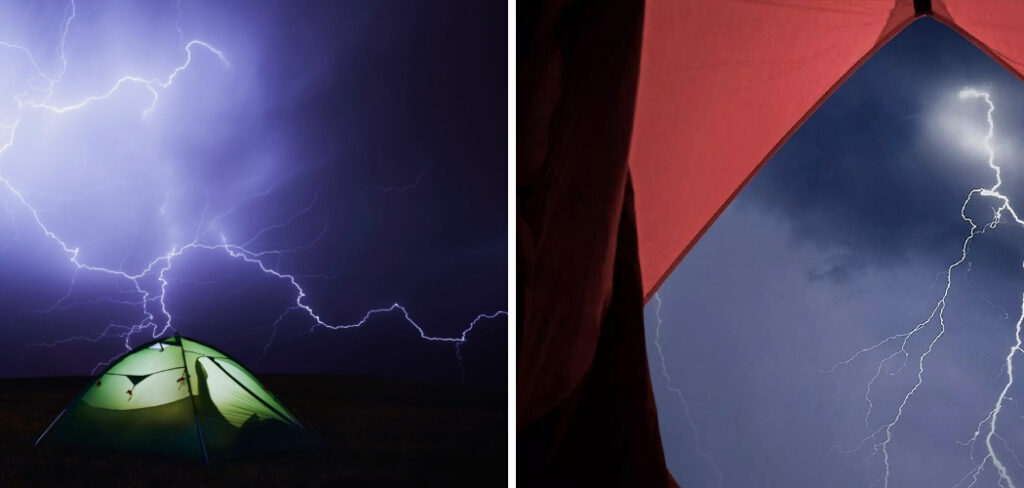
Learning how to protect yourself from lightning when hiking gives you the confidence to read the weather, make smart choices, and get to safety before the first bolt strikes. You don’t need fancy gear or years of experience—just a few reliable habits and a calm head. This guide walks you through everything a first-time hiker needs to stay safe when thunderstorms roll in.
Why Lightning Safety Matters for Hikers and Campers
Lightning kills and injures more people in open outdoor settings than most other weather events, and hikers are especially exposed. When you’re on a summit, an open meadow, or a treeless ridge, you can become the tallest object around—exactly what lightning tends to find.
For campers and outdoor beginners, understanding lightning strike risk isn’t optional. Mountain weather changes fast, and afternoon thunderstorms are common in many hiking regions during summer. Knowing when to turn back, where to shelter, and how to lower your profile can be the difference between a good story and a medical emergency.
This skill also builds broader trail sense. Once you learn to watch the sky, you become a safer, more aware hiker in every condition.
Tools and Materials You’ll Need
You don’t need much to stay prepared, but a few key items make a real difference on the trail.
- Weather app or NOAA radio to check forecasts and incoming storms before and during your hike
- Watch or phone to time the gap between lightning and thunder
- Waterproof rain jacket to stay dry and warm while sheltering
- Trekking poles you can quickly set aside since metal attracts less concern than open ground, but you’ll still want them out of your hands
- Foam sleeping pad or pack to insulate yourself from the ground during the lightning crouch
- Map and compass to identify lower-elevation escape routes
- Optional: a small satellite messenger or personal locator beacon for emergency communication when you’re deep in the backcountry
Keep these accessible, not buried at the bottom of your pack.
8 Step-by-Step Guide on How to Protect Yourself from Lightning When Hiking
Step 1 – Check the Forecast Before You Leave
Your safety starts at home, long before your boots hit the dirt. Pull up a detailed mountain weather forecast the night before and again the morning of your hike. Look for the chance of thunderstorms, wind, and the timing of any storm cells.
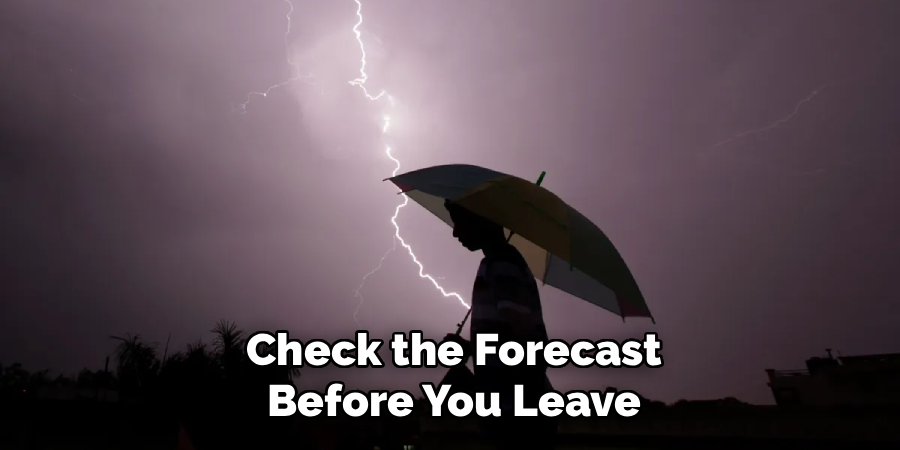
In many alpine areas, storms build in the early afternoon as heat rises. If the forecast shows a 40% chance of thunderstorms by 2 p.m., plan to be off exposed terrain well before then. Knowing how to protect yourself from lightning when hiking begins with a simple habit: never treat the forecast as an afterthought. A few minutes of research can reshape your entire route and turn-around time.
Step 2 – Start Early and Set a Turnaround Time
Early starts are your best friend in storm season. Cool morning air is usually calm and clear, while afternoons often bring towering clouds and rumbling skies. By hitting the trail at dawn, you give yourself a wide safety margin.
Set a firm turnaround time and honor it, even if the summit feels tantalizingly close. Write it down or tell your hiking partner so you’re accountable. Many rescues happen because hikers push for the peak while a storm gathers behind them. A summit will always be there another day, but your safety window won’t. Discipline about timing keeps you out of the most dangerous window entirely.
Step 3 – Watch the Sky Throughout Your Hike
Keep your eyes up as you move. Tall, cauliflower-shaped clouds that grow rapidly and darken at the base signal building thunderstorms. Notice sudden temperature drops, gusty winds, or the smell of rain—these often arrive minutes before lightning.
Listen, too. A distant rumble carries far in the mountains, and it’s your earliest warning to start planning. Don’t wait for the storm to feel close. If clouds are stacking up over a nearby peak, assume the weather is coming your way. Staying alert lets you act early, while you still have time and options rather than scrambling in a panic once the sky opens up.
Step 4 – Use the 30-30 Rule
The 30-30 rule is a simple safety timer. When you see a flash of lightning, count the seconds until you hear thunder. If that gap is 30 seconds or less, the storm is within about six miles—close enough to strike your location.
At that point, seek shelter immediately. Then wait at least 30 minutes after the last thunder before heading back out, since lightning can strike well after the rain moves on. This waiting period frustrates many hikers, but it saves lives. Learning how to protect yourself from lightning when hiking means respecting that clock even when the sun peeks back out too soon.
Step 5 – Descend to Lower Ground Fast
If a storm is closing in, get down. Elevation is the enemy during a thunderstorm, so leave summits, ridgelines, and exposed saddles quickly but carefully. Head toward lower terrain, valleys, or dense, uniform forest.
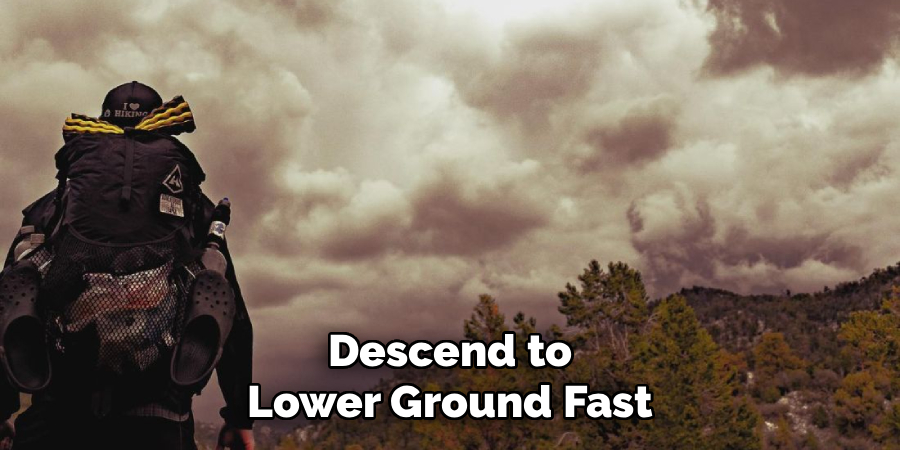
Avoid becoming the tallest object in an open area, and stay away from lone trees, which draw strikes. Move with purpose, watching your footing on wet rock and loose scree. Rushing carelessly can cause a fall, so balance speed with control. The goal is simple: put distance between yourself and the high, open ground where lightning strike risk is greatest. Every hundred feet you descend improves your odds.
Step 6 – Avoid Water, Metal, and Open Fields
Lightning loves conductive paths, so keep away from lakes, streams, and wet meadows during a storm. Water and saturated ground spread electrical current, widening the danger zone around any strike.
Set metal objects aside a short distance from you—trekking poles, external frame packs, and tent poles included. Skip open fields, cliff edges, and shallow caves or overhangs, which offer false safety and can channel ground current. Instead, look for a low, protected spot among trees of even height. Spacing yourself away from tall, isolated features dramatically reduces your exposure and helps you stay off the path a bolt is most likely to follow.
Step 7 – Assume the Lightning Crouch Position
When lightning is imminent and you have no better shelter, use the lightning crouch. Squat low on the balls of your feet with your heels touching, keeping your feet close together to minimize ground contact.
Wrap your arms around your knees, tuck your head down, and cover your ears against the thunder. If you have a foam pad or a dry pack, crouch on it to insulate yourself from the ground. Never lie flat, since that increases contact with dangerous ground current. Stay in this position until the immediate threat passes. It’s uncomfortable, but it’s a last-resort posture designed to lower your profile and reduce injury.
Step 8 – Spread Out From Your Group
If you’re hiking with others, don’t huddle together during a storm. Spread out so there’s at least 50 to 100 feet between each person while everyone holds the crouch position.
This spacing matters because if lightning strikes nearby, keeping distance prevents a single bolt or its ground current from injuring your whole group at once. It also means someone stays able to give first aid or call for help. Agree on this plan before the storm hits, so no one panics or clusters instinctively. Stay within sight if you can, and regroup only once the 30-minute all-clear window has fully passed.
Common Mistakes Hikers Make During Thunderstorms
The biggest mistake beginners make is ignoring the forecast and starting too late. They set out under blue skies at midmorning, unaware that afternoon heat will spark violent storms right as they reach an exposed summit. By then, retreat is dangerous and slow.
Another frequent error is sheltering under a lone tree or in a shallow cave. It feels protective, but tall isolated trees attract strikes, and overhangs can carry deadly ground current straight through your body. These false shelters give hikers a dangerous sense of security.
Many people also underestimate distance. They see lightning miles away and keep climbing, assuming they have time. Storms move fast in the mountains, and that gap closes quicker than expected. Using the 30-30 rule prevents this misjudgment.
Finally, hikers often head back out too soon. The rain stops, the sun returns, and they abandon shelter—only for a final strike to hit from the departing cell. Lightning can travel several miles from its parent storm, so cutting the 30-minute wait short remains one of the most avoidable and deadly mistakes on the trail.
Expert Tips
Seasoned hikers plan routes with escape options in mind. Before you go, identify where you can quickly drop below tree line or reach a valley, so you’re never trapped high with nowhere to run.
Trust your gut over your goals. If the sky looks wrong, turn around early—experienced hikers rarely regret a cautious call. Carry a lightweight foam pad even on day hikes; it doubles as insulation during a crouch and a comfortable rest seat.
Finally, practice reading clouds on calm days. The more familiar you are with how storms build in your local mountains, the faster you’ll recognize real danger. Building this weather awareness slowly makes every future hike safer and far less stressful.
Frequently Asked Questions
How far away is lightning still dangerous?
Lightning can strike up to about 10 miles from the center of a storm, which is often beyond the rain. That’s why hearing thunder at all means you’re within striking range. If the gap between a flash and thunder is 30 seconds or less, seek shelter immediately and stay protected until the danger clearly passes.
Is it safe to shelter under a tree during a storm?
No, sheltering under a tree is dangerous, especially if it’s tall or isolated. Lightning tends to strike the highest object, and current can jump from the tree to you or travel through the ground. If you’re in a forest, choose a spot among shorter trees of uniform height and crouch low, away from trunks.
Should I get rid of my trekking poles in a storm?
Yes, set metal trekking poles aside a short distance from you. While the metal itself won’t necessarily attract lightning, holding tall objects raises your profile and can increase risk. Lay them on the ground several feet away, then move to lower terrain or assume the lightning crouch until the storm safely moves on.
How long should I wait before hiking again?
Wait at least 30 minutes after you hear the last thunder before resuming your hike. Storms often produce late strikes even as skies clear, and lightning can reach miles ahead of visible rain. Cutting this window short is a common, deadly mistake. Use the time to rest, refuel, and recheck the weather before moving.
What should I do if someone is struck by lightning?
Act immediately, because lightning victims carry no electrical charge and are safe to touch. Call for emergency help, then check breathing and pulse. Begin CPR if needed, since many strike victims suffer cardiac arrest but can be revived. Move the person to safer ground if lightning still threatens, and keep them warm while awaiting rescue.
Conclusion
Lightning is a serious mountain hazard, but it’s one you can manage with knowledge and good habits. The key takeaways are simple: check the forecast, start early, watch the sky, and act fast when storms build. Use the 30-30 rule, descend from high ground, avoid water and lone trees, and assume the crouch position only as a last resort.
None of this requires expensive gear—just awareness, discipline, and the willingness to turn back when the weather turns. Those choices protect you far more than any single tool in your pack.
Now that you understand how to protect yourself from lightning when hiking, you can head into the backcountry with real confidence. Storms will still roll in, but you’ll know how to read them and respond calmly. So plan your next adventure, respect the mountain weather, and make safety part of your routine. The summit will always wait—your job is to enjoy the trail and come home ready for the next one.

About Caleb
Caleb Merritt is a Virginia-based outdoor writer and gear analyst who has spent over a decade sleeping on the ground, crossing mountain passes, and obsessively shaving grams off his pack weight. He holds a Bachelor of Science in Environmental Science from James Madison University, where he also served as president of the university’s outdoor recreation club. After graduating, he spent three years as a wilderness educator with a backcountry youth program in the Shenandoah Valley — teaching Leave No Trace ethics, backcountry navigation, and campcraft — before moving into full-time writing in 2018.
His work focuses on one core belief: the best gear is the gear you understand. Whether he’s doing a side-by-side weight comparison of ultralight shelters or writing a beginner’s guide to building a sub-20-lb base weight kit, Caleb writes with the same directness you’d expect from a trusted trail partner. He has logged more than 4,000 miles across iconic routes including the John Muir Trail, the Wind River Range, Vermont’s Long Trail, and the Collegiate Peaks Loop in Colorado.
Areas of Expertise
- Ultralight backpacking systems and base weight optimization
- Tent, tarp, and shelter testing across three-season and shoulder-season conditions
- Sleeping bag and quilt temperature rating verification
- Backpacking nutrition, meal planning, and calorie-per-ounce analysis
- Leave No Trace principles and wilderness ethics
- Campfire safety, bear country protocols, and water treatment methods
- Gear care, repair, and long-term durability assessment
Education
James Madison University — B.S. in Environmental Science, 2015
During his time at JMU, Caleb served as President of the Outdoor Recreation Club, where he planned and led more than 30 backcountry trips annually across the Blue Ridge Mountains and Appalachian Trail corridor. The role sharpened his ability to assess gear performance under real conditions, manage group safety in remote environments, and develop the kind of practical trail knowledge that no classroom can teach.
Professional Experience
Gear Writer & Senior Contributor — [campeox.com]
Produces in-depth gear reviews, buyer’s guides, and how-to content across backpacking, camping, and ultralight hiking categories. Tests all gear in real field conditions before publishing recommendations.
Wilderness Educator & Trip Leader — Shenandoah Backcountry Youth Program — 2015–2018 Led multi-day backcountry expeditions for teens and young adults throughout Shenandoah National Park and George Washington National Forest. Taught LNT principles, orienteering, first aid awareness, and campcraft fundamentals.
Outdoor Recreation Club President — James Madison University — 2013–2015 Organized and led university-sponsored hiking, backpacking, and camping trips in the Blue Ridge Mountains and Appalachian Trail corridor. Managed club budget, safety protocols, and trip logistics for a membership of 120+ students.
Editorial Standards
Every piece of gear Caleb recommends has been personally tested in the field — not just unboxed and described. His review process includes a minimum of two overnight trips per shelter, a full-season evaluation for sleep systems, and side-by-side comparisons wherever possible. He does not accept payment for positive reviews. Affiliate relationships, where they exist, are always disclosed in accordance with FTC guidelines.
All factual claims about gear specifications, trail distances, and safety recommendations are cross-referenced against manufacturer data sheets and established sources such as the Leave No Trace Center for Outdoor Ethics and the American Hiking Society before publication.