Winter weather does not have to ruin your weekend plans or keep you locked indoors. Many beginners step into the chilly air and immediately regret their lack of preparation. You might feel the frost biting at your fingers or a deep chill settling into your bones. However, understanding the fundamentals of body heat retention changes everything.
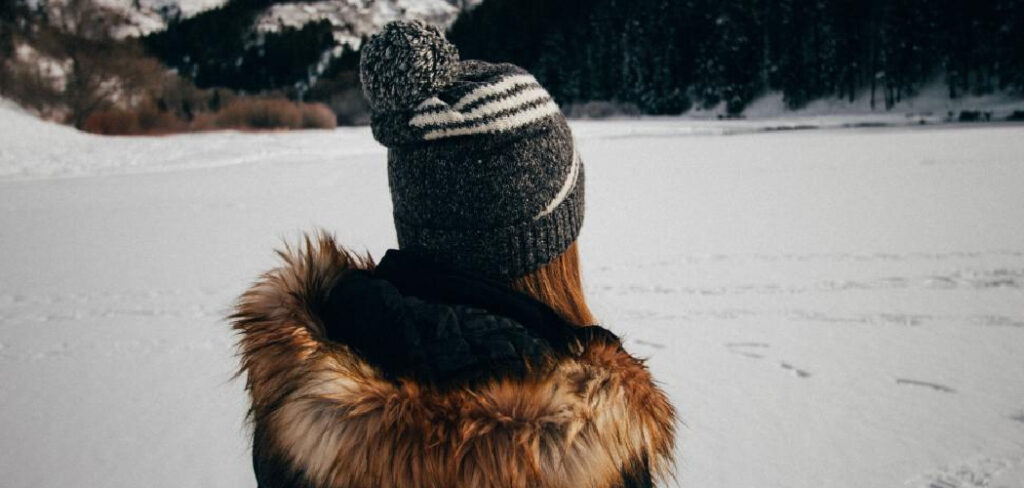
Knowing exactly how to keep warm outside transforms a miserable, freezing trip into a highly comfortable adventure. You can enjoy crisp morning hikes and snowy evening campfires without shivering uncontrollably. The secret lies in preparation, proper clothing layers, and smart environmental awareness.
We built this comprehensive resource to walk you through the exact methods for trapping body heat and blocking the cold. This beginner-friendly guide provides a clear approach to help you master outdoor warmth so you can confidently explore any chilly environment safely.
Why Staying Warm Matters
Learning thermal regulation is an essential survival skill for campers and outdoor beginners. Cold temperatures pull energy away from your body at an alarming rate. When your core temperature drops, your decision-making abilities slow down and physical fatigue sets in rapidly.
You quickly lose the physical dexterity needed to pitch a tent, strike a match, or cook a hot meal. Furthermore, prolonged exposure without proper insulation leads to severe medical conditions like hypothermia and frostbite. Managing your body heat preserves your stamina and keeps your mind remarkably sharp during wilderness excursions.
Staying comfortable also completely shifts your mental mindset. Instead of counting the minutes until you can go back indoors, you actually appreciate the surrounding natural beauty. Mastering this vital skill gives you the ultimate freedom to camp, hike, and explore year-round with total confidence.
Tools and Materials
Proper gear makes a massive difference when fighting low temperatures. Before you head into the wilderness, gather these essential items to build a reliable cold-weather kit. Having the right equipment prevents the harsh environment from stealing your body heat.
- Moisture-wicking thermal base layers (merino wool or synthetic fabrics)
- Insulating mid-layers (heavy fleece jackets or thick wool sweaters)
- A windproof and waterproof outer shell jacket
- Insulated, weather-resistant outdoor pants
- Warm seamless woolen socks
- Insulated, waterproof winter boots with a wide toe box
- A thick fleece beanie or insulated winter trapper hat
- Insulated gloves or heavy-duty snow mittens
- A closed-cell foam sleeping pad to block ground cold
- A cold-weather rated mummy sleeping bag
- An insulated thermos filled with hot tea or soup (optional convenience item)
8 Step-by-Step Guide on How to Keep Warm Outside
Step 1 – Build a Solid Base Layer
Moisture is your absolute biggest enemy when temperatures plummet. Your first layer of clothing must pull sweat away from your skin immediately. Put on a high-quality base layer made from merino wool or synthetic moisture-wicking materials.
Avoid cotton garments completely, as cotton absorbs sweat and holds freezing moisture directly against your skin. You want the fabric to fit snugly without restricting your movement or cutting off your blood flow. This tight fit traps a tiny layer of warm air right next to your body.
When you start hiking or setting up camp, your body naturally produces sweat. A good base layer pushes that dampness outward toward the next clothing level. Keeping your skin completely dry is the foundation of comfort in freezing weather.
Step 2 – Add Effective Insulating Layers
Once your base layer is secure, you need to actively trap the heat your body naturally generates. Add a mid-layer designed specifically for insulation, like a thick fleece pullover or a down vest. This layer captures warm air and keeps it close to your core.
If the temperature drops further, you can double up on mid-layers by wearing a light fleece under a heavier wool sweater. The air trapped between these distinct garments provides incredible warmth. Finding the best combination of layers is a key part of learning how to keep warm outside during long wilderness trips.
Always choose garments with long zippers. This allows you to quickly vent out excess heat if you start sweating during a strenuous climb.
Step 3 – Block the Wind and Wet
A biting winter wind strips away your trapped body heat in seconds. You must wear a robust outer shell over your insulating layers to block harsh gusts and freezing rain. Look for jackets and pants made from modern materials treated with durable water repellent coatings.
The outer shell should fit loosely enough to avoid compressing the fluffy insulation underneath it. If you compress your down jacket with a tight rain shell, you squeeze out the trapped warm air.
Seal your cuffs tightly using velcro straps and cinch the elastic hem at your waist. Blocking out drafts ensures the bitter cold stays completely separated from your cozy, warm internal microclimate.
Step 4 – Protect Your Extremities
Your body instinctively prioritizes warming your vital organs by pulling blood away from your hands and feet. You must combat this natural process by aggressively insulating your extremities. Pull on thick, seamless wool socks, ensuring they do not bunch up inside your boots.
Tight footwear restricts circulation and guarantees freezing toes, so always wear boots with a roomy toe box. Cover your head and ears with a heavy beanie to prevent crucial heat from escaping upward.
For your hands, choose thick mittens over fingered gloves whenever possible. Mittens allow your fingers to share radiant heat, creating a tiny oven for your hands while you navigate the snowy trails.
Step 5 – Consume High-Calorie Foods
Your internal furnace requires massive amounts of heavy fuel to generate heat in freezing temperatures. Snacking constantly throughout the day keeps your resting metabolism running at a high rate. Pack foods loaded with complex carbohydrates, healthy fats, and dense proteins to sustain your energy levels.
Mixed nuts, chunks of dark chocolate, and heavy granola bars make excellent trail fuel. Your body literally shivers to create heat, and shivering burns through your caloric reserves rapidly.
Do not wait until you feel hungry to eat a heavy meal. Treat food as firewood for your internal heating system. Eating a dense, fatty snack right before crawling into your sleeping bag keeps your core incredibly warm throughout the night.
Step 6 – Stay Hydrated with Warm Fluids
Dehydration thickens your blood, making it much harder for your heart to pump warmth out to your fingers and toes. People often forget to drink water when the weather gets cold because they do not feel naturally thirsty. Force yourself to take regular sips throughout your outdoor adventure to maintain optimal circulation.
Drinking freezing water lowers your core temperature, so carry an insulated thermos filled with hot water, tea, or broth. A warm beverage delivers immediate thermal comfort straight to your core.
Heating up water over a camp stove gives you a comforting ritual and significantly boosts your internal temperature. Sip warm fluids continuously to stay properly hydrated and physically comfortable all day.
Step 7 – Keep Your Body Moving
Physical activity generates massive amounts of internal heat very quickly. When you start feeling a chill creep into your shoulders, get up and move around the campsite. Do twenty jumping jacks, gather heavy firewood, or take a brisk walk down the trail.
You want to stimulate blood flow and generate warmth without working so hard that you break a sweat. Sweating is incredibly dangerous in cold weather, so pace your physical exertion carefully.
Figuring out how to keep warm outside requires constantly balancing your physical activity level with your clothing choices. If you feel yourself getting too hot, shed your outer layer immediately to cool down. Use gentle, consistent movement to revive your internal furnace whenever you feel cold.
Step 8 – Insulate Yourself from the Ground
The frozen earth drains heat from your body much faster than the frigid winter air does. Sitting or sleeping directly on the cold ground will ruin your trip, regardless of how many winter coats you wear. Always place a thick thermal barrier between your body and the dirt.
Carry a closed-cell foam sitting pad for rest breaks on snowy logs or icy rocks. When sleeping in a tent, you must use an insulated sleeping pad with a high thermal resistance rating.
The pad prevents the freezing soil from conducting heat directly out of your back. Creating a solid thermal break between you and the earth guarantees you retain the precious body heat you worked hard to generate.
Common Mistakes
Many beginners make critical errors that compromise their safety and comfort in cold weather. The absolute most frequent mistake is wearing cotton clothing, particularly cotton socks and t-shirts. Cotton acts exactly like a sponge, absorbing sweat and holding icy moisture directly against the skin, which rapidly drops your core temperature.
Another massive error involves wearing too many pairs of socks at once. Shoving two or three pairs of thick wool socks into a stiff winter boot completely cuts off blood circulation to the toes. Without warm blood flowing to your extremities, your feet will freeze regardless of the insulation amount.
Overdressing right before a strenuous hike is another common trap. Beginners often start a trail wearing their heaviest winter coat, leading to profuse sweating within the first mile. When they stop to rest, that trapped sweat instantly cools, causing a dangerous, rapid chill. You should start your hike feeling slightly cold, allowing your natural body heat to warm you up as you move.
Finally, many campers ignore ground insulation completely. They purchase incredibly expensive sleeping bags but use cheap, uninsulated air mattresses. Without a proper thermal barrier, the frozen ground simply steals all their body heat through conduction.
Expert Tips
Seasoned winter campers employ a few clever tricks to maximize their comfort in harsh conditions. One brilliant technique involves filling a durable, hard-plastic water bottle with boiling water right before bedtime. Wrap the hot bottle tightly in a spare wool sock and toss it into the bottom of your sleeping bag.
This simple trick acts as a personal space heater for your feet that lasts for several hours. Additionally, experts always keep a spare set of dedicated sleeping clothes completely dry in a waterproof bag.
You should absolutely never sleep in the damp clothing you wore while hiking. Finally, sleep with your extra clothing stuffed around the empty spaces in your sleeping bag to reduce the volume of cold air your body has to heat up.
Frequently Asked Questions
Does drinking alcohol help warm you up?
Drinking alcohol actually lowers your core body temperature, despite the initial warming sensation it provides. Alcohol causes your blood vessels to dilate, moving warm blood away from your internal organs and pushing it toward your skin. This causes you to lose crucial heat much faster to the surrounding cold air. You should strictly stick to hot teas and soups.
Why are mittens warmer than gloves?
Mittens keep your hands much warmer than gloves because they force your fingers to share the same enclosed space. Your fingers naturally radiate heat, and a mitten traps that collective warmth in one single pocket of air. Gloves separate your fingers, isolating them and exposing more surface area to the freezing temperatures outside.
How should a winter coat fit?
Your outer winter shell should fit loosely enough to comfortably accommodate a thick base layer and a puffy mid-layer underneath. If your jacket feels overly tight, it will compress the insulating materials and destroy their ability to trap warm air. However, the jacket should feature adjustable cords to seal out icy drafts at the waist.
What is the best material for winter socks?
Merino wool remains the absolute best material for winter outdoor socks. This incredible natural fiber traps massive amounts of body heat while actively wicking sweat away from your skin. Even if merino wool gets slightly damp from snow, it continues to insulate and protect your feet. You should completely avoid wearing cotton socks.
Can you get too warm while outside?
You can easily overheat if you wear too many heavy layers during intense physical activity. Sweating excessively is highly dangerous because the moisture eventually freezes against your skin when you stop moving. You must proactively manage your temperature by shedding jackets or opening ventilation zippers the moment you feel yourself starting to sweat.
Conclusion
Spending time in freezing temperatures does not have to be an exercise in suffering. By understanding the science of layering, prioritizing dry fabrics, and fueling your internal furnace, you can enjoy stunning snowy landscapes in absolute comfort. Remember that managing your physical temperature is an active, ongoing process.
You must continuously monitor your sweat levels, adjust your ventilation zippers, and snack frequently to maintain your bodily energy. Once you master how to keep warm outside, a whole new world of exciting winter exploration opens up to you. You will no longer feel confined to the indoors from November to March.
Grab your thermal base layers, pack plenty of calorie-dense trail snacks, and head out into the crisp, refreshing air. With these tested techniques in your toolkit, you are fully prepared to face the cold weather and create unforgettable outdoor memories. Stay active, stay dry, and confidently embrace the wild winter environment.

About Caleb
Caleb Merritt is a Virginia-based outdoor writer and gear analyst who has spent over a decade sleeping on the ground, crossing mountain passes, and obsessively shaving grams off his pack weight. He holds a Bachelor of Science in Environmental Science from James Madison University, where he also served as president of the university’s outdoor recreation club. After graduating, he spent three years as a wilderness educator with a backcountry youth program in the Shenandoah Valley — teaching Leave No Trace ethics, backcountry navigation, and campcraft — before moving into full-time writing in 2018.
His work focuses on one core belief: the best gear is the gear you understand. Whether he’s doing a side-by-side weight comparison of ultralight shelters or writing a beginner’s guide to building a sub-20-lb base weight kit, Caleb writes with the same directness you’d expect from a trusted trail partner. He has logged more than 4,000 miles across iconic routes including the John Muir Trail, the Wind River Range, Vermont’s Long Trail, and the Collegiate Peaks Loop in Colorado.
Areas of Expertise
- Ultralight backpacking systems and base weight optimization
- Tent, tarp, and shelter testing across three-season and shoulder-season conditions
- Sleeping bag and quilt temperature rating verification
- Backpacking nutrition, meal planning, and calorie-per-ounce analysis
- Leave No Trace principles and wilderness ethics
- Campfire safety, bear country protocols, and water treatment methods
- Gear care, repair, and long-term durability assessment
Education
James Madison University — B.S. in Environmental Science, 2015
During his time at JMU, Caleb served as President of the Outdoor Recreation Club, where he planned and led more than 30 backcountry trips annually across the Blue Ridge Mountains and Appalachian Trail corridor. The role sharpened his ability to assess gear performance under real conditions, manage group safety in remote environments, and develop the kind of practical trail knowledge that no classroom can teach.
Professional Experience
Gear Writer & Senior Contributor — [campeox.com]
Produces in-depth gear reviews, buyer’s guides, and how-to content across backpacking, camping, and ultralight hiking categories. Tests all gear in real field conditions before publishing recommendations.
Wilderness Educator & Trip Leader — Shenandoah Backcountry Youth Program — 2015–2018 Led multi-day backcountry expeditions for teens and young adults throughout Shenandoah National Park and George Washington National Forest. Taught LNT principles, orienteering, first aid awareness, and campcraft fundamentals.
Outdoor Recreation Club President — James Madison University — 2013–2015 Organized and led university-sponsored hiking, backpacking, and camping trips in the Blue Ridge Mountains and Appalachian Trail corridor. Managed club budget, safety protocols, and trip logistics for a membership of 120+ students.
Editorial Standards
Every piece of gear Caleb recommends has been personally tested in the field — not just unboxed and described. His review process includes a minimum of two overnight trips per shelter, a full-season evaluation for sleep systems, and side-by-side comparisons wherever possible. He does not accept payment for positive reviews. Affiliate relationships, where they exist, are always disclosed in accordance with FTC guidelines.
All factual claims about gear specifications, trail distances, and safety recommendations are cross-referenced against manufacturer data sheets and established sources such as the Leave No Trace Center for Outdoor Ethics and the American Hiking Society before publication.