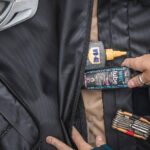
Quick answer: The best method for how to wash a bomber jacket depends entirely on the material. Machine wash nylon and polyester on a delicate, cold cycle. Hand wash wool in cold water with gentle detergent. Never submerge leather or suede; spot clean these materials and use professional dry cleaning services.
Bomber jackets carry a rich history that started with the United States Army Aviation Clothing Board in 1917. Originally designed to insulate World War I fighter pilots in freezing, unheated open-air cockpits, these heavy-duty flight jackets eventually evolved into a modern streetwear staple. Today, fashion brands construct them from a massive variety of delicate and durable materials.

Understanding proper garment care is essential to protecting your clothing investment. Improper washing techniques easily lead to irreversible shrinkage, severe color fading, or permanent fabric damage. A one-size-fits-all laundry approach simply does not work for complex outerwear.
This comprehensive guide decodes manufacturer care labels and provides specific cleaning instructions for every common jacket material. You will learn the exact steps for safely removing stubborn stains, machine washing synthetic shells, hand washing wool, treating delicate leather, and storing your garments to ensure they last a lifetime.
What Are The Different Types Of Bomber Jacket Materials?
Every bomber jacket features distinct components like ribbed cuffs, metal zippers, inner linings, and specific outer shell materials. Identifying your jacket’s primary fabric is the mandatory first step before applying any water or cleaning solution.
Choose a nylon or polyester jacket if you want easy machine-washability and high water resistance. These synthetic fibers dominate modern outerwear because they offer a muscle-like ability to stretch and recover.
Choose traditional leather or suede if you want long-lasting durability and superior wind protection, but accept that these materials require specialized manual cleaning. Original flight jackets utilized heavy leather and shearling linings specifically to trap body heat.
Choose wool or wool-blend outerwear if you prioritize natural insulation and breathability. Wool requires delicate hand washing to prevent the natural animal fibers from felting or shrinking.
How Do You Prepare A Bomber Jacket For Washing?
You must always read the manufacturer’s care label before attempting any cleaning method. The care label dictates the exact water temperature, cycle speed, and drying method safe for your specific garment. Look for symbols indicating “machine wash gentle,” “hand wash only,” or “dry clean only.”
Physical preparation protects the outer shell from friction damage during the cleaning process. Empty every pocket completely to prevent rogue items like pens or lip balm from destroying the fabric. Zip up the front closure, fasten all metal snaps, and button the pockets.
Turn the jacket completely inside out. This simple action protects the exterior finish from scraping against the washing machine drum or your washing basin.
Always test any new cleaning solution or stain remover on a small, hidden area of the jacket interior first. Wait ten minutes to verify the chemical does not cause color bleeding or discoloration.
How Do You Spot Clean A Bomber Jacket For Minor Stains?
Spot cleaning allows you to remove minor blemishes without subjecting the entire garment to a full wash cycle. Frequent full washes degrade fabric fibers over time, so spot cleaning extends the overall lifespan of your outerwear.
Treat oil and grease stains immediately using dry powders. Sprinkle cornstarch or baking soda directly onto the fresh oil stain. Let the powder sit for 30 minutes to absorb the grease, then gently brush it away with a soft-bristled brush.
Treat dirt and food stains using a mild detergent solution. Mix one cup of warm water with one teaspoon of gentle dish soap. Dip a clean white microfiber cloth into the solution and gently dab the stained area. Do not rub vigorously. Rubbing forces the stain deeper into the fabric fibers.
Clean dirty ribbed cuffs and collars using a targeted enzyme cleaner. Apply the cleaner to the elastic areas, let it sit for ten minutes, and blot away the dirt with a damp cloth.
What Is The Safest Way To Machine Wash A Nylon Bomber Jacket?
You can safely machine wash synthetic outerwear using cold water and a delicate cycle. If you are wondering how to wash a bomber jacket made of nylon, the washing machine is your best tool provided you follow strict temperature limits.
Place your fully prepped, inside-out jacket into a large mesh laundry bag. The mesh bag prevents the metal zippers and ribbed cuffs from snagging on the machine agitator.
Load the mesh bag into the washing machine and add a mild, non-biological liquid detergent. Do not use powder detergents because they often fail to dissolve completely in cold water and leave white residue on dark synthetic fabrics.
Select the “delicate” or “hand wash” cycle on your machine. Set the water temperature to cold or cool (never exceeding 30 degrees Celsius or 86 degrees Fahrenheit). Set the spin cycle to the lowest possible speed to prevent the nylon from developing deep, permanent wrinkles.
Never use liquid fabric softeners or chlorine bleach. Fabric softeners leave a waxy coating that breaks down synthetic fibers and strips away the factory water-resistant coatings. Bleach permanently discolors nylon and weakens the structural integrity of the seams. Remove the garment from the machine immediately after the cycle finishes to minimize wrinkling.
Can You Wash A Leather Bomber Jacket At Home?
Keep leather outerwear completely away from washing machines and submerged water. Submerging genuine leather strips away the natural tanning oils, causing the animal hide to shrink, warp, and crack as it dries.
Clean the leather exterior manually using a damp cloth and a specialized leather cleaner. Apply a dime-sized drop of leather cleaner to a soft microfiber cloth. Gently wipe down the jacket in smooth, circular motions, focusing on areas with visible dirt or water spots.
Wipe away any residual cleaner using a separate cloth lightly dampened with clean water. Dry the surface immediately with a third dry towel.
Condition the leather immediately after cleaning to restore lost moisture. Apply a premium leather conditioner using a soft sponge, working it into the hide evenly. Conditioning prevents the leather from drying out and maintains its supple, flexible texture.
For deep, set-in stains, ink marks, or heavy odors trapped in the inner lining, you must take the jacket to a professional dry cleaner who specializes in leather goods.
How Do You Hand Wash A Wool Bomber Jacket Properly?
Hand washing is the only safe home method for cleaning wool outerwear. People often ask how to wash a bomber jacket constructed from wool blends without causing shrinkage, and the answer requires manual labor and a clean bathtub.
Clean your bathtub or a large plastic storage bin thoroughly to ensure no bleach or household chemical residue remains. Fill the tub with lukewarm or cold water. Add two tablespoons of a gentle wool-specific wash or mild baby shampoo. Swish the water around to dissolve the detergent completely.
Submerge the jacket into the soapy water. Press it down gently to ensure the wool fibers become completely saturated. Allow the garment to soak undisturbed for exactly 30 minutes.
Return to the tub and gently squeeze the soapy water through the fabric using your hands. Pay special attention to the underarms and collar. Do not twist, wring, or aggressively scrub the wool. Vigorous agitation causes the microscopic scales on the wool fibers to lock together, permanently felting and shrinking the jacket.
Drain the soapy water from the tub. Refill the tub with clean, cold water. Submerge the jacket and press gently to rinse out the detergent. Repeat this draining and refilling process until the water runs completely clear and no soap bubbles remain.
Lift the heavy, wet jacket from the water, supporting its entire weight from the bottom so the shoulders do not stretch. Gently squeeze the water out from the top down.
What Are The Best Methods For Cleaning A Suede Bomber Jacket?
Suede requires a completely dry cleaning approach because water permanently stains and flattens the textured nap of the leather.
Use a dedicated suede brush to remove loose surface dirt and restore the fabric’s texture. Brush the suede gently in one consistent direction to lift dust out of the fibers.
Erase dry scuff marks and minor blemishes using a suede eraser. Rub the eraser directly over the scuff mark just like you would erase pencil lead from paper. Once the mark disappears, use the suede brush to blend the treated area back in with the surrounding nap.
Spot-clean shearling or fur-lined collars using a lightly damp cloth. Dab the shearling gently to remove surface oils from your neck, but do not let the underlying leather skin get wet.
Apply a premium suede protector spray at the beginning of every season. Hold the spray can six inches away and apply an even coat to repel water and prevent future liquid stains from setting into the porous hide.
How Should You Dry A Bomber Jacket To Prevent Shrinkage?
Always air dry your outerwear flat on a clean towel. Never place a bomber jacket in a mechanical tumble dryer. High heat melts synthetic nylon fibers, radically shrinks natural wool, and permanently ruins the chemical structure of leather.
Lay two large, dry bath towels flat on the floor or a large table. Place your freshly washed, damp jacket flat on top of the towels. Smooth out the arms and body to their natural shape to prevent deep wrinkles from forming.
Roll the towels and the jacket up together tightly, like a sleeping bag. Press down on the rolled bundle firmly to force the excess water out of the jacket and into the dry towels. Unroll the bundle immediately.
Transfer the jacket to a new set of dry towels. Lay it perfectly flat in a well-ventilated room. Avoid placing the drying garment in direct sunlight. Strong ultraviolet rays cause severe color fading and degrade synthetic fibers over time. Allow the jacket to air dry completely, which typically takes 24 to 48 hours depending on the material thickness.
How Do You Store A Bomber Jacket To Make It Last Longer?
Store your garments on wide, padded wooden hangers in a cool, dry, climate-controlled closet. Proper storage during the off-season prevents mold growth, mildew odors, and permanent structural deformities.
Never use thin wire hangers. The heavy weight of the jacket pulls down against the thin wire, creating permanent, ugly indentations in the shoulder material. Wide wooden hangers distribute the weight evenly and preserve the tailored shoulder structure.
Place the jacket inside a breathable cotton garment bag before hanging it in the closet. Breathable cotton protects the fabric from household dust and insect damage while allowing trapped moisture to escape. Never store outerwear inside sealed plastic dry-cleaning bags. Plastic traps humidity and accelerates mold growth, especially on leather and suede surfaces.
Maintain the hardware by lubricating sticky metal zippers with natural beeswax or a specialized zipper lubricant. Rub the wax lightly along the zipper teeth to ensure a smooth pull and avoid tearing the surrounding fabric.
Revive the ribbed cuffs and elastic waistbands using a battery-powered fabric shaver. Gently run the shaver over the elastic bands to remove friction pilling and make the trim look brand new.
Protect Your Outerwear Investment For Decades
Taking the time to clean and store your bomber jackets correctly pays off immensely. By adhering strictly to the manufacturer’s care label, matching your cleaning method to the specific textile, and avoiding mechanical dryers at all costs, you preserve the fit and finish of your garments. A well-maintained jacket provides reliable warmth and timeless style year after year.
Frequently Asked Questions
What is the most common mistake people make when figuring out how to wash a bomber jacket?
The most common mistake is ignoring the care label and throwing the garment into a hot wash cycle with heavy spin. High water temperatures melt synthetic fibers and shrink natural wool, while fast spin cycles stretch out the elastic cuffs and permanently distort the jacket’s shape.
Can I dry clean a nylon or polyester bomber jacket?
You generally do not need to dry clean synthetic jackets. Standard dry cleaning chemicals can sometimes degrade the water-repellent coatings applied to nylon and polyester. Machine washing on a cold, delicate cycle at home is safer and much more cost-effective for synthetic outerwear.
How often should I wash my outerwear?
Wash your jacket only once or twice a season unless it becomes visibly soiled or develops a strong odor. Jackets do not sit directly against your skin like a t-shirt, so they absorb less body sweat. Over-washing accelerates fabric wear and fades dyes faster.
How do I re-waterproof my nylon jacket after washing it?
Restore your jacket’s water resistance by applying a specialized wash-in or spray-on waterproofing treatment, such as Nikwax. If using a spray, hang the clean, dry jacket in a ventilated area and apply an even coat of the spray from six inches away. Allow it to air dry completely before wearing.

About Caleb
Caleb Merritt is a Virginia-based outdoor writer and gear analyst who has spent over a decade sleeping on the ground, crossing mountain passes, and obsessively shaving grams off his pack weight. He holds a Bachelor of Science in Environmental Science from James Madison University, where he also served as president of the university’s outdoor recreation club. After graduating, he spent three years as a wilderness educator with a backcountry youth program in the Shenandoah Valley — teaching Leave No Trace ethics, backcountry navigation, and campcraft — before moving into full-time writing in 2018.
His work focuses on one core belief: the best gear is the gear you understand. Whether he’s doing a side-by-side weight comparison of ultralight shelters or writing a beginner’s guide to building a sub-20-lb base weight kit, Caleb writes with the same directness you’d expect from a trusted trail partner. He has logged more than 4,000 miles across iconic routes including the John Muir Trail, the Wind River Range, Vermont’s Long Trail, and the Collegiate Peaks Loop in Colorado.
Areas of Expertise
- Ultralight backpacking systems and base weight optimization
- Tent, tarp, and shelter testing across three-season and shoulder-season conditions
- Sleeping bag and quilt temperature rating verification
- Backpacking nutrition, meal planning, and calorie-per-ounce analysis
- Leave No Trace principles and wilderness ethics
- Campfire safety, bear country protocols, and water treatment methods
- Gear care, repair, and long-term durability assessment
Education
James Madison University — B.S. in Environmental Science, 2015
During his time at JMU, Caleb served as President of the Outdoor Recreation Club, where he planned and led more than 30 backcountry trips annually across the Blue Ridge Mountains and Appalachian Trail corridor. The role sharpened his ability to assess gear performance under real conditions, manage group safety in remote environments, and develop the kind of practical trail knowledge that no classroom can teach.
Professional Experience
Gear Writer & Senior Contributor — [Your Website Name]
Produces in-depth gear reviews, buyer’s guides, and how-to content across backpacking, camping, and ultralight hiking categories. Tests all gear in real field conditions before publishing recommendations.
Wilderness Educator & Trip Leader — Shenandoah Backcountry Youth Program — 2015–2018 Led multi-day backcountry expeditions for teens and young adults throughout Shenandoah National Park and George Washington National Forest. Taught LNT principles, orienteering, first aid awareness, and campcraft fundamentals.
Outdoor Recreation Club President — James Madison University — 2013–2015 Organized and led university-sponsored hiking, backpacking, and camping trips in the Blue Ridge Mountains and Appalachian Trail corridor. Managed club budget, safety protocols, and trip logistics for a membership of 120+ students.
Editorial Standards
Every piece of gear Caleb recommends has been personally tested in the field — not just unboxed and described. His review process includes a minimum of two overnight trips per shelter, a full-season evaluation for sleep systems, and side-by-side comparisons wherever possible. He does not accept payment for positive reviews. Affiliate relationships, where they exist, are always disclosed in accordance with FTC guidelines.
All factual claims about gear specifications, trail distances, and safety recommendations are cross-referenced against manufacturer data sheets and established sources such as the Leave No Trace Center for Outdoor Ethics and the American Hiking Society before publication.