Picture yourself three days deep into a mountain trail, pack on your back, legs feeling strong, and the summit finally in view. That moment doesn’t happen by accident. It comes from smart preparation and steady effort in the weeks before you set out.
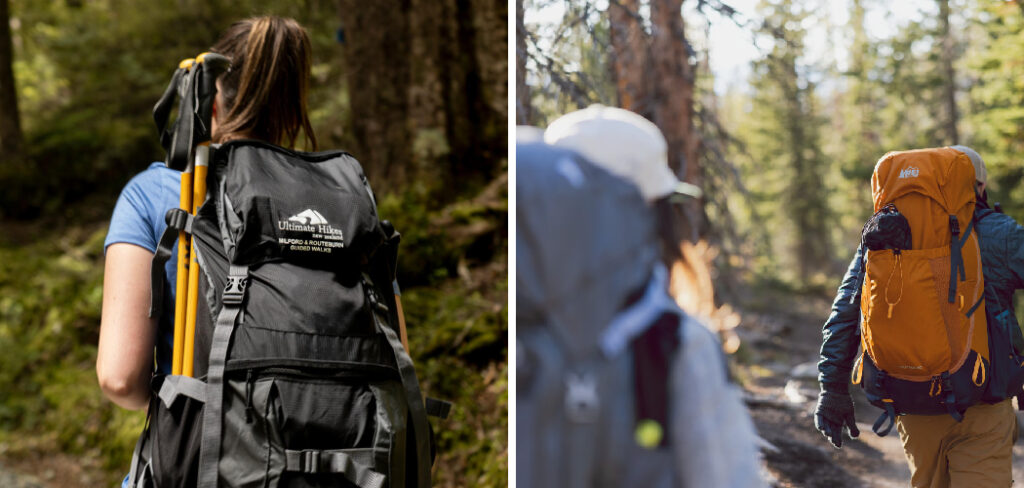
If you’ve never tackled a long trek, learning how to train for multi day hiking can feel overwhelming, but it’s far simpler than you might expect. You don’t need to be an athlete. You just need a plan, some patience, and the willingness to build your body up one step at a time. This guide walks you through everything a first-time hiker needs to prepare physically and mentally for consecutive days on the trail.
Why Training for Long Treks Matters
Multi day hikes demand more from your body than a casual afternoon walk. You’re carrying weight, covering miles, and asking your legs to recover overnight so they can do it all again tomorrow. Without preparation, that reality hits hard, and blisters, fatigue, and sore joints can turn a dream trip into a miserable slog.
Training changes everything. When you build backpacking endurance ahead of time, you protect yourself from injury and enjoy the scenery instead of counting the minutes until camp. For beginners and campers especially, good trail conditioning means you finish each day with energy to spare. You’ll sleep better, eat better, and actually remember the adventure fondly rather than as something you barely survived.
Tools and Materials You’ll Need
Before you begin, gather a few essentials that will make your preparation smoother and more realistic.
- A properly fitted backpack — the same one you plan to use on the trail
- Sturdy hiking boots — broken in well before your trip
- Moisture-wicking socks — to prevent blisters during long training walks
- Weight to load your pack — water bottles, sandbags, or books work fine
- A water bottle or hydration bladder — practice drinking on the move
- Trekking poles — to reduce strain on your knees and improve balance
- A fitness tracker or simple notebook — to log distance and progress
- A foam roller (optional) — handy for easing muscle tightness on recovery days
Having the right gear early lets you train under conditions close to the real thing.
8 Step-by-Step Guide on How to Train for Multi Day Hiking
Step 1 – Build Your Base Cardio Fitness
Start by strengthening your heart and lungs, because cardiovascular endurance carries you through long climbs and endless miles. Aim for three or four sessions a week of brisk walking, jogging, cycling, or swimming.

Keep the effort moderate at first. You should be able to hold a conversation without gasping. As the weeks pass, gradually add time until you can sustain 45 to 60 minutes comfortably.
Your goal here isn’t speed. It’s stamina. Feel your breathing settle into a steady rhythm and notice how your legs stop complaining after the first mile. That growing ease is proof your engine is getting stronger, and it forms the foundation everything else builds upon.
Step 2 – Strengthen Your Legs and Core
Strong muscles protect your joints and keep you steady over uneven ground. Focus on movements that mirror hiking, like squats, lunges, step-ups, and calf raises.
Add core work too. Planks and bird-dogs build the stability you need to balance a loaded pack on rocky descents. Train these muscle groups two or three times each week.
You don’t need a gym. Bodyweight exercises at home work beautifully when you’re starting out. As you progress, hold weights or wear your pack to increase the challenge. Feel your thighs burn on that final lunge, and trust that the discomfort now means confidence later when the trail turns steep.
Step 3 – Practice Walking With a Loaded Pack
Nothing prepares you for carrying weight like actually carrying weight. Loaded pack training teaches your shoulders, hips, and back to handle the load your gear will demand.
Begin light, around 10 percent of your body weight. Walk your usual route and pay attention to how the straps sit and where pressure builds. Adjust the fit until the weight rests on your hips, not your shoulders.
Each week, add a little more. Feel the pack settle against your spine and notice your posture shift to compensate. This slow buildup is a core part of how to train for multi day hiking, because your body adapts best when you challenge it gradually rather than all at once.
Step 4 – Increase Your Hiking Distance Gradually
Now stretch your legs on real trails. Distance training builds the endurance you’ll rely on when the miles pile up day after day.
Follow the ten percent rule. Increase your weekly mileage by no more than ten percent to avoid overuse injuries. If you walked eight miles this week, aim for roughly nine next week.

Choose routes that mimic your goal terrain. Feel your feet find their rhythm on packed dirt, hear the crunch of gravel underfoot, and let your mind wander into that easy hiking trance. These longer outings teach your body to keep moving even when the initial excitement fades and fatigue sets in.
Step 5 – Train on Hills and Elevation
Flat walking only takes you so far. Real trails climb and drop, and your muscles need to know both.
Seek out hills, stairs, or a treadmill set on an incline. Uphill sections build power and lung capacity, while downhill stretches teach your knees to absorb impact safely.
Push hard on the climbs until your calves burn and your breath quickens. Then focus on control during descents, keeping your steps short and your core engaged. This dual challenge sharpens your trail conditioning in ways flat ground never can, and it prepares you for the relentless ups and downs that define most multi day routes.
Step 6 – Simulate Back-to-Back Hiking Days
Long treks test your recovery as much as your fitness. To prepare, schedule two demanding hikes on consecutive days.
Walk a solid distance on Saturday, rest overnight, then head out again Sunday morning. Notice how your legs feel that second day, stiff at first, then loosening as you warm up.
This practice teaches your body to bounce back and shows you what real fatigue feels like before you’re miles from the trailhead. It also reveals gear problems and hot spots early. Learning how to train for multi day hiking means rehearsing the actual demands you’ll face, and nothing replicates trail life like stacking hard days together.
Step 7 – Dial In Nutrition and Hydration
Fuel powers performance. During training, practice eating and drinking the way you will on the trail.
Snack on trail mix, energy bars, or dried fruit during long walks to keep your energy steady. Sip water regularly rather than gulping it all at once, and add electrolytes on hot days.
Pay attention to what sits well in your stomach while you move. Some foods that taste great at rest feel heavy when you’re climbing. Experiment now so there are no surprises later. Feeling that steady flow of energy across a long afternoon tells you your fueling strategy is working and ready for the real adventure.
Step 8 – Prioritize Rest and Recovery
Muscles grow stronger during rest, not during effort. Build recovery days into your schedule so your body can repair and adapt.
Take at least one or two easy days each week. Gentle stretching, foam rolling, and quality sleep all speed the process. Listen to your body, and if a nagging ache lingers, ease off rather than push through.
Rest isn’t laziness. It’s part of the plan. Feel your muscles soften and your energy return after a proper day off. This balance between challenge and recovery keeps you healthy, motivated, and steadily improving right up until your departure date.
Common Mistakes Beginners Make When Training
Even eager hikers stumble into the same traps, and knowing them ahead of time saves you pain and frustration.
The most frequent error is doing too much too soon. Excitement pushes people to add miles and weight rapidly, and their joints and tendons rebel. Shin splints, knee pain, and burnout often follow. Progress slowly and your body thanks you.
Another mistake is training only on flat, easy ground. Your local park path feels comfortable, but it won’t prepare you for steep climbs and rocky descents. Seek out varied terrain that matches your goal trail.
Many beginners also neglect their pack during training. Walking without weight is far easier than walking loaded, so hiking fitness built without a pack leaves you unprepared. Always train with the load you plan to carry.
Finally, people skip recovery and ignore small pains. Pushing through a minor twinge often turns it into a serious injury. Rest, stretch, and address hot spots early. Respecting these principles keeps your long-distance trekking dreams on track.
Expert Tips
Break in your boots long before your trip, ideally over 30 to 50 miles of walking. Fresh boots on day one almost guarantees blisters. Wear the exact socks you’ll hike in so your feet adapt to the whole system.
Train in bad weather too. Rain and wind on the trail are inevitable, and practicing in them builds mental toughness and reveals gear gaps. Test your rain jacket before you need it.
Finally, keep a simple training log. Tracking distance, weight, and how you felt helps you spot patterns and adjust smartly. Small, consistent gains beat occasional heroic efforts every single time.
Frequently Asked Questions
How long does it take to train for a multi day hike?
Most beginners need eight to twelve weeks of consistent preparation. If you’re already active, you might need less, while someone starting from scratch may want a full three months. The key is steady, gradual progress rather than cramming. Give yourself enough time to build endurance safely and to break in your gear before the trip.
How much weight should I train with?
Start with about 10 percent of your body weight and build up gradually. Aim to eventually train with roughly the same weight you’ll carry on the trail, usually 20 to 30 pounds for a multi day trip. Adding weight slowly protects your joints and lets your muscles adapt without triggering injury or excessive soreness.
Do I need a gym membership to prepare?
Not at all. Bodyweight exercises like squats, lunges, and planks build plenty of strength at home. For cardio, walking, jogging, and hiking cost nothing. A loaded backpack replaces most gym weights nicely. A gym can help, but it’s entirely optional for solid trail conditioning and hiking fitness.
How many days a week should I train?
Aim for four to five active days each week, mixing cardio, strength, and actual hiking. Include at least one or two rest days so your body recovers and adapts. Consistency matters more than intensity, so a steady routine you can maintain beats occasional exhausting sessions that leave you too sore to continue.
What if I feel pain during training?
Distinguish normal muscle soreness from sharp or persistent pain. General achiness after a workout is fine and fades within a day or two. Sharp, localized, or lingering pain signals a problem, so rest and reduce your load. If it doesn’t improve within a few days, see a healthcare professional before continuing.
Conclusion
Preparing for a long trek doesn’t require magic, just commitment and a smart plan. By building cardiovascular endurance, strengthening your legs and core, walking with a loaded pack, and respecting rest, you set yourself up to enjoy every mile instead of enduring it. Add hill work, back-to-back training days, and solid nutrition, and you’ll arrive at the trailhead genuinely ready.
Remember that progress comes from patience. Small, steady gains stack up into real strength over the weeks. Avoid the common mistakes, listen to your body, and trust the process even on days when motivation dips.
Now you understand how to train for multi day hiking, and the trail is waiting. Lace up your boots, load your pack, and take that first training walk today. Every step you take now brings you closer to standing on that summit, strong and confident, ready for whatever the adventure throws your way. Your future hiking self will thank you.

About Caleb
Caleb Merritt is a Virginia-based outdoor writer and gear analyst who has spent over a decade sleeping on the ground, crossing mountain passes, and obsessively shaving grams off his pack weight. He holds a Bachelor of Science in Environmental Science from James Madison University, where he also served as president of the university’s outdoor recreation club. After graduating, he spent three years as a wilderness educator with a backcountry youth program in the Shenandoah Valley — teaching Leave No Trace ethics, backcountry navigation, and campcraft — before moving into full-time writing in 2018.
His work focuses on one core belief: the best gear is the gear you understand. Whether he’s doing a side-by-side weight comparison of ultralight shelters or writing a beginner’s guide to building a sub-20-lb base weight kit, Caleb writes with the same directness you’d expect from a trusted trail partner. He has logged more than 4,000 miles across iconic routes including the John Muir Trail, the Wind River Range, Vermont’s Long Trail, and the Collegiate Peaks Loop in Colorado.
Areas of Expertise
- Ultralight backpacking systems and base weight optimization
- Tent, tarp, and shelter testing across three-season and shoulder-season conditions
- Sleeping bag and quilt temperature rating verification
- Backpacking nutrition, meal planning, and calorie-per-ounce analysis
- Leave No Trace principles and wilderness ethics
- Campfire safety, bear country protocols, and water treatment methods
- Gear care, repair, and long-term durability assessment
Education
James Madison University — B.S. in Environmental Science, 2015
During his time at JMU, Caleb served as President of the Outdoor Recreation Club, where he planned and led more than 30 backcountry trips annually across the Blue Ridge Mountains and Appalachian Trail corridor. The role sharpened his ability to assess gear performance under real conditions, manage group safety in remote environments, and develop the kind of practical trail knowledge that no classroom can teach.
Professional Experience
Gear Writer & Senior Contributor — [campeox.com]
Produces in-depth gear reviews, buyer’s guides, and how-to content across backpacking, camping, and ultralight hiking categories. Tests all gear in real field conditions before publishing recommendations.
Wilderness Educator & Trip Leader — Shenandoah Backcountry Youth Program — 2015–2018 Led multi-day backcountry expeditions for teens and young adults throughout Shenandoah National Park and George Washington National Forest. Taught LNT principles, orienteering, first aid awareness, and campcraft fundamentals.
Outdoor Recreation Club President — James Madison University — 2013–2015 Organized and led university-sponsored hiking, backpacking, and camping trips in the Blue Ridge Mountains and Appalachian Trail corridor. Managed club budget, safety protocols, and trip logistics for a membership of 120+ students.
Editorial Standards
Every piece of gear Caleb recommends has been personally tested in the field — not just unboxed and described. His review process includes a minimum of two overnight trips per shelter, a full-season evaluation for sleep systems, and side-by-side comparisons wherever possible. He does not accept payment for positive reviews. Affiliate relationships, where they exist, are always disclosed in accordance with FTC guidelines.
All factual claims about gear specifications, trail distances, and safety recommendations are cross-referenced against manufacturer data sheets and established sources such as the Leave No Trace Center for Outdoor Ethics and the American Hiking Society before publication.