There is something truly magical about gathering around a warm, crackling flame as the evening air turns crisp. You have gathered your friends, prepared the snacks, and successfully struck that first match. However, watching those beautiful flames slowly sputter and die out just a few minutes later can feel incredibly frustrating.
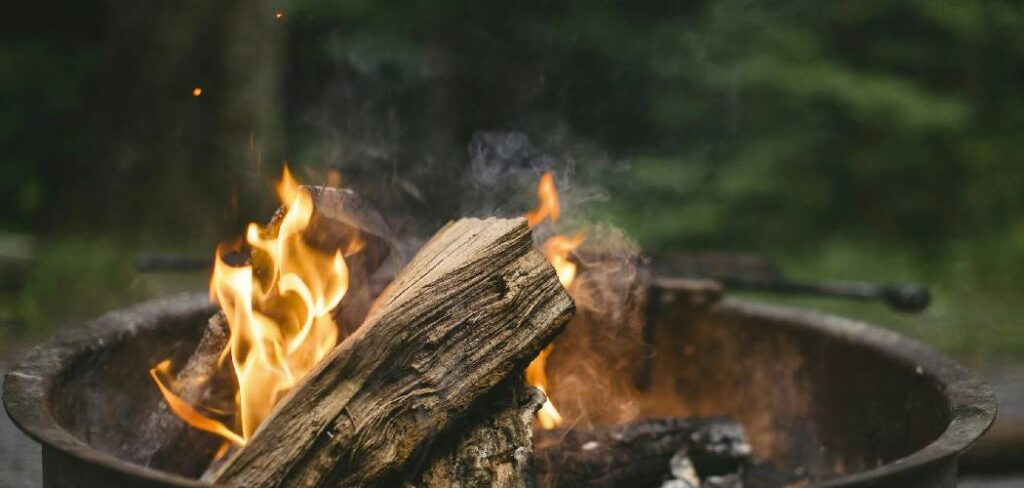
Learning how to keep a fire going in a fire pit is an essential outdoor skill that transforms a brief spark into an entire evening of comfort and glowing embers. Managing the wood, oxygen, and heat requires a little bit of patience and some basic knowledge of fire science. You do not need to be an expert survivalist to master this enjoyable process. This guide provides a clear, step-by-step approach to help beginners build, feed, and maintain a robust fire all night long.
Why Mastering Fire Pit Maintenance Matters
Understanding the mechanics behind a lasting burn elevates your entire outdoor experience. For campers and backyard enthusiasts alike, a steady fire provides essential warmth when temperatures drop after sunset. It also serves as the natural centerpiece for social gatherings, drawing people together for conversations, storytelling, and roasting marshmallows.
When you learn the rhythm of feeding a flame, you eliminate the constant stress of relighting smoking, smoldering logs. A well-maintained fire burns much cleaner, producing significantly less smoke to irritate your guests’ eyes. Furthermore, managing your fuel efficiently means you will use less wood throughout the evening, saving you both time and money. Developing this foundational outdoor skill builds immense confidence, ensuring you can comfortably host backyard gatherings or manage campsite evenings without constantly worrying about losing your heat source.
Tools and Materials You’ll Need
Before striking a match, you must gather the right supplies. Having everything within arm’s reach prevents you from abandoning a fragile, newly lit flame to search for more wood. Prepare the following essentials:
- Tinder: Dry, highly flammable materials like newspaper, dry leaves, or commercial fire starters to catch the initial spark.
- Kindling: Small twigs and thin branches (about the thickness of a pencil) that ignite quickly and build initial heat.
- Fuel Wood: Split, seasoned hardwood logs like oak, hickory, or ash for long, sustained burning.
- Ignition Source: Long-reach matches or a reliable windproof lighter to safely start the fire.
- Fire Poker: A long metal tool used to safely shift burning logs and adjust airflow without getting too close to the heat.
- Optional Item: A manual fire bellows or a blowpipe. This convenient tool allows you to direct concentrated oxygen right into the core of the embers to revive a fading flame quickly.
Step-by-Step Guide on How to Keep a Fire Going in a Fire Pit
Step 1 – Choose the Right Seasoned Wood
The foundation of a great fire always starts with your fuel selection. You must use dry, seasoned wood if you want a clean, sustained burn. Seasoned wood has been split and left to dry for at least six months, reducing its internal moisture content significantly.
When you strike two pieces of seasoned wood together, they should produce a sharp, hollow ringing sound rather than a dull thud. Avoid green, freshly cut wood at all costs, as the trapped water will continuously boil off, stealing heat and generating thick, heavy smoke. Hardwoods like oak, maple, and birch are your best options for the main fuel. They burn much slower and hotter than softwoods like pine, ensuring you do not have to constantly throw new logs onto the flames.
Step 2 – Prepare Your Fire Pit Base
Before arranging any wood, take a moment to inspect the bottom of your fire pit. You want to clear out excessive amounts of old, compacted ash from previous fires, as a massive pile can block crucial air circulation from the bottom.
However, you should leave a thin, one-inch layer of dry ash at the very bottom of the bowl. This shallow layer acts as excellent insulation, reflecting heat upward and providing a soft bed for new coals to settle into. Ensure the drainage holes in your metal fire pit remain completely uncovered so oxygen can flow freely beneath the wood. Creating a clean, properly ventilated staging area guarantees your initial flames will receive the fresh air they desperately need to grow.
Step 3 – Arrange the Tinder and Kindling
Structure matters immensely when building your initial fire layout. Begin by placing a generous handful of your dry tinder loosely in the absolute center of your fire pit. You want it fluffy, not tightly compressed, so oxygen can weave through the fibers.
Next, build a small structure with your kindling over the tinder. Many people prefer the classic teepee shape, leaning small twigs against each other to form a cone. This vertical orientation allows the flames to climb naturally upward. Ensure you leave a small “doorway” in your kindling structure facing the direction the wind is blowing. This strategic opening acts as a funnel, directing a gentle breeze straight into your tinder to help fan the initial spark into a healthy blaze.
Step 4 – Ignite the Core Carefully
With your materials arranged, it is time to introduce the flame. Always light your fire from the bottom, specifically targeting the tinder resting at the base of your structure. Heat rises, so starting at the lowest point ensures the flames will naturally travel upward to consume the kindling above it.
Apply your lighter or match to several different sides of the tinder bundle to promote an even, balanced burn. Step back slightly and watch the fire take hold. You will hear a light crackle as the thin twigs catch fire. Resist the urge to immediately poke or adjust the structure. The newly born fire is incredibly fragile at this stage, and shifting the wood too early can easily collapse your carefully built teepee and smother the small flames.
Step 5 – Feed the Flames Gradually
Once your kindling is burning brightly and collapsing inward, you must begin adding slightly larger pieces of wood. You cannot simply throw massive logs onto a delicate fire and expect it to survive. Transition slowly by introducing branches roughly the thickness of your wrist.
Place these medium-sized pieces gently over the burning kindling, being careful not to crush the core. Figuring out how to keep a fire going in a fire pit requires immense patience during this specific transition phase. Allow these medium branches to catch fire completely and begin turning black and cracked. They need time to generate enough residual heat to support the heavy hardwood logs you will add later. Rushing this step is the most common reason early fires fail.
Step 6 – Establish a Hot Coal Bed
The true secret to a long-lasting fire lies entirely in the coal bed. Flames provide the visual appeal, but the glowing, red-hot embers at the bottom generate the sustained, intense heat required to ignite larger logs.
As your medium-sized branches burn down, they will break apart and form this crucial layer of coals. Use your fire poker to push these glowing pieces toward the center, creating a concentrated mound of extreme heat. You want this bed to look like a pile of bright orange gems. Until you have a solid, thick layer of these embers, your fire will remain vulnerable to sudden gusts of wind or slight drops in temperature. Nurture this coal bed by keeping it densely packed together.
Step 7 – Transition to Larger Fuel Logs
Now that you have a powerful, glowing foundation, you can safely introduce your heavy hardwood logs. Choose one or two split logs and place them carefully over the coal bed.
Do not drop them flat directly onto the embers, as this can instantly block the upward flow of oxygen and temporarily suffocate the fire. Instead, rest the new logs at a slight angle, perhaps leaning one upon another or resting one end on a smaller, unburned piece of wood. This creates a small gap underneath, allowing air to rush in and sweep over the hot coals. Within a few minutes, the intense heat radiating from the bottom will dry out the outer layer of the new logs, and they will burst into steady, beautiful flames.
Read More: How to Find Firewood While Camping
Step 8 – Manage Airflow and Oxygen
Fire requires three things to survive: heat, fuel, and oxygen. As your large logs burn, they will inevitably shift, settle, and occasionally block the air pathways.
When you notice the flames shrinking while the wood remains unburned, oxygen starvation is usually the culprit. Take your fire poker and gently lift or separate the logs. You want to create small gaps, about an inch or two wide, between the pieces of wood. If the fire seems incredibly sluggish, use your bellows or blowpipe to deliver a gentle, steady stream of air directly into the base of the coals. You will immediately see the embers glow brighter and the flames reignite. Proper spacing is just as important as the wood itself.
Step 9 – Monitor the Weather and Add Wood
As the evening progresses, you must stay attentive to the condition of your fuel and the surrounding environment. Check the fire pit every twenty to thirty minutes.
When you see a log has burned down to about half its original size, it is time to add another piece of wood. Placing a new log next to an actively burning one helps the fresh wood catch fire much faster. Understanding how to keep a fire going in a fire pit also means adapting to the wind. If the breeze picks up, you might need to place your new logs closer together to protect the fragile core from blowing out. Conversely, on a completely still night, you should space the wood further apart to maximize air circulation.
Step 10 – Maintain a Safe Perimeter
While tending to the flames, you must continuously practice good fire safety habits. As logs pop and crackle, they will frequently eject small, glowing sparks outside the immediate burning area.
Keep a close eye on the ground surrounding your fire pit. Brush away any dry leaves, stray napkins, or dropped kindling that might have accumulated near the edge of the bowl. Make sure your seating arrangement remains at a safe, comfortable distance, especially as you add larger logs that increase the overall heat output. Periodically use your poker to push any escaping embers back into the center bowl. Keeping a tidy workspace not only prevents accidental fires but also ensures you have clear, safe access to manage the wood throughout the night.
Common Mistakes When Managing a Fire Pit
Many beginners unknowingly sabotage their own fires by making a few predictable errors. The absolute most frequent mistake is adding far too much wood all at once. Piling five or six heavy logs onto a small flame acts like a heavy wet blanket. It instantly chokes off all the oxygen, trapping the heat underneath and causing the fire to smoke heavily before dying completely. You must respect the steady, gradual process of building heat.
Another major error involves constantly poking and prodding the wood. While occasional adjustments are necessary for airflow, obsessively hitting the logs shatters the delicate coal bed into tiny, isolated pieces that quickly lose their heat. You have to let the fire do its natural work.
Finally, people often fail to prepare enough wood before starting. Leaving your fire unattended to hunt for more logs in the dark usually means returning to a cold, smoldering pit. Once a fire loses its core temperature, bringing it back to life takes twice as much effort as maintaining it properly in the first place.
Expert Tips for a Long-Lasting Burn
To truly elevate your fire pit experience, try pre-warming your replacement logs. Simply place the next piece of wood you intend to use on the outer metal edge of your fire pit, or safely near the radiant heat. This gently bakes the wood, evaporating any lingering surface moisture and raising its core temperature so it ignites almost instantly when finally added to the flames.
Additionally, master the “log cabin” stacking method for your main fuel. Place two logs parallel to each other, then place two more logs perpendicularly on top of them, creating a square shape. This specific architectural structure naturally pulls cold air from the bottom, heats it up, and shoots it out the top, creating a beautiful, roaring draft that requires almost zero maintenance.
Read More: How to Make a Fire With Rocks
Frequently Asked Questions
What type of wood burns the longest in a fire pit?
Dense hardwoods like oak, hickory, ash, and maple are the absolute best choices for a long-lasting fire. Because their cellular structure is incredibly tightly packed, they consume slower and generate significantly more heat than softwoods. Always ensure your hardwood is fully seasoned and completely dry before throwing it into the flames.
Why does my fire pit produce so much smoke?
Excessive smoke almost always points to moisture or a lack of oxygen. If your wood is green, wet, or unseasoned, the water inside boils and creates thick smoke. Alternatively, if you pack the logs too tightly together, the fire cannot breathe. Spacing the wood out usually clears up a smoky fire immediately.
How often should I add new wood to the fire?
You should generally add a new log every thirty to forty-five minutes, depending on the size of the wood and the intensity of the heat. Wait until the current logs have burned down significantly and a strong, glowing coal bed is visible beneath them before introducing fresh fuel.
Can I use leaves and yard debris to keep it going?
You should strongly avoid throwing massive piles of dead leaves, grass clippings, or general yard waste into your fire pit. These materials ignite very violently, create immense amounts of floating ash, and generate thick, noxious smoke. Stick strictly to proper tinder, clean kindling, and seasoned split wood.
How do I safely put the fire out when I am done?
Never leave a fire pit to burn out entirely on its own while unattended. Spread the remaining logs and coals out with your poker to cool them down. Gently sprinkle water over the embers until the hissing stops completely. Stir the wet ashes to ensure no hidden hot spots remain underneath.
Conclusion
Mastering the elements of heat, fuel, and oxygen takes a little bit of practice, but the reward is absolutely worth the effort. By starting with thoroughly dry wood, carefully building your initial structure, and patiently nurturing your coal bed, you guarantee a bright, warm centerpiece for your evening. Remember to manage your airflow wisely and resist the temptation to smother the flames with too many logs at once.
Now that you know how to keep a fire going in a fire pit, you can confidently invite your friends over, set up the comfortable chairs, and enjoy the night without frustration. The next time the sun sets and the air turns chilly, grab your tinder, build that perfect teepee, and watch your outdoor space transform into a cozy, inviting retreat. Happy burning!

About Caleb
Caleb Merritt is a Virginia-based outdoor writer and gear analyst who has spent over a decade sleeping on the ground, crossing mountain passes, and obsessively shaving grams off his pack weight. He holds a Bachelor of Science in Environmental Science from James Madison University, where he also served as president of the university’s outdoor recreation club. After graduating, he spent three years as a wilderness educator with a backcountry youth program in the Shenandoah Valley — teaching Leave No Trace ethics, backcountry navigation, and campcraft — before moving into full-time writing in 2018.
His work focuses on one core belief: the best gear is the gear you understand. Whether he’s doing a side-by-side weight comparison of ultralight shelters or writing a beginner’s guide to building a sub-20-lb base weight kit, Caleb writes with the same directness you’d expect from a trusted trail partner. He has logged more than 4,000 miles across iconic routes including the John Muir Trail, the Wind River Range, Vermont’s Long Trail, and the Collegiate Peaks Loop in Colorado.
Areas of Expertise
- Ultralight backpacking systems and base weight optimization
- Tent, tarp, and shelter testing across three-season and shoulder-season conditions
- Sleeping bag and quilt temperature rating verification
- Backpacking nutrition, meal planning, and calorie-per-ounce analysis
- Leave No Trace principles and wilderness ethics
- Campfire safety, bear country protocols, and water treatment methods
- Gear care, repair, and long-term durability assessment
Education
James Madison University — B.S. in Environmental Science, 2015
During his time at JMU, Caleb served as President of the Outdoor Recreation Club, where he planned and led more than 30 backcountry trips annually across the Blue Ridge Mountains and Appalachian Trail corridor. The role sharpened his ability to assess gear performance under real conditions, manage group safety in remote environments, and develop the kind of practical trail knowledge that no classroom can teach.
Professional Experience
Gear Writer & Senior Contributor — [campeox.com]
Produces in-depth gear reviews, buyer’s guides, and how-to content across backpacking, camping, and ultralight hiking categories. Tests all gear in real field conditions before publishing recommendations.
Wilderness Educator & Trip Leader — Shenandoah Backcountry Youth Program — 2015–2018 Led multi-day backcountry expeditions for teens and young adults throughout Shenandoah National Park and George Washington National Forest. Taught LNT principles, orienteering, first aid awareness, and campcraft fundamentals.
Outdoor Recreation Club President — James Madison University — 2013–2015 Organized and led university-sponsored hiking, backpacking, and camping trips in the Blue Ridge Mountains and Appalachian Trail corridor. Managed club budget, safety protocols, and trip logistics for a membership of 120+ students.
Editorial Standards
Every piece of gear Caleb recommends has been personally tested in the field — not just unboxed and described. His review process includes a minimum of two overnight trips per shelter, a full-season evaluation for sleep systems, and side-by-side comparisons wherever possible. He does not accept payment for positive reviews. Affiliate relationships, where they exist, are always disclosed in accordance with FTC guidelines.
All factual claims about gear specifications, trail distances, and safety recommendations are cross-referenced against manufacturer data sheets and established sources such as the Leave No Trace Center for Outdoor Ethics and the American Hiking Society before publication.