Whether you are hitting rugged camping trails or navigating busy airport terminals, your favorite patterned travel bag goes through a lot. Over time, dirt, sweat, and unexpected spills can turn those vibrant floral prints into a dull, messy sight. Knowing how to maintain your gear is crucial for any frequent traveler or outdoor beginner.
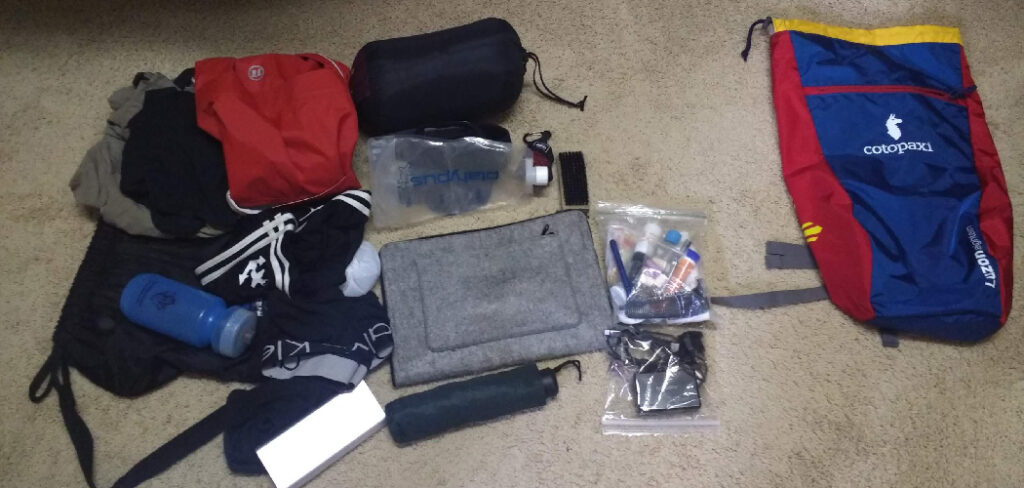
Many people worry about ruining the soft quilted fabric in the laundry, but the cleaning process is actually quite straightforward if you follow the right methods. In this guide, we will break down exactly how to wash vera bradley backpack materials without damaging the beautiful colors or the structural integrity of your favorite travel companion. Read on to learn the safest techniques to get your essential gear looking fresh and ready for your next big adventure.
Why You Should Regularly Clean Your Travel Gear
Taking your bag on weekend camping trips and cross-country flights exposes it to an immense amount of dust, bacteria, and grime. Over time, these unseen particles wear down the cotton fibers, leading to fraying and premature aging. A clean bag does not just look better; it lasts significantly longer, saving you money in the long run.
Regular maintenance also protects your health, as luggage picked up from dirty camp site grounds or public transit floors can harbor germs you do not want to bring into your home. Properly cleaning your quilted bags revives the bright, iconic patterns that likely drew you to the brand in the first place. By setting aside just a little time for proper care, you ensure your essential travel gear stays functional, sanitary, and stylish for years of upcoming journeys.
8 Step-by-Step Guide on How to Wash Vera Bradley Backpack
Step 1: Empty Every Pocket and Compartment
Before water ever touches your fabric, you must remove absolutely everything from inside the bag. Check the main interior space, the front zipper pockets, and the side water bottle holders. Beginners often forget to check the hidden security compartments, which can hide loose change, old camping receipts, or ink pens. A forgotten pen can burst during the cleaning process, completely ruining the quilted fabric with permanent stains. Take a moment to shake the bag upside down over a trash can to remove loose dirt, pine needles, or crumbs. Thorough preparation ensures nothing gets damaged inside the washing machine.
Step 2: Remove Stiff Base Boards and Inserts
Many quilted bags feature a solid, stiff piece of cardboard or plastic located at the very bottom of the main compartment. This base board gives the luggage its flat, sturdy shape. You must remove this insert before you begin the washing process. If the base board is made of cardboard, water will completely destroy it, leaving you with a warped and lumpy bottom. Gently feel the interior lining for a small slit or opening, then slide the stiff board out and set it aside. You can simply wipe this piece down with a lightly damp cloth later.
Step 3: Spot Clean Heavy Stains and Dirt
Camping trips and outdoor travel frequently result in stubborn mud stains or food spills that a standard wash cycle might miss. Before moving to the machine, take a few minutes to pre-treat these highly soiled areas. Apply a small dab of stain remover or a mixture of gentle soap and water directly to the blemishes. Use a soft-bristled toothbrush or a clean cloth to gently massage the soap into the cotton fabric. Avoid scrubbing aggressively, as rough friction can fray the delicate quilted stitching. Allow the pre-treatment solution to sit for about ten minutes to break down the grime.
Step 4: Protect the Hardware Before Washing
Your bag contains metal zippers, plastic buckles, and decorative pulls that can bang against the metal drum of your washing machine. To prevent scratching the hardware or damaging your appliance, place the entire item inside a large mesh laundry bag. If you do not own a mesh bag large enough to accommodate your travel gear, a standard cotton pillowcase works perfectly. Simply slip the bag inside the pillowcase and tie the open end securely with a piece of string or a thick rubber band. This protective barrier is a crucial part of learning how to wash vera bradley backpack items safely.
Step 5: Choose a Gentle Liquid Detergent
The type of cleaning agent you use significantly impacts the vibrant colors of your printed fabric. Always choose a mild, color-safe liquid detergent rather than a harsh powder. Powdered detergents sometimes fail to dissolve completely in cold water, leaving a chalky white residue trapped within the quilted stitching. Never use bleach or fabric softeners, as these chemicals will strip the dye and degrade the cotton fibers over time. Measure out a small amount of liquid detergent—usually about half the amount you would use for a regular load of laundry—to ensure it rinses out completely.
Step 6: Wash on a Cold, Gentle Cycle
Temperature and agitation are the two most important factors when machine washing your quilted travel gear. Set your washing machine to a delicate or gentle cycle to minimize the amount of rough tumbling the fabric endures. Always select cold water for both the wash and rinse cycles. Hot water can cause the vivid floral patterns to bleed or fade quickly, and it may shrink the cotton material, warping the overall shape. Once the machine begins filling with water, allow the cycle to run completely without interruption to ensure all detergent is thoroughly rinsed away.
Step 7: Reshape the Damp Fabric Immediately
Once the washing cycle concludes, promptly remove the damp bag from the machine and take it out of the mesh laundry bag or pillowcase. Do not leave the wet fabric sitting crumpled in the drum, as this encourages deep wrinkles and a musty smell. Use your hands to gently stretch and smooth the cotton, pulling the pockets and seams back into their original structure. If the fabric looks slightly misshapen, you can stuff the interior with clean, dry towels. These towels will help hold the structure in place while simultaneously absorbing excess moisture from the inside.
Step 8: Air Dry Completely Away from Direct Sunlight
Never place your quilted travel gear in the tumble dryer, as the intense heat will undoubtedly shrink the cotton and warp the internal padding. Instead, find a well-ventilated area indoors or a shaded spot outside to let the fabric air dry naturally. Hang the bag by its sturdy top handle, or lay it flat on a clean drying rack. Keep it entirely out of direct, harsh sunlight, which can bleach the vibrant colors in a matter of hours. Wait at least twenty-four to forty-eight hours to ensure the thick padded straps are completely dry before packing for your next trip.
Frequently Asked Questions (Faq)
Can I Put My Quilted Bag In The Dryer?
You should absolutely never place your quilted travel bags in a heated tumble dryer. The high temperatures can severely shrink the exterior cotton, melt interior plastic components, and permanently warp the structural padding. Always allow the item to air dry completely by hanging it in a well-ventilated space.
Is It Safe To Use Bleach On Tough Stains?
No, you should never use chlorine bleach or strong chemical solvents on vibrant, printed fabrics. Bleach will immediately strip the color dyes, leaving permanent white spots on your favorite floral patterns. For tough camping stains, stick to gentle, color-safe spot treatments or a mixture of mild dish soap and cool water.
How Often Should I Wash My Travel Gear?
You only need to deep clean your bags when they are visibly soiled or begin to hold onto odors. Over-washing can cause the soft cotton fabric to fade and fray prematurely. Here are a few guidelines for frequency:
- Wash after rugged, muddy outdoor trips.
- Wash once or twice a year for regular travel use.
- Spot clean small spills immediately instead of doing a full wash.
What If My Bag Has A Rigid Cardboard Base That Cannot Be Removed?
If your specific style features a sewn-in cardboard base that you cannot slide out, you cannot submerge the item in a washing machine. Instead, you must carefully spot clean the exterior fabric using a damp cloth and mild soap. Keep the rigid base as dry as possible to prevent warping.
Can I Dry Clean My Cotton Travel Bags?
Dry cleaning is generally not recommended for these specific types of quilted cotton travel accessories. The harsh chemicals used in standard dry cleaning processes can break down the internal foam padding and alter the texture of the soft cotton. Machine washing on a gentle, cold cycle remains the safest and most effective method.
Conclusion
Maintaining the vibrant look and durability of your favorite travel companions does not have to be an intimidating process. By taking the time to empty all compartments, treating stubborn dirt from your camping trips, and utilizing a gentle machine wash, you can easily keep your gear in top condition. Remember that avoiding harsh chemicals and skipping the dryer are the most critical rules to follow to preserve those beautiful, signature patterns.
Now that you have the exact steps, there is no reason to let trail dirt or airport grime ruin your favorite accessories. Grab some mild detergent, pre-treat those spots, and use this guide on how to wash vera bradley backpack materials to breathe new life into your luggage. Clean gear will make you feel organized, refreshed, and totally prepared for wherever your next outdoor adventure takes you.

About Caleb
Caleb Merritt is a Virginia-based outdoor writer and gear analyst who has spent over a decade sleeping on the ground, crossing mountain passes, and obsessively shaving grams off his pack weight. He holds a Bachelor of Science in Environmental Science from James Madison University, where he also served as president of the university’s outdoor recreation club. After graduating, he spent three years as a wilderness educator with a backcountry youth program in the Shenandoah Valley — teaching Leave No Trace ethics, backcountry navigation, and campcraft — before moving into full-time writing in 2018.
His work focuses on one core belief: the best gear is the gear you understand. Whether he’s doing a side-by-side weight comparison of ultralight shelters or writing a beginner’s guide to building a sub-20-lb base weight kit, Caleb writes with the same directness you’d expect from a trusted trail partner. He has logged more than 4,000 miles across iconic routes including the John Muir Trail, the Wind River Range, Vermont’s Long Trail, and the Collegiate Peaks Loop in Colorado.
Areas of Expertise
- Ultralight backpacking systems and base weight optimization
- Tent, tarp, and shelter testing across three-season and shoulder-season conditions
- Sleeping bag and quilt temperature rating verification
- Backpacking nutrition, meal planning, and calorie-per-ounce analysis
- Leave No Trace principles and wilderness ethics
- Campfire safety, bear country protocols, and water treatment methods
- Gear care, repair, and long-term durability assessment
Education
James Madison University — B.S. in Environmental Science, 2015
During his time at JMU, Caleb served as President of the Outdoor Recreation Club, where he planned and led more than 30 backcountry trips annually across the Blue Ridge Mountains and Appalachian Trail corridor. The role sharpened his ability to assess gear performance under real conditions, manage group safety in remote environments, and develop the kind of practical trail knowledge that no classroom can teach.
Professional Experience
Gear Writer & Senior Contributor — [campeox.com]
Produces in-depth gear reviews, buyer’s guides, and how-to content across backpacking, camping, and ultralight hiking categories. Tests all gear in real field conditions before publishing recommendations.
Wilderness Educator & Trip Leader — Shenandoah Backcountry Youth Program — 2015–2018 Led multi-day backcountry expeditions for teens and young adults throughout Shenandoah National Park and George Washington National Forest. Taught LNT principles, orienteering, first aid awareness, and campcraft fundamentals.
Outdoor Recreation Club President — James Madison University — 2013–2015 Organized and led university-sponsored hiking, backpacking, and camping trips in the Blue Ridge Mountains and Appalachian Trail corridor. Managed club budget, safety protocols, and trip logistics for a membership of 120+ students.
Editorial Standards
Every piece of gear Caleb recommends has been personally tested in the field — not just unboxed and described. His review process includes a minimum of two overnight trips per shelter, a full-season evaluation for sleep systems, and side-by-side comparisons wherever possible. He does not accept payment for positive reviews. Affiliate relationships, where they exist, are always disclosed in accordance with FTC guidelines.
All factual claims about gear specifications, trail distances, and safety recommendations are cross-referenced against manufacturer data sheets and established sources such as the Leave No Trace Center for Outdoor Ethics and the American Hiking Society before publication.