You just bought a pristine pair of trail footwear, and you are ready to hit the mountains. Before you pack your backpack and rush to the trailhead, there is one crucial hurdle you must cross. Skipping this critical phase is a guaranteed ticket to painful blisters, cramped toes, and a miserable weekend.
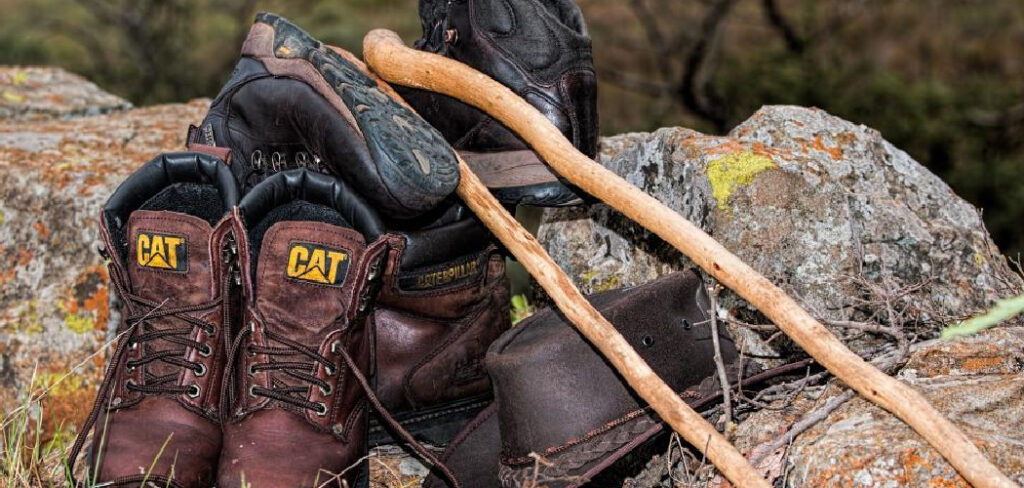
Knowing exactly how to break in hiking boots saves your feet and ensures you actually enjoy your outdoor adventures. This process transforms stiff materials into a custom-fitted cradle for your feet. Whether you are planning a casual weekend camping trip or a challenging multi-day trek, softening up your new gear is absolutely essential. Let’s walk through the simple, pain-free steps to get your footwear trail-ready so you can focus on the breathtaking views instead of your aching heels.
Why You Must Prepare Your Footwear Before the Trail
New footwear often features stiff leather, rigid synthetic materials, and tough soles designed to protect your feet from jagged rocks and uneven terrain. While this durability is fantastic for wilderness survival, it is terrible for your skin straight out of the box. These rigid materials will fiercely rub against your heels, toes, and ankles if you hike in them immediately.
Taking the time to slowly mold the shoes allows the heavy-duty materials to crease in all the right places. This gradual softening aligns the shoe’s flex points with your natural stride. Investing a little time around your house and neighborhood prevents agonizing friction burns. A properly molded shoe works in perfect harmony with your body, providing vital support without restricting circulation or causing painful hot spots during your outdoor travels.
Read More: How to Make a Hiking Stick
8 Step-by-Step Guide on How to Break in Hiking Boots
Step 1: Wear the Right Socks
The journey begins before you even lace up your new gear. You must put on the exact socks you plan to wear on the trail. Thick wool or synthetic blends add volume to your foot, changing the way the shoe fits compared to your everyday thin cotton socks. Wearing the correct socks ensures the shoe molds to the precise dimensions your foot will have during a hike. If you plan to wear a thin liner sock underneath a thicker outer layer, put both of them on now. This creates the most accurate spacing inside the footwear. Taking this crucial first step prevents the shoe from feeling too tight later, setting a solid foundation for the rest of the molding process.
Step 2: Lace Up for a Secure Fit
Once your proper socks are on, slip your feet into the shoes and pay close attention to the lacing process. You want to secure the laces exactly as you would for a rigorous climb. Keep the tension firm but not painfully tight. Ensure the tongue sits perfectly straight and flat against your upper foot. A crooked tongue creates immediate pressure points that will dig into your skin as you move. Secure the ankle area snugly to prevent your heel from slipping up and down, which is the primary cause of friction blisters. Tying them correctly forces the stiff materials to bend exactly where your foot naturally flexes, rather than bending in awkward spots that will hinder your mobility.
Step 3: Start Walking Around Your House
Now that you are properly laced up, it is time to take your first steps. Keep your environment strictly indoors for this initial phase. Walk around your living room, climb up and down your stairs, and stand in them while washing dishes or doing simple chores. Keeping the soles clean gives you the option to return them if you discover a major sizing issue. Spend about an hour or two each day moving around your home. The gentle heat and moisture generated by your feet will begin to soften the interior lining and the upper materials. You will likely feel some stiffness, but this low-impact activity starts the essential creasing process without subjecting your skin to intense friction.
Step 4: Evaluate How to Break in Hiking Boots Safely
After a few days of indoor walking, pause and assess how your feet feel. This is a critical evaluation moment. You should feel the materials starting to yield, but you must also identify any emerging hot spots. If you feel pinching on your pinky toe or rubbing on your heel, address it immediately. Apply moleskin or athletic tape to those sensitive areas on your foot before proceeding further. Knowing how to break in hiking boots safely means listening to your body and never pushing through sharp pain. If a specific spot remains unbearably tight despite your indoor efforts, you might need to try different lacing techniques to relieve pressure over the instep or around the ankle bone.
Step 5: Take Short Neighborhood Strolls
Once you confidently walk indoors without severe pain, take the process outside. Begin with short, flat walks around your block or to the local park. Limit these initial outdoor excursions to fifteen or twenty minutes. The uneven concrete and asphalt will force the tough outsoles to flex more dynamically than your smooth indoor floors did. You will notice the shoe bending across the toe box and the ankle collar flexing against your leg. As you increase your distance over a few days, the heavy leather or synthetic panels will stretch and conform closer to your individual foot shape. Keep a close watch on your heels to ensure they stay locked down as your stride naturally lengthens outside.
Step 6: Add Weight to Your Back
A major milestone in softening your footwear involves replicating actual trail conditions. Put on your hiking backpack and load it with about ten to fifteen pounds of gear or water bottles. Extra weight pushes your foot deeper into the footbed and causes your arch to spread slightly with each step. This added pressure dramatically changes how the shoe surrounds your foot. Walk your neighborhood routes again with this loaded pack. The increased load forces the midsole to compress and adapt to your specific walking pattern. You might discover new friction zones that did not exist during unweighted walks. Address any new rubbing with protective tape immediately, and keep these weighted walks brief until the shoe fully adapts.
Step 7: Seek Out Uneven Terrain
Smooth pavements only prepare the shoe for walking on a flat surface. To truly finish the job, you must venture onto dirt paths, gravel trails, or grassy hills. Find a local nature trail with minor elevation changes, rocks, and roots. Walking on uneven ground twists the sole laterally and forces the ankle support system to engage. The upper materials will contort in multiple directions, finalizing the creasing process. Ascending hills pushes your heel into the back of the shoe, while descending tests whether your toes slide forward into the front cap. Spend a weekend exploring easy nature paths to ensure the footwear bends comfortably at every possible angle before tackling a massive wilderness expedition.
Step 8: Master How to Break in Hiking Boots with Leather Care
If you purchased traditional full-grain leather footwear, the material requires special attention to soften completely. Understanding how to break in hiking boots made of thick leather involves proper conditioning. Apply a specialized leather conditioner or wax recommended by the manufacturer to the stiffest parts of the upper. This treatment nourishes the material, making it significantly more supple and pliable. Massage the conditioner into the creases that have formed during your walks. Do not apply external heat like a hairdryer, as this can severely damage the adhesives holding the sole together. Instead, rely on the natural warmth of your feet and the conditioning cream to relax the tough hide, ensuring a custom fit that lasts for years.
Read More: How to Tie Hiking Boots
Frequently Asked Questions
How Long Does It Take to Soften New Footwear?
The timeline varies depending on the materials and your dedication. Lightweight synthetic shoes might only take a few days of casual wear. Conversely, heavy-duty, full-grain leather options can require several weeks of consistent effort.
- Expect 1-2 weeks for mid-weight shoes.
- Plan for 3-4 weeks for heavy leather models.
- Start the process at least a month before any trip.
Can I Soak My Shoes in Water to Speed Up the Process?
You should never intentionally soak your new footwear to stretch it. While some old tricks suggest filling them with water, this severely damages modern waterproofing membranes and degrades the internal adhesives. Wetting the materials can also cause leather to shrink and crack as it dries. Stick to natural body heat and gradual walking safely.
What Should I Do if I Get a Blister?
If a blister forms, stop wearing the shoes immediately until your skin heals. Continuing to walk will only worsen the injury and make the process miserable.
- Clean the affected area gently.
- Cover the blister with a specialized hydrocolloid bandage.
- Apply moleskin to the shoe’s interior friction point.
- Resume walking only when your skin is completely healed.
Do I Need to Soften Trail Running Shoes?
Trail running shoes and lightweight hikers require significantly less effort than traditional heavy models. They are constructed with flexible synthetic meshes that naturally bend right out of the box. However, you should still wear them on a few short walks or light runs. This ensures the insoles mold to your arches and verifies the sizing is comfortable.
Can a Cobbler Stretch My Stiff Footwear?
Yes, professional cobblers can stretch stiff outdoor footwear if you are struggling with a specific tight spot. They use specialized mechanical stretchers to gently expand the width or the toe box.
- This is ideal for people with wide feet.
- It helps relieve pressure on painful bunions.
- It prevents damage to the waterproof lining from DIY methods.
Conclusion
Prepping your new trail footwear is a non-negotiable step for any successful outdoor adventure. By starting indoors, progressing to weighted neighborhood walks, and gradually introducing uneven terrain, you can transform rigid materials into a perfectly molded asset. Remember to wear your proper trail socks, listen to your body, and never rush the process. Taking the time to properly condition your gear protects your feet from agonizing blisters and guarantees a comfortable journey from start to finish. Now that you know exactly how to break in hiking boots, you are ready to hit the trails with confidence. Grab your new pair, lace them up securely, and start taking those essential first steps toward your next great wilderness escape.

About Caleb
Caleb Merritt is a Virginia-based outdoor writer and gear analyst who has spent over a decade sleeping on the ground, crossing mountain passes, and obsessively shaving grams off his pack weight. He holds a Bachelor of Science in Environmental Science from James Madison University, where he also served as president of the university’s outdoor recreation club. After graduating, he spent three years as a wilderness educator with a backcountry youth program in the Shenandoah Valley — teaching Leave No Trace ethics, backcountry navigation, and campcraft — before moving into full-time writing in 2018.
His work focuses on one core belief: the best gear is the gear you understand. Whether he’s doing a side-by-side weight comparison of ultralight shelters or writing a beginner’s guide to building a sub-20-lb base weight kit, Caleb writes with the same directness you’d expect from a trusted trail partner. He has logged more than 4,000 miles across iconic routes including the John Muir Trail, the Wind River Range, Vermont’s Long Trail, and the Collegiate Peaks Loop in Colorado.
Areas of Expertise
- Ultralight backpacking systems and base weight optimization
- Tent, tarp, and shelter testing across three-season and shoulder-season conditions
- Sleeping bag and quilt temperature rating verification
- Backpacking nutrition, meal planning, and calorie-per-ounce analysis
- Leave No Trace principles and wilderness ethics
- Campfire safety, bear country protocols, and water treatment methods
- Gear care, repair, and long-term durability assessment
Education
James Madison University — B.S. in Environmental Science, 2015
During his time at JMU, Caleb served as President of the Outdoor Recreation Club, where he planned and led more than 30 backcountry trips annually across the Blue Ridge Mountains and Appalachian Trail corridor. The role sharpened his ability to assess gear performance under real conditions, manage group safety in remote environments, and develop the kind of practical trail knowledge that no classroom can teach.
Professional Experience
Gear Writer & Senior Contributor — [campeox.com]
Produces in-depth gear reviews, buyer’s guides, and how-to content across backpacking, camping, and ultralight hiking categories. Tests all gear in real field conditions before publishing recommendations.
Wilderness Educator & Trip Leader — Shenandoah Backcountry Youth Program — 2015–2018 Led multi-day backcountry expeditions for teens and young adults throughout Shenandoah National Park and George Washington National Forest. Taught LNT principles, orienteering, first aid awareness, and campcraft fundamentals.
Outdoor Recreation Club President — James Madison University — 2013–2015 Organized and led university-sponsored hiking, backpacking, and camping trips in the Blue Ridge Mountains and Appalachian Trail corridor. Managed club budget, safety protocols, and trip logistics for a membership of 120+ students.
Editorial Standards
Every piece of gear Caleb recommends has been personally tested in the field — not just unboxed and described. His review process includes a minimum of two overnight trips per shelter, a full-season evaluation for sleep systems, and side-by-side comparisons wherever possible. He does not accept payment for positive reviews. Affiliate relationships, where they exist, are always disclosed in accordance with FTC guidelines.
All factual claims about gear specifications, trail distances, and safety recommendations are cross-referenced against manufacturer data sheets and established sources such as the Leave No Trace Center for Outdoor Ethics and the American Hiking Society before publication.