Taking proper care of your merino wool or tree fiber shoes ensures they stay comfortable, supportive, and fresh for years to come. Whether you just returned from a dusty trail walk or spilled coffee on your favorite daily sneakers, you might be wondering about the safest washing methods.
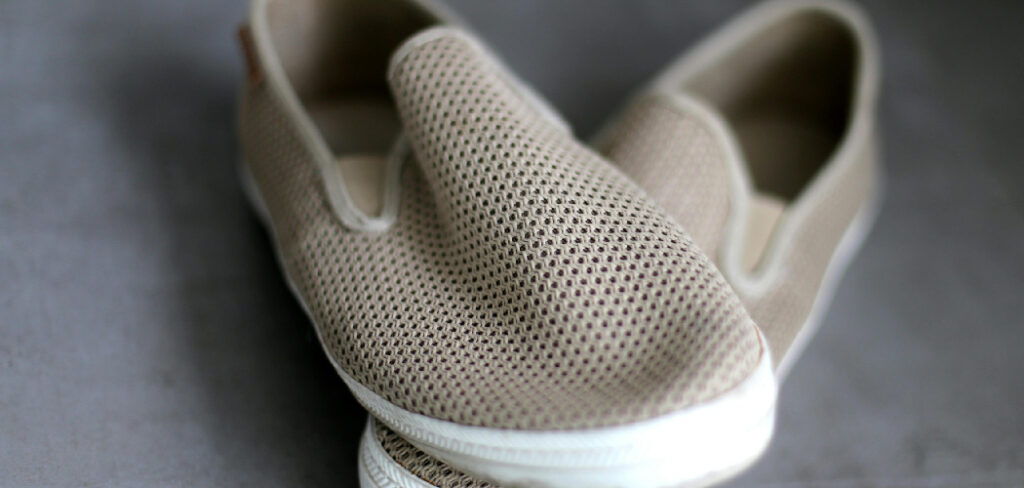
Learning how to clean allbirds correctly protects the delicate materials and prevents unwanted shrinking or warping. Many beginners worry about ruining the soft fabric, but the process is surprisingly straightforward when you follow the right techniques. By taking a few extra minutes to prep and wash your footwear, you preserve their signature shape and cozy feel. This expert guide provides a simple, foolproof walkthrough to help you wash your favorite shoes without damaging their materials.
Why Maintaining Your Footwear Matters
Understanding the value of shoe maintenance goes far beyond basic aesthetics. For campers, outdoor beginners, and daily commuters, well-maintained footwear provides reliable support and temperature regulation. Merino wool and eucalyptus tree fibers naturally breathe and stretch to accommodate your movements. When dirt, mud, and sweat accumulate, these materials lose their breathability and structural integrity.
Leaving dried mud on the fabric causes the fibers to weaken and eventually tear over time. Regular washing removes abrasive particles, preventing premature wear and tear on the delicate uppers. Keeping the soles free of debris also ensures you maintain proper traction on slippery outdoor trails or wet city sidewalks. Proper upkeep extends the lifespan of your sneakers, saving you money while keeping your feet comfortable, dry, and secure during your next big outdoor adventure.
Tools and Materials You’ll Need
Gathering the proper supplies before you start washing prevents frantic searching with wet hands later on. You need a mild, gentle detergent designed specifically for delicates or wool fabrics. Harsh chemical cleaners can strip the natural oils from merino wool and weaken eucalyptus fibers. You also need a soft-bristled brush, like an old toothbrush or a specialized suede brush, to gently buff away surface dirt.
A standard washing machine handles the heavy lifting, but you must use a mesh laundry bag to protect the shoes from excessive agitation during the spin cycle. A clean, dry microfiber towel is necessary to wipe down the rubber soles and absorb excess moisture after the wash. For added convenience, keep a small bowl of warm water nearby to help lift stubborn stains before the shoes go into the washing machine.
10 Step-by-Step Guide on How to Clean Allbirds
Step 1 – Remove the Laces and Insoles
Taking apart your shoes before washing ensures a thorough, even clean across every surface. Begin by gently unthreading the laces from the eyelets, pulling them out completely. You can wash the laces separately by soaking them in a small cup of soapy water or placing them in their own small mesh laundry bag.
Next, reach inside the shoe and carefully pull out the padded insoles. The insoles absorb a massive amount of sweat and odor, so they require individual attention outside of the washing machine. Leaving the insoles inside blocks the interior fabric from getting properly flushed with water. Setting the laces and insoles aside gives you full access to the tongue and inner lining of the sneakers.
Step 2 – Brush Away Loose Dirt and Debris
Before applying any water or soap, you must eliminate all the dry, loose dirt clinging to the exterior. Take your soft-bristled brush and lightly sweep the surface of the toe box, side panels, and heel. Brushing the fabric while it is dry prevents mud from sinking deeper into the delicate fibers once water is introduced.
Pay close attention to the crevices around the bottom edge where the fabric meets the sole. Give the soles a firm tap against a sturdy surface to knock loose any pebbles or caked-on dirt trapped in the treads. Removing this superficial layer of grime reduces the workload on your washing machine and prevents your laundry water from turning instantly brown.
Step 3 – Spot Treat Stubborn Stains
Sometimes a simple machine wash cannot completely erase harsh stains like grass, coffee, or grease. Dip your soft brush or a clean cloth into your small bowl of warm water mixed with a tiny drop of gentle detergent. Gently dab the soapy water directly onto the stained area, taking care not to rub or scrub aggressively.
Aggressive scrubbing forces the stain deeper and can cause the wool or tree fibers to pill and fray. Let the soapy mixture sit on the stain for about ten to fifteen minutes to break down the grime. This targeted approach loosens the most resilient dirt patches. Knowing exactly how to clean allbirds involves this crucial pre-treatment phase, ensuring the fabric looks entirely refreshed after the final wash.
Step 4 – Clean the Rubber Soles Separately
The foam and rubber outsoles endure the most abuse and pick up the heaviest grime from the ground. Use your brush and soapy water to scrub the bottom treads and the white sidewalls of the soles. You can apply a bit more pressure here than you did on the delicate upper fabric.
Work the bristles into the grooves of the tread to dislodge any sticky residue or hidden mud. Wipe away the loosened dirt with a damp microfiber towel, revealing a bright, clean surface. Getting the soles as clean as possible before the machine cycle prevents heavy outdoor mud from circulating in the wash water and depositing back onto the soft upper material.
Step 5 – Wash the Insoles by Hand
Your insoles contain castor bean oil and merino wool, which require a delicate hand-washing technique to prevent them from losing their bouncy support. Fill the sink with cool water and a few drops of your mild detergent. Submerge the insoles and gently massage them with your thumbs, focusing on the heel and the ball of the foot where sweat accumulates most.
Rinse the insoles thoroughly under cool running water until all the soapy suds disappear. Never put the insoles in the washing machine, as the intense agitation will warp their shape and destroy their cushioning properties. Squeeze out the excess water gently without twisting or wringing the material, then lay them flat on a towel to air dry.
Step 6 – Place Shoes in a Mesh Laundry Bag
Protecting the upper fabric from the mechanical friction of the washing machine is a critical priority. Slide your unlaced, pre-treated shoes into a protective mesh laundry bag. You can also slip the laces into the same bag or use a separate smaller bag if you prefer.
The mesh barrier prevents the shoes from violently bouncing against the metal drum, which causes the fabric to stretch and the fibers to pill. If you do not own a mesh laundry bag, a standard cotton pillowcase works just as well. Simply tie a firm knot at the top of the pillowcase to secure the shoes inside. This protective layer is the secret to keeping the footwear looking brand new.
Step 7 – Select the Correct Washing Machine Settings
Setting your washing machine to the proper cycle determines the success of the entire cleaning process. Always select the delicate, gentle, or wool cycle on your machine. Pour a small amount of your mild detergent into the dispenser, avoiding bleach or harsh fabric softeners.
You must set the water temperature to cold. Hot or even warm water causes the merino wool and tree fibers to shrink drastically, ruining the fit of the shoe. Understanding how to clean allbirds safely means respecting the material’s sensitivity to heat and agitation. Start the cycle and let the machine do the gentle work of flushing out the remaining dust, sweat, and odors from the fabric.
Step 8 – Reshape the Shoes After Washing
Once the delicate cycle finishes, remove the mesh bag from the washing machine immediately to prevent the shoes from developing a musty smell. Take the shoes out of the bag and examine the fabric. The material will feel damp and slightly contracted from the water.
Use your hands to gently push the inside of the toe box and heel to pop the fabric back into its original shape. You can stuff the inside of the shoes with a few small, dry hand towels or light-colored rags. This internal support acts as a mold, keeping the upper fabric stretched to the correct proportions while it dries. Avoid using newspaper, as the ink can bleed into the wet lining.
Step 9 – Air Dry the Shoes Naturally
Drying your footwear requires patience and the right environment to protect the sensitive materials. Place the reshaped shoes, the insoles, and the laces in a well-ventilated room away from direct sunlight. Direct sunlight can bleach the color out of the fabric and cause the rubber soles to become brittle.
Never put your shoes in the tumble dryer, even on a low heat setting. The intense heat of a dryer will warp the foam soles and cause the wool or tree fabric to shrink beyond repair. Allow the shoes to air dry completely for at least twenty-four to forty-eight hours. Wait until the thickest part of the heel feels entirely dry to the touch before reassembling them.
Step 10 – Reassemble and Lace Up
The final step brings your refreshed footwear back to its original, wearable glory. Check the insoles one last time to ensure no hidden moisture remains trapped inside the foam. Slide the dry insoles back into the bottom of the shoe, pressing down firmly so they sit flat without any uncomfortable ridges.
Thread your clean, dry laces back through the eyelets, adjusting the tension to match your preferred fit. Your shoes should now smell fresh, look vibrant, and feel completely renewed. You are now ready to step outside and tackle your daily commute or weekend camping trip with footwear that feels perfectly supportive and pristine.
Common Cleaning Mistakes
Ruining a favorite pair of comfortable sneakers usually happens because of a few entirely avoidable errors. The most frequent mistake people make is tossing their shoes directly into the washing machine without using a mesh bag or pillowcase. Without that protective barrier, the shoes violently crash against the metal drum, causing the delicate fibers to fray and the soles to scuff. Another major error involves leaving the insoles inside the shoe during the machine wash. The machine’s agitation twists the foam insoles out of shape, permanently ruining the soft arch support and cushioning.
Using the wrong temperature settings also destroys the fabric very quickly. Washing with warm or hot water causes merino wool to shrink rapidly, turning an adult-sized sneaker into a miniature shoe that no longer fits. Drying the shoes in a standard tumble dryer creates the exact same shrinking issue, while also melting the glue that holds the sole to the upper fabric. Finally, people often use harsh chemical detergents or bleach to tackle tough stains. These strong chemicals eat away at natural fibers and strip the dye, leaving ugly, splotchy discoloration across the top of the shoe.
Expert Tips
To keep your footwear looking immaculate between major washes, develop a quick weekly maintenance routine. Lightly brush the surface of the shoes every few days to prevent everyday dust from settling deep into the weave. If you frequently get caught in the rain, consider applying a water-repellent spray designed specifically for wool or delicate fabrics.
Always test any protective spray on a small, hidden area near the heel first to ensure it does not alter the color. When washing, you can throw a few old, clean towels into the washing machine alongside your mesh bag. The towels act as a buffer, reducing the noise and impact as the shoes spin around the drum. Dealing with odors requires a proactive approach, so consider sprinkling a tiny amount of baking soda inside the shoes overnight to absorb lingering smells.
Frequently Asked Questions
Can I wash my shoes in hot water?
You should never use hot or warm water when washing this type of footwear. Heat causes natural materials like merino wool and tree fibers to shrink drastically and permanently. Hot water also weakens the industrial adhesives holding the sole to the upper fabric. Always use the cold water setting on your washing machine to protect the shape and integrity of your sneakers.
What kind of soap is best for washing?
The best choice is a mild, gentle liquid detergent designed specifically for delicates, baby clothes, or wool fabrics. Avoid powdered detergents, as they sometimes fail to dissolve completely in cold water and leave a chalky residue on the fabric. Never use bleach, fabric softeners, or harsh stain removers, because these chemicals damage the delicate fibers and ruin the color.
Can I put my shoes in the dryer?
You must never place your delicate sneakers in a tumble dryer under any circumstances. The intense heat and tumbling action will permanently warp the foam soles, shrink the upper fabric, and melt the internal glue. Always reshape the damp shoes with a small towel and allow them to air dry naturally in a well-ventilated room away from direct heat sources.
How long does it take for the shoes to dry?
Air drying usually takes anywhere from twenty-four to forty-eight hours, depending on the humidity and temperature of your home. You must wait until the thickest part of the heel and the internal lining feel entirely dry to the touch. Wearing the shoes while they are still damp stretches the fabric out of shape and encourages odor-causing bacteria to grow.
Do I have to wash the insoles by hand?
Yes, hand-washing is the only safe method for cleaning the delicate insoles. Placing them in the washing machine causes the foam cushioning and wool lining to twist, tear, and lose their supportive shape. Simply submerge them in cool, soapy water in your sink, massage them gently with your fingers, rinse thoroughly, and lay them flat to air dry.
Conclusion
Keeping your favorite comfortable sneakers in pristine condition requires just a little patience and the correct washing techniques. By taking the time to remove the laces, gently scrub the soles, and use a protective mesh bag, you preserve the natural fibers that make the footwear so breathable.
Remembering to always use cold water and air dry your shoes will prevent any heartbreaking shrinking or warping. Knowing how to clean allbirds the right way ensures your investment lasts through countless city walks, trail hikes, and daily commutes. Now that you understand the exact steps and common mistakes to avoid, you can confidently wash your shoes without fear. Grab your gentle detergent, grab your soft brush, and give your footwear the refreshing spa day it deserves.

About Caleb
Caleb Merritt is a Virginia-based outdoor writer and gear analyst who has spent over a decade sleeping on the ground, crossing mountain passes, and obsessively shaving grams off his pack weight. He holds a Bachelor of Science in Environmental Science from James Madison University, where he also served as president of the university’s outdoor recreation club. After graduating, he spent three years as a wilderness educator with a backcountry youth program in the Shenandoah Valley — teaching Leave No Trace ethics, backcountry navigation, and campcraft — before moving into full-time writing in 2018.
His work focuses on one core belief: the best gear is the gear you understand. Whether he’s doing a side-by-side weight comparison of ultralight shelters or writing a beginner’s guide to building a sub-20-lb base weight kit, Caleb writes with the same directness you’d expect from a trusted trail partner. He has logged more than 4,000 miles across iconic routes including the John Muir Trail, the Wind River Range, Vermont’s Long Trail, and the Collegiate Peaks Loop in Colorado.
Areas of Expertise
- Ultralight backpacking systems and base weight optimization
- Tent, tarp, and shelter testing across three-season and shoulder-season conditions
- Sleeping bag and quilt temperature rating verification
- Backpacking nutrition, meal planning, and calorie-per-ounce analysis
- Leave No Trace principles and wilderness ethics
- Campfire safety, bear country protocols, and water treatment methods
- Gear care, repair, and long-term durability assessment
Education
James Madison University — B.S. in Environmental Science, 2015
During his time at JMU, Caleb served as President of the Outdoor Recreation Club, where he planned and led more than 30 backcountry trips annually across the Blue Ridge Mountains and Appalachian Trail corridor. The role sharpened his ability to assess gear performance under real conditions, manage group safety in remote environments, and develop the kind of practical trail knowledge that no classroom can teach.
Professional Experience
Gear Writer & Senior Contributor — [campeox.com]
Produces in-depth gear reviews, buyer’s guides, and how-to content across backpacking, camping, and ultralight hiking categories. Tests all gear in real field conditions before publishing recommendations.
Wilderness Educator & Trip Leader — Shenandoah Backcountry Youth Program — 2015–2018 Led multi-day backcountry expeditions for teens and young adults throughout Shenandoah National Park and George Washington National Forest. Taught LNT principles, orienteering, first aid awareness, and campcraft fundamentals.
Outdoor Recreation Club President — James Madison University — 2013–2015 Organized and led university-sponsored hiking, backpacking, and camping trips in the Blue Ridge Mountains and Appalachian Trail corridor. Managed club budget, safety protocols, and trip logistics for a membership of 120+ students.
Editorial Standards
Every piece of gear Caleb recommends has been personally tested in the field — not just unboxed and described. His review process includes a minimum of two overnight trips per shelter, a full-season evaluation for sleep systems, and side-by-side comparisons wherever possible. He does not accept payment for positive reviews. Affiliate relationships, where they exist, are always disclosed in accordance with FTC guidelines.
All factual claims about gear specifications, trail distances, and safety recommendations are cross-referenced against manufacturer data sheets and established sources such as the Leave No Trace Center for Outdoor Ethics and the American Hiking Society before publication.