You just finished cleaning and drying your wetsuit, and now it’s time to put it away. This last step matters more than most beginners realize. Toss your suit into a crumpled heap or stuff it in a tight drawer, and you’ll soon find permanent creases, a musty smell, and cracked neoprene.
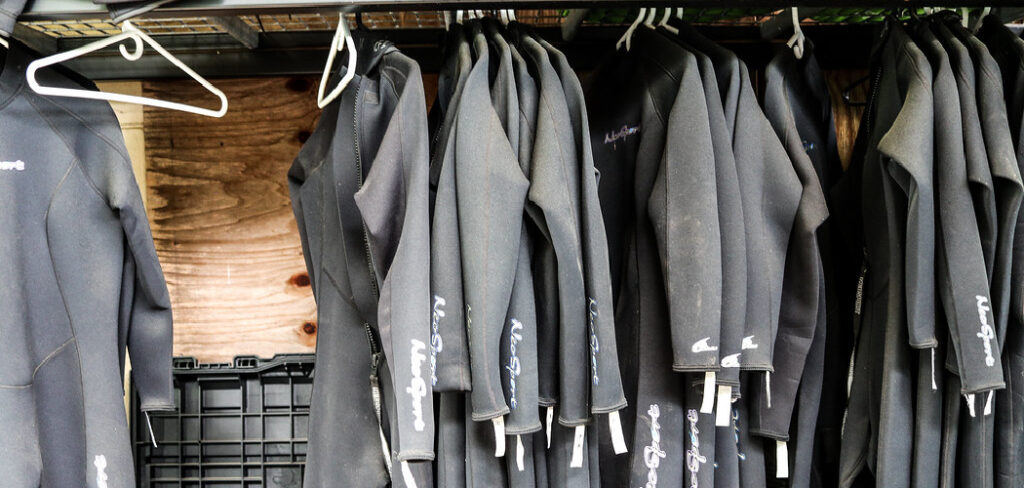
Learning how to store a wetsuit properly keeps the material soft, flexible, and ready for your next trip. The best part? It takes only a few minutes once you know the routine. You don’t need a fancy setup or lots of room—just the right habits and a good spot. This guide walks you through every step, from short-term storage between sessions to long-term care over the off-season, so your suit lasts for years.
Why Proper Wetsuit Storage Matters
Your wetsuit is an investment, and how you store it decides how long it lasts. Neoprene is tough in the water but surprisingly delicate at rest. Fold it the wrong way or leave it in a hot, damp place, and the material breaks down faster than you’d expect.
Good storage protects the suit from creases, mildew, and that stubborn odor that’s nearly impossible to remove. It also keeps the seams and zipper working smoothly season after season.
For campers and outdoor beginners, this skill is a money-saver. You often deal with tight spaces, shared gear bins, and unpredictable weather. A simple storage habit means your suit stays fresh and flexible, ready whenever the next adventure calls. A little care now saves you from buying a replacement too soon.
Tools and Materials You’ll Need
You don’t need much to store your wetsuit the right way. Most of these items are easy to find at home or in your gear kit.
- A wide, padded hanger – a thick or wetsuit-specific hanger that supports the shoulders without digging in
- A cool, dry storage space – a closet, garage shelf, or spare room away from heat and sunlight
- A breathable garment bag – ideal for long-term storage to keep dust off while allowing airflow
- A soft cloth – for a final wipe-down to remove any lingering salt residue or moisture
- Mild wetsuit conditioner (optional) – a gentle product that keeps the neoprene supple between uses
That conditioner is the one convenience item worth adding. A quick application before long-term storage keeps the material soft and helps it bounce back when you slip it on again.
8 Step-by-Step Guide on Storing a Wetsuit
Step 1 – Make sure the suit is fully dry
Before you store anything, confirm your wetsuit is completely dry inside and out. Even a little leftover moisture invites mildew and a stale odor within days. Run your hand across the lining, the cuffs, and the underarms—these spots hold dampness the longest.

If you feel any cool, clammy patches, hang the suit a bit longer in a breezy, shaded spot. Patience here saves you headaches later.
A dry suit is the foundation of good storage. Learning how to store a wetsuit always starts here, because trapped water is the number one cause of ruined neoprene. Take an extra few minutes to check thoroughly before moving on to the next step.
Step 2 – Give it a final wipe-down
With the suit dry, grab a soft cloth and gently wipe down both sides. This removes any leftover salt residue, dust, or grit that survived your rinse. Salt crystals are sneaky—they cling to the seams and slowly eat away at the material over time.
Pay close attention to the zipper area and the inside of the cuffs. These spots collect the most buildup and often get overlooked.
You’ll notice the neoprene feels smoother and cleaner under the cloth. This quick pass also gives you a chance to spot small tears or worn seams early. Catching damage now means you can repair it before it spreads and ruins your suit.
Step 3 – Care for the zipper
The zipper is one of the first parts to fail on a neglected wetsuit, so give it some attention. Wipe the teeth clean and make sure no sand or salt is stuck between them. Grit causes the zipper to snag, stick, and eventually break.
Run the zipper up and down a few times to check that it glides smoothly. If it feels stiff, a touch of zipper lubricant or even a little candle wax helps it move freely.
Store the suit with the zipper fully closed or fully open, whichever your suit recommends. A well-cared-for zipper keeps your suit easy to get in and out of for many seasons.
Step 4 – Choose the right hanger
Skip the thin wire hangers—they’re a wetsuit’s worst enemy. Their narrow edges dig into the shoulders and create sharp pressure points that stretch and weaken the neoprene over time. Instead, reach for a wide, padded hanger.

A wetsuit-specific hanger works best, but any thick plastic or padded one does the job well. The wider surface spreads the suit’s weight evenly across the shoulders.
For the best results, fold the suit at the waist over the hanger rather than hanging it by the shoulders alone. This balances the weight and prevents sagging. Knowing how to store a wetsuit comes down to small choices like this—the right hanger protects the shape of your suit beautifully.
Step 5 – Hang it in a cool, dry place
Now find a spot to hang your suit. The ideal location is cool, dry, and shaded, with steady airflow. A closet, a spare room, or a ventilated garage shelf all work well. Good ventilation keeps moisture and odor from settling in.
Keep the suit far from direct sunlight. UV rays fade the color and turn the neoprene brittle and cracked. Heat sources like radiators and water heaters cause the same kind of damage.
The temperature matters too. A space that swings between very hot and very cold stresses the material. Aim for a steady, moderate climate. You’ll know it’s right when the spot feels comfortable to you, not stuffy or damp.
Step 6 – Hang flat for long-term storage
For the off-season or any long stretch without use, hanging the suit flat is the gentlest option. Lay it over a wide hanger without sharp folds, so the weight distributes evenly and no creases form.
Avoid hanging the suit by a single point for months at a time. Even on a good hanger, gravity slowly pulls the neoprene downward, stretching it out of shape.
If you have the room, a breathable garment bag adds protection from dust while letting air circulate. Check on the suit every few weeks during long-term storage. A quick look helps you catch any early signs of mildew or dampness before they become a real problem.
Step 7 – Fold carefully if space is tight
Sometimes you simply don’t have room to hang a wetsuit, especially when camping or traveling. If you must fold it, do so gently and rarely. Sharp, repeated fold lines create permanent creases that weaken and eventually crack the neoprene.
Fold the suit loosely at the waist rather than into tight squares. Roll it instead of pressing it flat whenever you can—rolling spreads the stress more evenly across the material.
Never leave a folded suit compressed under heavy gear. Compression deepens those creases fast. For short-term storage, a loose fold for a day or two is fine. Just unfold and hang the suit again as soon as you have the space.
Step 8 – Avoid compression and crowding
Wherever your suit ends up, give it room to breathe. Cramming it into a tight bin, a packed drawer, or under a pile of other gear crushes the neoprene and forces in creases. Compression is one of the quietest ways to ruin a suit.
Keep the suit loose and uncrowded. If it shares a closet, make sure nothing presses against it for long stretches.
For travel, use a dedicated wetsuit bag rather than burying it at the bottom of your pack. Airflow and space keep the material flexible and fresh. Treat your suit gently here, and it’ll reward you with years of comfortable, reliable use.
Common Mistakes When Storing a Wetsuit
Even careful beginners trip up, so let’s look at the errors that cause the most harm. The biggest one is storing a suit that isn’t fully dry. Trapped moisture breeds mildew and a stubborn odor within days, and once that smell sets in, it rarely leaves. Always confirm the lining is bone dry first.
Another frequent mistake is using a thin wire hanger. The narrow edge digs into the shoulders, stretching the neoprene out of shape over time. A wide, padded hanger prevents that damage easily.
Many people also fold their suits into tight squares and leave them that way for months. Those sharp fold lines turn into permanent creases that crack and weaken the material. Loose rolling or flat hanging avoids the problem entirely.
Storing a suit in direct sunlight or near a heat source is another quiet killer. UV rays and high heat make the rubber brittle and faded. Finally, cramming the suit into a packed bin or burying it under heavy gear crushes the neoprene through constant compression. Give your suit space, shade, and air, and it’ll stay in great shape.
Expert Tips
A few small habits make a big difference in how long your suit lasts. Always store your wetsuit unzipped or following your manufacturer’s guidance, so no part of the seam stays under constant tension.
Apply a light coat of wetsuit conditioner before long-term storage. It keeps the neoprene supple and helps the suit feel fresh when you pull it out again.
If you live somewhere humid, slip a moisture absorber near your storage spot to keep dampness away. Rotate the suit’s position on the hanger every few weeks during the off-season so no single area stays stressed. And never store a suit in a hot car or attic—extreme heat ruins neoprene fast. Patience and a steady, cool environment always win.
Frequently Asked Questions
Should I hang or fold my wetsuit for storage?
Hanging is best for long-term storage because it prevents creases and keeps the suit’s shape. Use a wide, padded hanger and fold the suit gently at the waist over it. Folding is fine for short trips when space is tight, but keep the fold loose and avoid sharp lines. Tight folds left for months create permanent creases that crack the neoprene.
Can I store my wetsuit in direct sunlight?
No, keep your suit out of direct sunlight. UV rays fade the color and make the neoprene brittle, leading to cracks over time. Heat sources like radiators and hot cars cause the same damage. Always choose a cool, dry, shaded spot with good ventilation. A steady, moderate temperature keeps the material flexible and ready for your next session.
How do I stop my stored wetsuit from smelling?
Make sure the suit is completely dry before storing it, since trapped moisture causes mildew and odor. Wipe away any salt residue with a soft cloth, then hang the suit in a well-ventilated, cool spot. Avoid sealing it in airtight bins or bags. A breathable garment bag works well because it allows airflow while keeping dust off the neoprene.
Is it okay to store my wetsuit folded for a long time?
It’s better to avoid long-term folding. Sharp fold lines turn into permanent creases that weaken and crack the neoprene over months. If you have no choice, fold the suit loosely or roll it instead of pressing it flat. Never leave it compressed under heavy gear. Whenever space allows, hang the suit on a wide hanger to protect its shape.
How should I store my wetsuit during the off-season?
For the off-season, clean and fully dry the suit first, then apply a light coat of wetsuit conditioner to keep the neoprene supple. Hang it flat on a wide hanger in a cool, dry, shaded place with good airflow. A breathable garment bag adds dust protection. Check on it every few weeks for any early signs of mildew or dampness.
Conclusion
Storing your gear well is the final step that protects all your hard work. Once you understand how to store a wetsuit properly, the routine takes just a few minutes and becomes second nature. Start by confirming the suit is fully dry, then wipe away any salt residue and care for the zipper. Choose a wide, padded hanger and hang the suit in a cool, dry place away from sunlight and heat. For long stretches, hang it flat and give it room to breathe.
Steer clear of the common traps—storing a damp suit, using wire hangers, tight folding, and crushing the neoprene through compression. These small mistakes lead to creases, mildew, and brittle material over time. With a little patience and the right habits, your suit stays flexible, fresh, and free of odor for many seasons.
So next time you finish drying your suit, take those extra minutes to store it right. Your wetsuit will reward you with comfort and warmth, trip after trip. Grab your hanger and put these steps into action.

About Caleb
Caleb Merritt is a Virginia-based outdoor writer and gear analyst who has spent over a decade sleeping on the ground, crossing mountain passes, and obsessively shaving grams off his pack weight. He holds a Bachelor of Science in Environmental Science from James Madison University, where he also served as president of the university’s outdoor recreation club. After graduating, he spent three years as a wilderness educator with a backcountry youth program in the Shenandoah Valley — teaching Leave No Trace ethics, backcountry navigation, and campcraft — before moving into full-time writing in 2018.
His work focuses on one core belief: the best gear is the gear you understand. Whether he’s doing a side-by-side weight comparison of ultralight shelters or writing a beginner’s guide to building a sub-20-lb base weight kit, Caleb writes with the same directness you’d expect from a trusted trail partner. He has logged more than 4,000 miles across iconic routes including the John Muir Trail, the Wind River Range, Vermont’s Long Trail, and the Collegiate Peaks Loop in Colorado.
Areas of Expertise
- Ultralight backpacking systems and base weight optimization
- Tent, tarp, and shelter testing across three-season and shoulder-season conditions
- Sleeping bag and quilt temperature rating verification
- Backpacking nutrition, meal planning, and calorie-per-ounce analysis
- Leave No Trace principles and wilderness ethics
- Campfire safety, bear country protocols, and water treatment methods
- Gear care, repair, and long-term durability assessment
Education
James Madison University — B.S. in Environmental Science, 2015
During his time at JMU, Caleb served as President of the Outdoor Recreation Club, where he planned and led more than 30 backcountry trips annually across the Blue Ridge Mountains and Appalachian Trail corridor. The role sharpened his ability to assess gear performance under real conditions, manage group safety in remote environments, and develop the kind of practical trail knowledge that no classroom can teach.
Professional Experience
Gear Writer & Senior Contributor — [campeox.com]
Produces in-depth gear reviews, buyer’s guides, and how-to content across backpacking, camping, and ultralight hiking categories. Tests all gear in real field conditions before publishing recommendations.
Wilderness Educator & Trip Leader — Shenandoah Backcountry Youth Program — 2015–2018 Led multi-day backcountry expeditions for teens and young adults throughout Shenandoah National Park and George Washington National Forest. Taught LNT principles, orienteering, first aid awareness, and campcraft fundamentals.
Outdoor Recreation Club President — James Madison University — 2013–2015 Organized and led university-sponsored hiking, backpacking, and camping trips in the Blue Ridge Mountains and Appalachian Trail corridor. Managed club budget, safety protocols, and trip logistics for a membership of 120+ students.
Editorial Standards
Every piece of gear Caleb recommends has been personally tested in the field — not just unboxed and described. His review process includes a minimum of two overnight trips per shelter, a full-season evaluation for sleep systems, and side-by-side comparisons wherever possible. He does not accept payment for positive reviews. Affiliate relationships, where they exist, are always disclosed in accordance with FTC guidelines.
All factual claims about gear specifications, trail distances, and safety recommendations are cross-referenced against manufacturer data sheets and established sources such as the Leave No Trace Center for Outdoor Ethics and the American Hiking Society before publication.