Spending time outdoors brings incredible mental and physical benefits, but dealing with pests can quickly ruin a great adventure. You want to enjoy the fresh air, listen to the birds, and take in the beautiful scenery without worrying about tiny hitchhikers attaching themselves to your skin. Learning how to avoid ticks while hiking is essential for anyone who wants to explore nature safely.
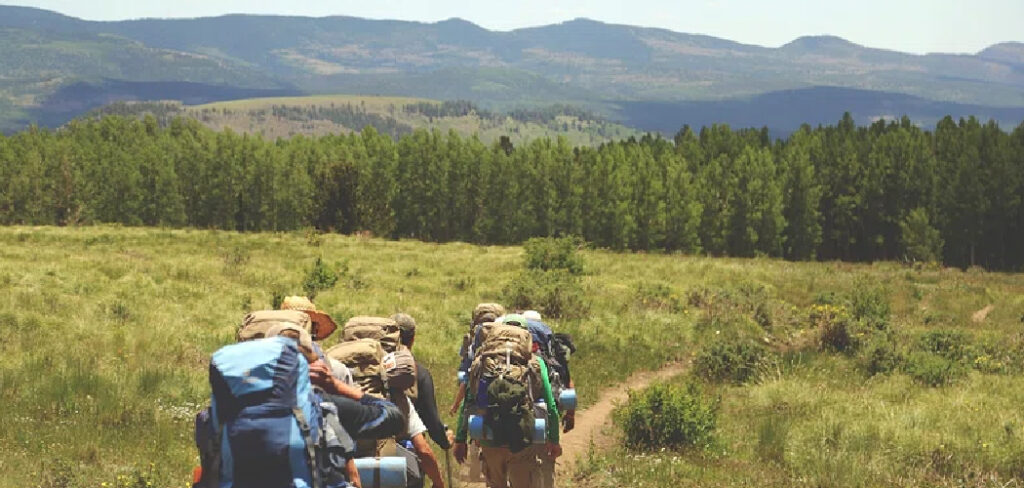
Ticks live in tall grasses, dense woods, and brushy areas, eagerly waiting for a host to brush past them. They do not jump or fly; instead, they stretch out their front legs in a behavior called questing, grabbing onto whatever animal or human walks by. Understanding this behavior gives you a massive advantage when planning your outdoor excursions. This guide will provide you with practical, expert-approved methods to keep yourself completely safe from these stubborn parasites on your next adventure.
Why Tick Prevention Matters for Beginners
Understanding tick prevention helps campers and outdoor beginners feel much more confident in the wilderness. Ticks carry numerous diseases, most notably Lyme disease, which can cause severe long-term health issues if left untreated. When you know how to protect yourself, you remove a major layer of anxiety from your outdoor experience.
Taking a proactive approach to your safety allows you to focus fully on the joy of hiking. You will no longer jump at every itch or avoid walking through beautiful meadows out of fear. Instead, you build strong habits that protect your health and the health of your hiking companions. Learning these essential wilderness skills early on transforms you from a nervous beginner into a prepared, capable outdoor enthusiast ready to tackle any trail.
Tools and Materials You’ll Need
Before you hit the trail, gathering the right supplies makes a world of difference. Having a dedicated kit for pest prevention ensures you always stay protected. Add the following items to your hiking pack to create a strong line of defense:
- Long-sleeved shirts and long pants made from breathable, lightweight fabric
- A reliable EPA-registered insect repellent containing DEET, Picaridin, or IR3535
- Permethrin spray specifically designed for treating clothing and camping gear
- Light-colored, thick hiking socks to pull over your pant legs
- A pair of fine-tipped tweezers for safe and immediate pest removal
- Small alcohol wipes or a travel-sized bottle of rubbing alcohol for cleaning bites
- Optional: A portable sticky lint roller to quickly sweep over your clothes after walking through dense brush
8 Step-by-Step Guide on How to Avoid Ticks While Hiking
Step 1 – Wear light-colored clothing
Selecting the right wardrobe acts as your first major defense against outdoor pests. Dark clothing easily hides tiny bugs, allowing them to crawl upward undetected for hours. Light-colored fabrics, like tan, white, or pale green, create a strong visual contrast. This contrast immediately highlights any dark speck moving across your pants or shirt.
When you dress in lighter shades, you give yourself the gift of time. You can simply flick the bug off your sleeve before it ever reaches your skin. Opt for lightweight, tightly woven fabrics that keep you cool while physically blocking access to your body. Covering as much skin as possible significantly reduces the surface area available for bites. Even on warm summer days, modern moisture-wicking materials make wearing long sleeves and long pants entirely comfortable and incredibly safe.
Step 2 – Apply permethrin to your gear
Treating your gear properly before you leave the house offers unparalleled protection. Permethrin is a highly effective insecticide designed exclusively for fabrics, meaning you never apply it directly to your skin. Spray your hiking boots, socks, pants, and backpack in a well-ventilated outdoor space a day before your trip.
Once the spray dries completely, it binds tightly to the fabric fibers and survives multiple washes. This treatment actually kills pests on contact, serving as a powerful method for how to avoid ticks while hiking. When a bug latches onto your treated boot, it quickly drops off and dies before climbing up your leg. Taking twenty minutes to treat your hiking wardrobe at the start of the season provides months of reliable, invisible armor for your outdoor excursions.
Step 3 – Use an EPA-registered skin repellent
While permethrin protects your clothing, you still need a strong defense for your exposed skin. Choose an insect repellent registered by the Environmental Protection Agency to guarantee safety and effectiveness. Ingredients like DEET, Picaridin, and Oil of Lemon Eucalyptus provide hours of reliable deterrence against biting pests.
Spray the repellent evenly across your neck, wrists, and ankles before stepping onto the trail. Be careful not to inhale the spray, and avoid applying it near your eyes or mouth. Picaridin offers a fantastic alternative to DEET if you dislike greasy textures or harsh chemical smells. Remember to reapply your chosen repellent according to the package instructions, especially if you sweat heavily or cross through deep streams during your trek.
Step 4 – Stay in the center of the trail
Your hiking behavior directly influences your level of exposure to woodland pests. Ticks love moisture and shade, making overgrown trail edges and dense leaf litter their favorite habitats. They climb to the tips of tall grasses and wait patiently for a hiker to brush against them.
By walking consciously in the center of a cleared path, you actively avoid their preferred striking zones. Keep your arms close to your body when navigating through narrower sections of the forest. If you need to take a water break or eat lunch, seek out dry, sunlit rocks or clear patches of dirt rather than sitting directly on dead leaves or fallen logs. Changing where you step and where you rest dramatically lowers your chances of picking up unwanted passengers.
Step 5 – Tuck your pants into your socks
Creating physical barriers prevents bugs from accessing the warm, hidden areas of your body. Pests typically latch onto your shoes or ankles and immediately begin crawling upward, seeking a dark place to attach. Tucking your pants securely into your hiking socks blocks their easiest entry point.
Although this fashion choice looks a bit silly, it remains one of the most effective safety techniques available to hikers. It forces any hitchhiker to remain on the outside of your clothing, where your light-colored fabrics make them highly visible. For extra security, you can also tuck your shirt into your pants. Sealing off these natural gaps in your clothing ensures that you control exactly where pests can travel, making your visual inspections much easier.
Step 6 – Perform frequent body checks
You cannot rely entirely on repellents and clothing; active monitoring is crucial for long-term safety. Stop every hour or so during your trek to look over your clothing and your companions. A quick visual sweep of your legs, waistline, and arms catches most pests before they ever find a patch of skin.
Knowing how to avoid ticks while hiking requires this continuous, mindful observation throughout the day. Check your backpack straps and the back of your knees, as bugs love these snug, dark spaces. If you hike with a dog, run your hands through their fur during these breaks as well. Catching a bug while it is still crawling on your clothing completely eliminates the risk of a bite and gives you profound peace of mind.
Step 7 – Shower immediately after your hike
The final stages of prevention happen the moment you return to your home or campsite. Getting into the shower within two hours of leaving the woods drastically reduces your risk of disease transmission. The water pressure easily washes away unattached bugs that might be hiding in your hair or on your back.
More importantly, taking a shower forces you to undress and gives you the perfect opportunity to perform a full-body mirror check. Feel for small bumps in hidden areas like your scalp, behind your ears, under your arms, and around your waist. Pests often take several hours to find a feeding spot and latch on securely. Intervening quickly with soap, water, and a thorough inspection stops them before they can settle in.
Step 8 – Tumble dry your clothes on high heat
Do not throw your hiking clothes directly into the laundry basket or the washing machine. Washing clothes in warm or even hot water often fails to kill these resilient pests. Instead, take your dry hiking clothes and immediately place them into your dryer on the highest heat setting for ten to fifteen minutes.
The intense, dry heat rapidly dehydrates and kills any bugs hiding in the seams of your pants or the folds of your socks. If your clothes are damp from sweat or rain, run the dryer for at least sixty minutes to ensure the heat fully penetrates the fabric. Completing this simple laundry step guarantees that you do not accidentally introduce woodland pests into your bedroom or living spaces.
Common Mistakes When Managing Tick Exposure
Many beginners make critical errors when trying to protect themselves in the wilderness. The most common mistake involves believing that pests die off completely during the winter months. In reality, adult ticks become active anytime the temperature rises above freezing, meaning you must stay vigilant even on crisp autumn or mild winter days. Another major error is relying entirely on natural remedies like essential oils without checking their scientific efficacy. While some plant-based oils offer mild deterrence, they evaporate rapidly and lack the long-lasting protective power of EPA-registered repellents.
Hikers also frequently mishandle the removal process if they do find a bite. People often try to burn the bug with a match, cover it in petroleum jelly, or paint it with nail polish. These aggressive methods agitate the pest, causing it to inject more saliva and potentially harmful bacteria directly into your bloodstream. You should never squeeze the body of the bug with your fingers, either. Instead, rely entirely on fine-tipped tweezers to grasp the head as close to your skin as possible and pull straight upward with steady, even pressure.
Expert Tips for Outdoor Safety
Experienced hikers know that prevention requires a layered approach rather than a single magic solution. One excellent expert tip involves keeping a dedicated set of hiking clothes treated with permethrin stored in a sealed plastic bag. This ensures your treated gear remains highly effective and ready to go for spontaneous weekend trips.
Additionally, experts always recommend logging your bites in a journal or on your phone. If you do remove an attached bug, take a clear photo of it, note the date, and record the location on your body. If you develop a fever or a rash weeks later, this precise information gives your doctor exactly what they need to provide rapid, accurate medical treatment.
Frequently Asked Questions
What should I do immediately if I find an attached tick?
Grab a pair of fine-tipped tweezers and clean them with rubbing alcohol. Grasp the bug by its head, getting as close to your skin’s surface as you possibly can. Pull firmly and steadily upward without twisting or jerking your hand. Afterward, thoroughly clean the bite area and your hands with soap, water, and rubbing alcohol.
How long does a tick need to be attached to transmit Lyme disease?
In most cases, the bug must remain firmly attached to your skin for at least thirty-six to forty-eight hours to transmit the Lyme disease bacterium. This delayed transmission window highlights exactly why performing prompt body checks and showering immediately after your hike serves as your best defense against serious illness.
Can I get bitten if I only hike on paved paths or urban trails?
Yes, you can still encounter pests in urban parks, paved greenways, and suburban backyards. Animals like deer, mice, and birds transport these bugs across city limits and drop them near manicured walking paths. Always maintain your preventative habits, even when walking in highly populated or well-maintained outdoor spaces.
Does DEET permanently damage my hiking gear?
DEET is a highly effective skin repellent, but it can unfortunately melt or damage synthetic materials. It can harm plastic watch bands, waterproof jacket coatings, sunglasses frames, and synthetic hiking shirts. To protect your expensive outdoor gear, carefully apply DEET only to your exposed skin and use permethrin strictly for your clothing and equipment.
Are there specific times of year when ticks are most dangerous?
Pest populations usually peak during the warm, humid months of late spring, summer, and early autumn. The nymph stage occurs heavily in May and June, presenting a major danger because nymphs are roughly the size of a poppy seed and incredibly hard to spot. However, you should maintain protective measures year-round.
Conclusion
Stepping onto a forest trail should fill you with excitement and wonder, not overwhelming anxiety about tiny pests. By taking a few extra minutes to prepare your clothing and apply the right repellents, you build an invisible fortress around yourself. Wearing light colors, treating your gear with permethrin, and checking your skin regularly are simple actions that yield massive health benefits.
Now that you understand the best practices for trail safety, you can confidently plan your next big outdoor adventure. Do not let the fear of bugs keep you sitting on the couch when beautiful mountains and serene valleys wait for you. Mastering how to avoid ticks while hiking empowers you to explore the wild with absolute peace of mind. Pack your gear, secure your clothing, and enjoy every single step of your journey safely!

About Caleb
Caleb Merritt is a Virginia-based outdoor writer and gear analyst who has spent over a decade sleeping on the ground, crossing mountain passes, and obsessively shaving grams off his pack weight. He holds a Bachelor of Science in Environmental Science from James Madison University, where he also served as president of the university’s outdoor recreation club. After graduating, he spent three years as a wilderness educator with a backcountry youth program in the Shenandoah Valley — teaching Leave No Trace ethics, backcountry navigation, and campcraft — before moving into full-time writing in 2018.
His work focuses on one core belief: the best gear is the gear you understand. Whether he’s doing a side-by-side weight comparison of ultralight shelters or writing a beginner’s guide to building a sub-20-lb base weight kit, Caleb writes with the same directness you’d expect from a trusted trail partner. He has logged more than 4,000 miles across iconic routes including the John Muir Trail, the Wind River Range, Vermont’s Long Trail, and the Collegiate Peaks Loop in Colorado.
Areas of Expertise
- Ultralight backpacking systems and base weight optimization
- Tent, tarp, and shelter testing across three-season and shoulder-season conditions
- Sleeping bag and quilt temperature rating verification
- Backpacking nutrition, meal planning, and calorie-per-ounce analysis
- Leave No Trace principles and wilderness ethics
- Campfire safety, bear country protocols, and water treatment methods
- Gear care, repair, and long-term durability assessment
Education
James Madison University — B.S. in Environmental Science, 2015
During his time at JMU, Caleb served as President of the Outdoor Recreation Club, where he planned and led more than 30 backcountry trips annually across the Blue Ridge Mountains and Appalachian Trail corridor. The role sharpened his ability to assess gear performance under real conditions, manage group safety in remote environments, and develop the kind of practical trail knowledge that no classroom can teach.
Professional Experience
Gear Writer & Senior Contributor — [campeox.com]
Produces in-depth gear reviews, buyer’s guides, and how-to content across backpacking, camping, and ultralight hiking categories. Tests all gear in real field conditions before publishing recommendations.
Wilderness Educator & Trip Leader — Shenandoah Backcountry Youth Program — 2015–2018 Led multi-day backcountry expeditions for teens and young adults throughout Shenandoah National Park and George Washington National Forest. Taught LNT principles, orienteering, first aid awareness, and campcraft fundamentals.
Outdoor Recreation Club President — James Madison University — 2013–2015 Organized and led university-sponsored hiking, backpacking, and camping trips in the Blue Ridge Mountains and Appalachian Trail corridor. Managed club budget, safety protocols, and trip logistics for a membership of 120+ students.
Editorial Standards
Every piece of gear Caleb recommends has been personally tested in the field — not just unboxed and described. His review process includes a minimum of two overnight trips per shelter, a full-season evaluation for sleep systems, and side-by-side comparisons wherever possible. He does not accept payment for positive reviews. Affiliate relationships, where they exist, are always disclosed in accordance with FTC guidelines.
All factual claims about gear specifications, trail distances, and safety recommendations are cross-referenced against manufacturer data sheets and established sources such as the Leave No Trace Center for Outdoor Ethics and the American Hiking Society before publication.