Gliding across a glassy lake at sunrise feels entirely effortless when you hold the right equipment in your hands. Many beginners spend weeks researching their first boat but completely overlook the one tool that physically moves them through the water. Your paddle serves as your motor, your steering wheel, and your direct connection to the environment around you. Carrying a heavy or improperly sized paddle will quickly turn a joyful morning excursion into a painful struggle for your shoulders and wrists.
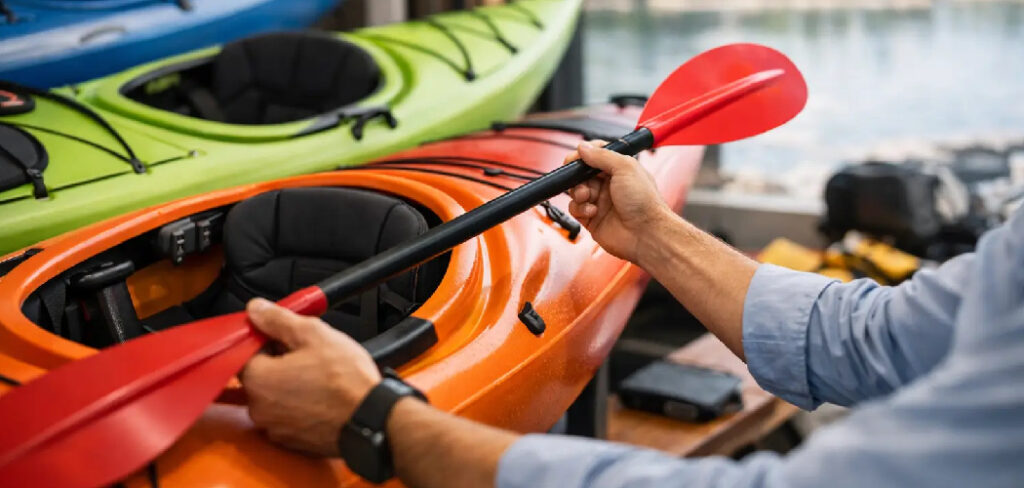
Figuring out how to choose a kayak paddle does not require a degree in marine engineering, but it does demand a little bit of attention to your body and your boat. Knowing your personal measurements and understanding your paddling style will transform your experience on the water. This comprehensive guide will walk you through the exact process of selecting the perfect paddle for your next outdoor adventure.
Why Understanding Paddle Selection Matters
Learning this specific skill pays massive dividends for campers, anglers, and outdoor beginners looking to explore local waterways. When you hold a properly fitted shaft, your strokes become vastly more efficient, meaning you cover more distance with significantly less physical effort. You will experience fewer blisters, reduce the strain on your joints, and keep your energy levels high for setting up camp later in the day.
Using an ill-fitting paddle often forces you to alter your natural posture. You might find yourself leaning awkwardly over the edge of your boat or raising your arms too high to compensate for a short shaft. A well-chosen blade simply glides through the water, allowing you to maintain a relaxed, ergonomic posture. Selecting the right gear gives you the confidence to explore further from the shoreline, knowing your equipment fully supports your physical capabilities and your adventure goals.
Tools and Materials You’ll Need
Gathering a few basic items before you start shopping will make the entire selection process smooth and straightforward. You need a reliable measuring tape to find your exact torso length and the specific width of your boat. Having the manufacturer specifications for your current kayak helps immensely, as the maximum width of the hull directly dictates the length of the shaft you require.
You should also keep a notebook and pen handy to write down your measurements and compare different materials. Bringing along a pair of paddling gloves provides a more realistic feel when you test out different shaft grips in a store. As a helpful optional item, consider keeping a small roll of grip tape nearby. Grip tape allows you to customize the texture of a bare fiberglass or aluminum shaft later, giving you ultimate control over how the equipment feels in your bare hands.
8 Step-by-Step Guide on How to Choose a Kayak Paddle
Step 1 – Measure Your Kayak Width
Your boat’s width serves as the foundational measurement for finding your perfect shaft length. Grab your measuring tape and locate the absolute widest point of your kayak, usually located right around the cockpit seating area. A wider hull requires a longer shaft so you can comfortably reach the water without constantly banging your knuckles against the plastic side rails.
Recreational kayaks typically measure between twenty-eight and thirty-four inches wide, demanding a longer reach to clear the edges. Touring or sea kayaks feature a much narrower profile, allowing you to use a slightly shorter shaft for more aggressive strokes. Write down this exact measurement in inches, as most sizing charts rely heavily on this specific number. Knowing your boat’s dimensions prevents you from buying a piece of equipment that forces you to strain your back during every single stroke.
Step 2 – Determine Your Torso Height
Your physical height plays a crucial role in the selection process, but your torso length matters much more than your overall stature. To find this measurement, sit up straight in a rigid chair and have a friend measure the distance from the seat of the chair to your nose. A taller torso means you sit higher up in the boat, requiring extra length to submerge the blade properly into the water.
Shorter paddlers sitting low to the water line can comfortably maneuver with a shorter shaft. Combining your torso height with your boat’s width gives you the exact dimensions needed to confidently navigate the gear aisle. Understanding these combined metrics forms the absolute core of how to choose a kayak paddle successfully. This step guarantees you walk away with a tool custom-tailored to your unique physical proportions.
Step 3 – Select the Right Shaft Material
The material of your shaft determines the overall weight you will lift thousands of times during a single afternoon trip. Aluminum represents the most affordable option, offering extreme durability for beginners who might accidentally strike a few rocks. However, aluminum feels cold to the touch on chilly mornings and carries significant weight that quickly tires out your arms.
Fiberglass serves as an excellent middle-ground option, balancing a lighter weight with reasonable pricing and a warm touch. Carbon fiber remains the premium choice for dedicated enthusiasts, offering an incredibly featherlight feel that maximizes energy transfer with zero wasted effort. When you hold a carbon fiber shaft, it feels almost weightless in your hands, allowing you to paddle for hours without fatigue. Consider your budget and your typical excursion length when deciding which material best supports your journey.
Step 4 – Pick the Ideal Blade Material
Just like the shaft, the material composing your blades dictates durability, flexibility, and overall performance in the water. Nylon or plastic blades represent the standard for entry-level gear, easily surviving rough landings on gravel beaches and shallow riverbeds. While incredibly tough, plastic blades tend to flex under heavy water pressure, meaning you lose a tiny fraction of power with every stroke.
Fiberglass blades provide a noticeably stiffer catch, slicing cleanly into the water and transferring your energy directly into forward momentum. Carbon fiber blades offer the ultimate rigid performance, propelling your boat forward with absolute precision and zero flex. You will notice a distinct, crisp sound as a stiff blade enters the water, signaling a highly efficient stroke. Choose a material that aligns with how aggressively you paddle and where you plan to launch your boat.
Step 5 – Choose the Correct Blade Shape
The shape of your blades dictates how the water flows over the surface and how much effort you expend to move forward. Asymmetrical blades represent the most common design, featuring a slightly narrower top edge that prevents the paddle from twisting awkwardly in your hands. This clever shape ensures the surface area remains perfectly balanced as it moves through the water, saving your wrists from unnecessary torque.
You must also decide between long, narrow blades and short, wide ones depending on your stroke style. Narrow blades work beautifully for relaxed, low-angle paddling where you casually cruise across calm lakes for hours. Wide blades grab a massive amount of water instantly, making them perfect for aggressive, high-angle strokes when you need sudden bursts of speed or quick maneuvers.
Step 6 – Decide Between a Straight or Bent Shaft
The physical geometry of the shaft greatly impacts your long-term comfort and the health of your wrist joints. A straight shaft offers a traditional, straightforward feel that most beginners find entirely intuitive and easy to handle right away. Straight shafts cost less and give you complete freedom to place your hands exactly where they feel most comfortable.
Alternatively, a bent shaft features distinct structural kinks designed to keep your wrists in a perfectly neutral alignment during the power phase of your stroke. If you suffer from joint pain or plan to take massive multi-day camping trips, a bent shaft dramatically reduces repetitive strain injuries. Understanding your ergonomic needs is a vital part of how to choose a kayak paddle for long-term comfort. Test both styles if possible to see which alignment feels most natural for your specific grip.
Step 7 – Check the Feathering Options
Feathering refers to the angle of the blades relative to one another at opposite ends of the shaft. Unfeathered blades align perfectly parallel to each other, meaning they both face the exact same direction at all times. Feathered blades sit at an offset angle, meaning that while one blade slices through the air, the other catches the water.
This offset design significantly reduces wind resistance on the exposed blade, saving you massive amounts of energy on breezy days. Most modern shafts feature a simple push-button ferrule system in the center, allowing you to easily adjust the feathering angle on the fly. You can experiment with different angles during your trip to find the perfect setup that minimizes wind drag without straining your wrists during the rotation.
Step 8 – Test the Grip and Weight
The final step involves actually putting your hands on the equipment to evaluate the tactile sensation and balance. Pick up the shaft and hold it precisely where you would during a normal stroke, keeping your hands slightly wider than shoulder-width apart. Pay close attention to the diameter of the shaft, ensuring your fingers can comfortably wrap around it without squeezing too tightly.
Smaller hands benefit greatly from a reduced-diameter shaft, which prevents agonizing hand cramps after a long day of navigating shorelines. Swing your arms gently in a paddling motion to feel how the weight distributes from the center to the blades. The equipment should feel incredibly balanced, almost like a natural extension of your own arms, ready to propel you smoothly through your next adventure.
Common Mistakes When Selecting a Paddle
One of the most frequent errors beginners make is buying a shaft that is significantly too short for their specific boat width. When you use a short shaft on a wide recreational hull, you end up constantly scraping your knuckles against the plastic side rails. This repetitive friction not only damages your hands but also forces you to lean awkwardly side to side, compromising your stability on the water. Another major misstep involves completely ignoring the total weight of the equipment in favor of the absolute cheapest price tag. Saving a few dollars on a heavy aluminum and plastic model often leads to severe shoulder fatigue within the first hour of your trip.
Many newcomers also mismatch their blade shape to their actual paddling style, causing unnecessary strain. Buying a wide, aggressive blade for a relaxed afternoon float means you will expend far too much energy moving small amounts of water. Conversely, using a narrow touring blade for fast-moving river situations leaves you without the instant power needed to dodge obstacles. People also frequently forget to consider shaft diameter, leading to agonizing hand cramps when trying to grip a thick shaft with small hands. Taking the time to evaluate these specific details prevents you from abandoning your new hobby due to entirely avoidable physical discomfort.
Expert Tips
To truly elevate your time on the water, consider adding brightly colored or highly visible blades to your setup. Neon yellow or vibrant orange blades serve as excellent safety markers, making you incredibly visible to motorized boaters from a great distance. You should always ensure your drip rings fit snugly on the shaft, positioned just a few inches above the blades. These simple rubber rings stop freezing water from running down the shaft and soaking your lap during an otherwise perfect morning.
If you plan to navigate extremely cold environments, absolutely prioritize a fiberglass or carbon fiber shaft over bare aluminum. Metal rapidly drains the heat right out of your bare hands, whereas composite materials retain a neutral, comfortable temperature regardless of the weather. Wrapping the grip areas in specialized silicone tape adds amazing traction and entirely prevents painful blisters when paddling without gloves.
Frequently Asked Questions
Do I need a different paddle for a tandem kayak?
Yes, you generally need a slightly longer shaft when navigating a tandem boat compared to a solo vessel. Tandem kayaks feature wider hulls to accommodate two people, requiring more reach to comfortably clear the side rails. The person sitting in the rear often needs the longest shaft, as the back of the boat typically flares out slightly wider than the front seating area.
How do I know if my grip is too wide or too narrow?
You can check your grip by placing the center of the shaft on your head and holding your arms up to form a box shape. Your elbows should naturally bend at a perfect ninety-degree angle when your hands rest on the shaft. If your elbows flare out wider than ninety degrees, your grip is too wide, which rapidly drains your shoulder strength.
What is the advantage of a two-piece shaft?
A two-piece shaft offers incredible convenience for storage and transportation, easily breaking down to fit inside the trunk of a standard sedan. This design also allows you to adjust the feathering angle of the blades depending on the current wind conditions. Most two-piece designs lock together securely, feeling exactly like a solid one-piece model when you are actively maneuvering through the water.
Can I use a whitewater paddle for flatwater lakes?
You technically can use whitewater gear on flatwater, but it feels incredibly inefficient over long distances. Whitewater blades are extremely wide and short, designed to grab massive chunks of water for instant, jerky maneuvers rather than smooth forward gliding. Using this aggressive style on a calm lake will quickly exhaust your muscles and slow down your overall cruising speed.
How should I store my gear during the off-season?
Always rinse your equipment thoroughly with fresh water after every single trip to remove corrosive salt, sand, and river debris. Store the two pieces separated in a dry, shaded area to prevent the central ferrule joint from seizing up permanently. Keeping the materials away from direct sunlight prevents harmful ultraviolet rays from degrading the plastic blades and fading the bright safety colors.
Conclusion
Finding the perfect equipment transforms your outdoor excursions from exhausting physical workouts into peaceful, rejuvenating journeys through nature. Taking the exact measurements of your boat and your body ensures you invest in a tool that actively supports your posture and your energy levels. When you match your blade shape to your specific cruising style, you move through the water with maximum efficiency and minimal effort. You no longer have to worry about aching shoulders or blistered hands ruining a beautiful weekend at the lake.
Understanding how to choose a kayak paddle unlocks an entirely new level of comfort and confidence on the water. You will find yourself wanting to stay out past sunset, exploring hidden coves and quiet tributaries that once felt entirely out of reach. Trust your measurements, test the weight in your hands, and prepare to experience the water with absolute freedom on your very next trip.

About Caleb
Caleb Merritt is a Virginia-based outdoor writer and gear analyst who has spent over a decade sleeping on the ground, crossing mountain passes, and obsessively shaving grams off his pack weight. He holds a Bachelor of Science in Environmental Science from James Madison University, where he also served as president of the university’s outdoor recreation club. After graduating, he spent three years as a wilderness educator with a backcountry youth program in the Shenandoah Valley — teaching Leave No Trace ethics, backcountry navigation, and campcraft — before moving into full-time writing in 2018.
His work focuses on one core belief: the best gear is the gear you understand. Whether he’s doing a side-by-side weight comparison of ultralight shelters or writing a beginner’s guide to building a sub-20-lb base weight kit, Caleb writes with the same directness you’d expect from a trusted trail partner. He has logged more than 4,000 miles across iconic routes including the John Muir Trail, the Wind River Range, Vermont’s Long Trail, and the Collegiate Peaks Loop in Colorado.
Areas of Expertise
- Ultralight backpacking systems and base weight optimization
- Tent, tarp, and shelter testing across three-season and shoulder-season conditions
- Sleeping bag and quilt temperature rating verification
- Backpacking nutrition, meal planning, and calorie-per-ounce analysis
- Leave No Trace principles and wilderness ethics
- Campfire safety, bear country protocols, and water treatment methods
- Gear care, repair, and long-term durability assessment
Education
James Madison University — B.S. in Environmental Science, 2015
During his time at JMU, Caleb served as President of the Outdoor Recreation Club, where he planned and led more than 30 backcountry trips annually across the Blue Ridge Mountains and Appalachian Trail corridor. The role sharpened his ability to assess gear performance under real conditions, manage group safety in remote environments, and develop the kind of practical trail knowledge that no classroom can teach.
Professional Experience
Gear Writer & Senior Contributor — [campeox.com]
Produces in-depth gear reviews, buyer’s guides, and how-to content across backpacking, camping, and ultralight hiking categories. Tests all gear in real field conditions before publishing recommendations.
Wilderness Educator & Trip Leader — Shenandoah Backcountry Youth Program — 2015–2018 Led multi-day backcountry expeditions for teens and young adults throughout Shenandoah National Park and George Washington National Forest. Taught LNT principles, orienteering, first aid awareness, and campcraft fundamentals.
Outdoor Recreation Club President — James Madison University — 2013–2015 Organized and led university-sponsored hiking, backpacking, and camping trips in the Blue Ridge Mountains and Appalachian Trail corridor. Managed club budget, safety protocols, and trip logistics for a membership of 120+ students.
Editorial Standards
Every piece of gear Caleb recommends has been personally tested in the field — not just unboxed and described. His review process includes a minimum of two overnight trips per shelter, a full-season evaluation for sleep systems, and side-by-side comparisons wherever possible. He does not accept payment for positive reviews. Affiliate relationships, where they exist, are always disclosed in accordance with FTC guidelines.
All factual claims about gear specifications, trail distances, and safety recommendations are cross-referenced against manufacturer data sheets and established sources such as the Leave No Trace Center for Outdoor Ethics and the American Hiking Society before publication.