There’s nothing quite like watching your dog bound down a forest path, tail wagging, nose working overtime as new smells drift by. Hiking with your dog turns an ordinary walk into a shared adventure, but a great trail companion isn’t born that way. Learning how to train your dog for hiking takes a little groundwork, and the reward is a fit, focused buddy who thrives beside you in the wild.
You don’t need a marathon-running breed or a fancy setup to begin. Any healthy, willing dog can build the stamina, manners, and confidence that trails demand. This guide walks first-time hikers through every essential, from gear to training steps to common mistakes, so you and your dog can hit the trailhead ready for anything.
Why Training Your Dog for Hiking Matters
Trained dogs make safer, happier trail partners, and that benefits everyone on the path. A dog who responds to your cues stays close when a mountain biker whizzes past or a squirrel darts across the trail. That reliability keeps your pup out of danger and lets you actually relax and enjoy the scenery.
For campers and outdoor beginners, a well-prepared dog means fewer surprises. Your dog learns to handle rocky terrain, ignore wildlife, and settle calmly at camp instead of barking through the night.
Beyond safety, hiking gives your dog serious mental and physical enrichment. The sniffing, climbing, and problem-solving tire them out in the best way. You’ll notice a calmer dog at home, a stronger bond between you, and shared memories that make every mile worth it.
Tools and Materials You’ll Need
The right gear keeps your dog comfortable, hydrated, and secure from the first mile to the last.
- A sturdy, well-fitted harness with a back clip for control
- A hands-free or six-foot leash for varied terrain
- Collapsible water bowl and enough fresh water for both of you
- High-value treats for rewarding good trail behavior
- Poop bags to pack out waste responsibly
- Updated ID tags plus a microchip for backup
- Flea, tick, and parasite protection from your vet
- A pet-friendly first-aid kit for cuts or sore paws
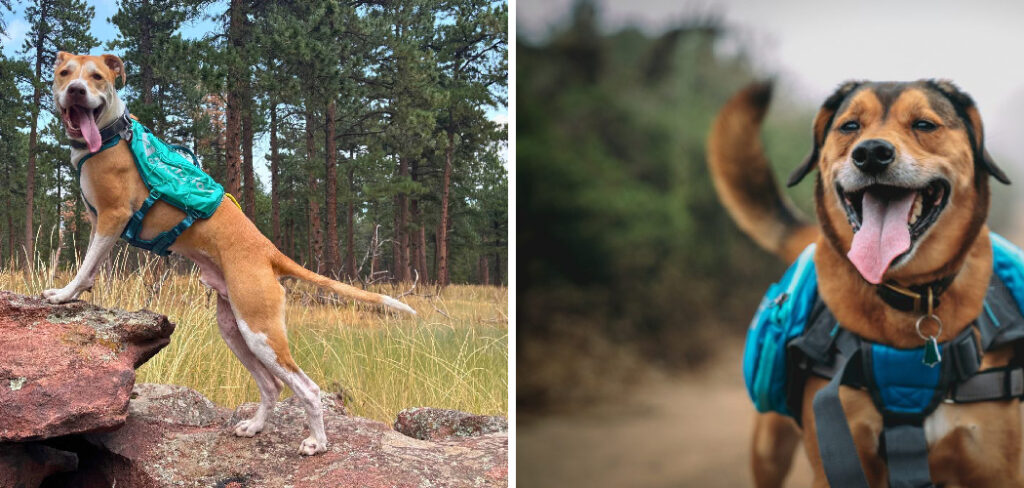
One optional item worth packing is a dog backpack. Once your pup builds strength, a properly loaded pack lets them carry their own water and snacks. It also gives working breeds a job to focus on, which can curb restless energy and make the whole hike feel purposeful.
8 Step-by-Step Guide on How to Train Your Dog for Hiking
Building a trail-ready dog comes down to steady, positive practice. Follow these steps in order, and you’ll find that how to train your dog for hiking is less about drills and more about growing trust one outing at a time.
Step 1 – Book a Vet Checkup First
Before you lace up your boots, make sure your dog is physically ready for the trail. Schedule a checkup so your vet can confirm your dog’s joints, heart, and paws can handle the demands of hiking.
This matters most for puppies, whose growth plates haven’t closed, and for senior dogs who may tire faster. Your vet can also update vaccines and recommend the right tick prevention for your region.

Picture the peace of mind you’ll feel knowing your dog is cleared and protected. That single appointment sets a safe foundation for everything that follows. Ask about your specific breed’s limits too, since a bulldog and a border collie have very different stamina levels on rugged ground.
Step 2 – Nail Down Basic Obedience
Solid obedience is the backbone of every safe hike. Before you tackle real trails, your dog should reliably respond to “sit,” “stay,” “come,” and “leave it” in low-distraction settings.
Practice these cues in your backyard or living room using treats and praise. Keep sessions short and upbeat, ending while your dog still wants more. The goal is a happy, eager learner, not a bored one.
The “leave it” command becomes priceless on the trail, where tempting scraps, animal droppings, and even toxic plants line the path. Imagine calling your dog away from a snake sunning on a warm rock. That instant response could save their life, so drill it until it becomes second nature.
Step 3 – Get Your Dog Used to Gear
Introduce the harness and leash indoors, where your dog feels calm and safe. Lay the gear out, let them sniff it, and reward that curiosity with a treat.
Slip the harness on for just a minute at first, then extend the time over several days. Watch for signs it fits right, checking that you can slide two fingers under every strap without gaps or pinching.
If you plan to use a dog backpack later, start with it empty and lightweight. Let your dog wear it around the house so the feeling becomes familiar. By the time you reach the trail, all that gear should feel like a comfortable second skin rather than a strange, distracting weight.
Step 4 – Build Stamina Gradually
Fitness comes from patience, not a single big push. Start with short daily walks around your neighborhood, then slowly stretch the distance each week as your dog grows stronger.
Add gentle hills and varied surfaces once flat walks feel easy. Grass, gravel, and dirt all work different muscles and toughen up soft paw pads for rougher ground ahead.
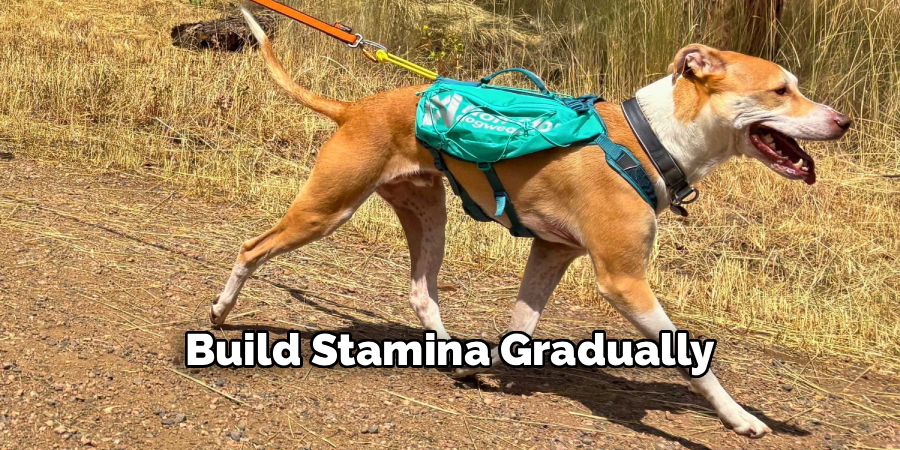
Watch your dog closely for heavy panting, lagging behind, or sudden lie-downs. These signals mean you’ve pushed too far, so scale back and rebuild slowly. A good rule is to increase distance by no more than ten percent each week. Steady conditioning prevents injuries and turns your couch companion into a confident, tireless explorer.
Step 5 – Practice Loose-Leash Walking
A dog who pulls turns a peaceful hike into a tug-of-war. Teach loose-leash walking on quiet sidewalks before you ever reach a trailhead.
Reward your dog whenever the leash stays slack and they walk beside you. If they surge ahead, stop moving and wait. The pulling gets them nowhere, and soon they learn that a relaxed leash keeps the adventure going.
Feel the difference in your hand between a taut, straining line and a gentle, easy connection. That loose leash is your goal. On narrow trails with steep drop-offs, a dog who walks calmly at your side keeps you both steady and safe, especially when passing other hikers in tight spots.
Step 6 – Take Short Practice Hikes
Now put those skills to the test on easy, well-marked trails. Choose a short, flat route with light foot traffic for your dog’s first real taste of the wild.
Let your dog soak in the experience, from the crunch of leaves underfoot to the chorus of birds overhead. These fresh sights and smells are thrilling, but they can also overwhelm a beginner, so keep the outing brief.
Bring water and offer sips often, even if your dog seems fine. Reward calm behavior around new triggers like other dogs or rustling brush. Ending on a positive note leaves your pup eager for the next trip, building the enthusiasm that makes longer hikes a joy.
Step 7 – Master Trail Etiquette and Recall
Good trail manners protect wildlife, other hikers, and your dog. Practice a rock-solid recall so your dog returns instantly, even off-leash where local rules allow it.
Test recall in a fenced area first, gradually adding distractions like toys, people, and other dogs. Reward every fast return generously so coming back always feels rewarding.
Teach your dog to yield to horses, step aside for passing hikers, and ignore wildlife completely. Knowing how to train your dog for hiking means shaping a considerate companion, not just a fit one. Pack out every bit of waste, keep barking in check, and your dog will earn a warm welcome on any trail you explore together.
Step 8 – Prepare for Longer Adventures
With the basics locked in, you can start planning bigger outings. Build up mileage slowly, watching closely for fatigue, sore paws, or reluctance to keep moving.
Pack extra water, snacks, and a paw balm for hot or rocky terrain. Check the weather and avoid the midday heat, since dogs overheat far faster than we do. The sound of a water bottle opening can become a welcome signal for a shady rest break.
Always research your destination ahead of time. Some parks ban dogs, while others require leashes or permits. Know the distance, elevation, and water sources before you go. Careful planning keeps your first big hikes safe, smooth, and genuinely fun for both of you.
Common Mistakes When Training Your Dog for Hiking
Even devoted owners fall into a few predictable traps, and spotting them early saves you both a lot of grief.
The biggest mistake is doing too much too soon. Excitement pushes people to attempt a steep, all-day summit before their dog has any conditioning, which leads to exhaustion, injured joints, or torn paw pads. Build fitness gradually and respect your dog’s current limits, no matter how eager you feel.
Another common error is skipping hydration and forgetting the heat. Dogs can’t cool themselves the way we do, and they overheat quickly on sunny trails. Never rely on stream water alone, since it may carry parasites. Pack plenty of fresh water and take frequent shade breaks.
Many beginners also neglect paw protection. Sharp rocks, hot rocks, and rough terrain shred unconditioned pads, leaving your dog limping miles from the car. Toughen paws slowly and check them often during breaks.
Finally, plenty of hikers head out with shaky recall and obedience. A dog who bolts after wildlife or ignores your cues puts everyone at risk. Nail down training at home before you ever tackle a challenging trail.
Expert Tips
Always end training sessions and hikes while your dog still feels happy and energized. Stopping on a high note keeps them excited for the next adventure instead of dreading the effort.
Pack a small towel and check your dog for ticks, burrs, and cuts after every hike. A quick once-over catches problems before they turn serious.
Teach your dog to drink from a collapsible bowl at home so they’re not confused by it on the trail. Hydration matters most when it’s hardest to get.
Start with cooler morning hours during warm months, and match the trail difficulty to your dog’s real fitness, not your ambitions. Above all, stay patient and keep every outing positive, because a relaxed, well-conditioned dog is the safest and happiest trail partner you could ask for.
Frequently Asked Questions
What age can my dog start hiking?
Wait until your puppy’s growth plates close before attempting real hikes, usually around twelve to eighteen months depending on breed size. Larger breeds mature more slowly, so ask your vet for guidance. Younger pups can enjoy short, gentle walks to build confidence, but strenuous trails risk damaging developing joints. Patience now protects your dog’s mobility for years to come.
How far can a beginner dog hike?
Start with one to two miles of easy, flat terrain for a healthy adult dog. Build distance slowly, adding no more than ten percent each week as fitness improves. Watch for signs of fatigue like lagging, heavy panting, or lying down. Every dog is different, so let your pup’s energy and body language guide how far you go.
Do I need to keep my dog leashed on trails?
Most trails require dogs to stay leashed, and following that rule protects wildlife, other hikers, and your dog. Even where off-leash is allowed, only unclip if your dog has rock-solid recall and stays close. Always check local regulations before you go. A hands-free leash offers freedom of movement while keeping you in control on tricky or crowded sections.
How much water should I bring for my dog?
Plan for roughly one ounce of water per pound of body weight per day, and pack more for hot weather or strenuous routes. Never let your dog drink from streams or puddles, since they may contain harmful parasites. Offer water at every break, even before your dog seems thirsty. A collapsible bowl makes hydration quick and easy on the go.
What should I do if my dog gets tired on the trail?
Stop immediately, find shade, and offer water and rest. Let your dog cool down fully before deciding whether to continue or turn back. Check their paws for cuts or soreness while you wait. For small dogs, a carrier backpack can help you get home safely. Always plan routes with an easy exit so a tired dog is never stranded far from the car.
Conclusion
Turning your everyday dog into a confident trail companion is one of the most rewarding projects you’ll take on together. When you understand how to train your dog for hiking, you gain a fit, focused partner who makes every outdoor adventure safer and more fun.
Remember the path that gets you there. Start with a vet checkup and solid obedience, get your dog comfortable in their gear, and build stamina slowly. Practice loose-leash walking, take short trial hikes, and master recall and trail etiquette before working up to longer treks.
Steer clear of the common traps too. Skip the urge to overdo it, pack plenty of water, protect those paws, and never head out with shaky training.
Your dog won’t become a mountain goat overnight, and that’s exactly the point. Each small step builds the strength, manners, and trust that make the trail feel like home. So grab your gear, pick an easy route, and start today. The mountains, forests, and your eager four-legged friend are all waiting.

About Caleb
Caleb Merritt is a Virginia-based outdoor writer and gear analyst who has spent over a decade sleeping on the ground, crossing mountain passes, and obsessively shaving grams off his pack weight. He holds a Bachelor of Science in Environmental Science from James Madison University, where he also served as president of the university’s outdoor recreation club. After graduating, he spent three years as a wilderness educator with a backcountry youth program in the Shenandoah Valley — teaching Leave No Trace ethics, backcountry navigation, and campcraft — before moving into full-time writing in 2018.
His work focuses on one core belief: the best gear is the gear you understand. Whether he’s doing a side-by-side weight comparison of ultralight shelters or writing a beginner’s guide to building a sub-20-lb base weight kit, Caleb writes with the same directness you’d expect from a trusted trail partner. He has logged more than 4,000 miles across iconic routes including the John Muir Trail, the Wind River Range, Vermont’s Long Trail, and the Collegiate Peaks Loop in Colorado.
Areas of Expertise
- Ultralight backpacking systems and base weight optimization
- Tent, tarp, and shelter testing across three-season and shoulder-season conditions
- Sleeping bag and quilt temperature rating verification
- Backpacking nutrition, meal planning, and calorie-per-ounce analysis
- Leave No Trace principles and wilderness ethics
- Campfire safety, bear country protocols, and water treatment methods
- Gear care, repair, and long-term durability assessment
Education
James Madison University — B.S. in Environmental Science, 2015
During his time at JMU, Caleb served as President of the Outdoor Recreation Club, where he planned and led more than 30 backcountry trips annually across the Blue Ridge Mountains and Appalachian Trail corridor. The role sharpened his ability to assess gear performance under real conditions, manage group safety in remote environments, and develop the kind of practical trail knowledge that no classroom can teach.
Professional Experience
Gear Writer & Senior Contributor — [campeox.com]
Produces in-depth gear reviews, buyer’s guides, and how-to content across backpacking, camping, and ultralight hiking categories. Tests all gear in real field conditions before publishing recommendations.
Wilderness Educator & Trip Leader — Shenandoah Backcountry Youth Program — 2015–2018 Led multi-day backcountry expeditions for teens and young adults throughout Shenandoah National Park and George Washington National Forest. Taught LNT principles, orienteering, first aid awareness, and campcraft fundamentals.
Outdoor Recreation Club President — James Madison University — 2013–2015 Organized and led university-sponsored hiking, backpacking, and camping trips in the Blue Ridge Mountains and Appalachian Trail corridor. Managed club budget, safety protocols, and trip logistics for a membership of 120+ students.
Editorial Standards
Every piece of gear Caleb recommends has been personally tested in the field — not just unboxed and described. His review process includes a minimum of two overnight trips per shelter, a full-season evaluation for sleep systems, and side-by-side comparisons wherever possible. He does not accept payment for positive reviews. Affiliate relationships, where they exist, are always disclosed in accordance with FTC guidelines.
All factual claims about gear specifications, trail distances, and safety recommendations are cross-referenced against manufacturer data sheets and established sources such as the Leave No Trace Center for Outdoor Ethics and the American Hiking Society before publication.