Nothing beats the thrill of hitting the trail or traveling to a new destination. You rely on your gear to carry your essentials, protect your valuables, and keep you comfortable. Over time, dirt, sweat, and food crumbs accumulate inside and outside your favorite bag. Ignoring this buildup can lead to unpleasant odors and degraded fabric, shortening the lifespan of your trusted companion.
Learning how to wash a backpack is an essential skill for any travel or camping enthusiast. Proper maintenance ensures your gear stays durable, smells fresh, and functions perfectly for years to come. Whether you just returned from a muddy weekend hike or a long backpacking trip across Europe, taking the time to clean your equipment makes a massive difference. Read on to discover the best techniques to restore your bag to its original glory.
Why Routine Cleaning Matters for Your Gear
Maintaining your camping and travel equipment goes beyond simple aesthetics. Dirt and fine sand act like sandpaper on synthetic fabrics, slowly wearing down the fibers and compromising water-resistant coatings. When sweat soaks into the shoulder straps and back panels, bacteria thrive, leading to stubborn odors that can ruin your next trip.
Taking proper care of your bag protects your investment. High-quality outdoor gear is expensive, and replacing it frequently drains your travel budget. By removing grime and treating the fabric with care, you preserve the zippers, seams, and protective seals. Regular maintenance also gives you an opportunity to inspect your bag for early signs of wear and tear. Finding a small rip or a broken buckle at home is much easier to manage than dealing with a catastrophic failure miles away from civilization.
7 Step-by-Step Guide: How to wash a backpack
Step 1: Empty Every Compartment Completely
The very first thing you must do is remove absolutely everything from your bag. People often forget hidden pockets or tiny compartments, leaving behind small items that cause massive problems during the cleaning process. A forgotten tube of lip balm, a loose pen, or an old piece of candy will melt and create a permanent mess on the fabric.
Take your time unzipping every single section. Turn the bag upside down and shake it vigorously to dislodge crumbs, sand, and loose debris. Leave all the zippers completely open. If your bag has a removable internal frame, aluminum stays, or a detachable daypack, take them off now. You only want to submerge the soft fabric components to avoid damaging the structural elements.
Step 2: Brush Off Dry Dirt and Mud
Once your bag is completely empty, grab a soft-bristled brush to tackle the exterior. A clean shoe brush or an old toothbrush works perfectly for this task. Gently scrub the outside of the bag to remove dried mud, dust, and loose dirt. Brushing the fabric while it is dry prevents you from pushing the dirt deeper into the fibers when you introduce water later.
Pay close attention to the bottom of the bag, as this area usually collects the most grime from resting on the ground. Carefully brush around the zippers to dislodge any sand trapped in the teeth, which can cause the zippers to stick or derail. Thorough dry brushing significantly reduces the amount of work you have to do once the bag is actually wet.
Step 3: Spot Treat Stubborn Stains
Before submerging the entire bag, you need to address heavy stains, sticky tree sap, or ground-in dirt. Create a simple cleaning solution using warm water and a few drops of mild, bleach-free detergent. Dip a soft cloth or a sponge into this mixture and gently apply it to the stained areas.
Let the soapy solution sit on the fabric for about thirty minutes. This soaking period loosens the oils and dirt, making them much easier to wipe away. Avoid using harsh chemicals, bleach, or heavy-duty stain removers, as these will strip away the durable water repellent coating on the fabric. Light, circular scrubbing motions work best to lift the stain without damaging the structural integrity of your gear.
Step 4: Prepare a Lukewarm Bath
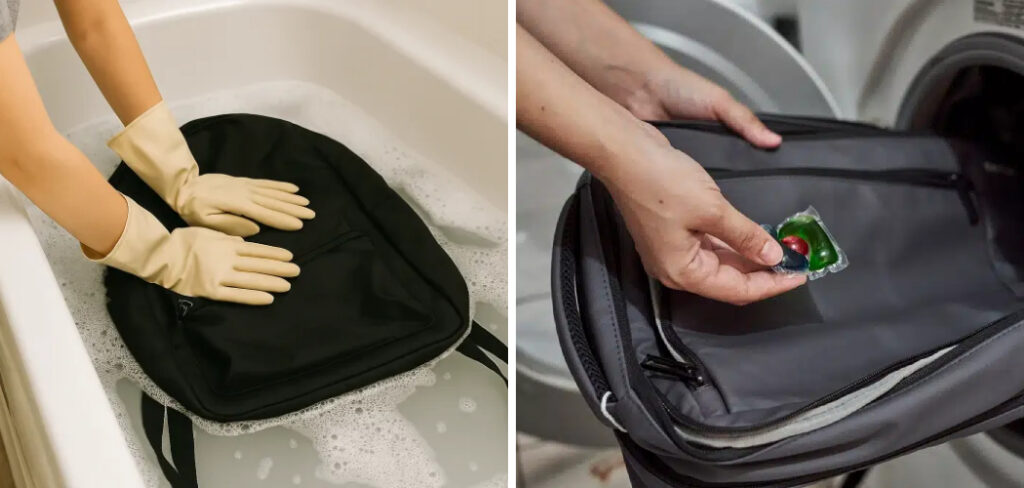
Now it is time to prepare the main wash. Fill a large basin, bathtub, or deep sink with lukewarm water. Never use hot water, as high temperatures can melt waterproof coatings and cause the fabric colors to bleed or fade. The water should feel comfortable to the touch, similar to a tepid bath.
Add a small amount of mild, non-detergent soap to the water. Specialized outdoor gear washes are highly recommended because they clean the fabric without leaving behind heavy residues. Swish the water around with your hands to ensure the soap is fully dissolved and distributed evenly. Creating this gentle environment ensures your equipment gets thoroughly clean without facing unnecessary chemical stress.
Step 5: Submerge and Scrub the Fabric
Place your fully unzipped bag into the lukewarm bath. Push it down gently to ensure the water fully saturates the foam padding and fabric. Let it soak for about fifteen minutes to loosen up any deeply embedded sweat and grime.
After soaking, use a soft sponge or cloth to wipe down both the interior and exterior surfaces. Focus heavily on the shoulder straps, the hip belt, and the back panel. These areas absorb the most sweat and dead skin cells, making them the primary source of bad odors. Give these padded sections an extra squeeze to flush the dirty water out of the foam. Knowing exactly how to wash a backpack means understanding that the foam inserts require the most attention during the scrubbing phase.
Step 6: Rinse Away All Soap Residue
Drain the dirty, soapy water from your tub or basin completely. You will likely be surprised by how dark and murky the water has become. Refill the tub with clean, cool water for the rinsing phase.
Submerge the bag again, squeezing the foam straps and hip belt repeatedly to force the soap out. You may need to drain and refill the tub two or three times to completely remove all the suds. Leaving soap residue inside the fabric can attract dirt faster on your next trip and degrade the material over time. Alternatively, you can take the bag into the shower and use a handheld showerhead to thoroughly rinse every compartment until the water runs completely clear.
Step 7: Air Dry Completely Before Storing
Never put your bag in a mechanical dryer, as the intense heat will destroy the synthetic fibers and melt the plastic buckles. Instead, gently press down on the padded areas with a thick, dry towel to absorb as much excess moisture as possible. Avoid wringing or twisting the fabric, which can warp the shape of the bag.
Hang the bag upside down in a well-ventilated, shaded area. Hanging it upside down prevents water from pooling in the bottom corners. Keep it away from direct sunlight, as strong UV rays can degrade the fabric and cause the vibrant colors to fade. Ensure the bag is one hundred percent dry inside and out before putting it away to prevent harmful mold and mildew growth.
Frequently Asked Questions (FAQ)
Can I Put My Bag in the Washing Machine?
We strongly advise against using a washing machine. The agitator in a standard washing machine can snag straps, break plastic buckles, and tear the fabric. Even on a gentle cycle, the machine can ruin the protective waterproof coatings. Hand washing is the safest and most effective method to ensure your outdoor gear remains fully intact and functional.
What Type of Soap Should I Use?
Always use a gentle, non-detergent soap. Standard laundry detergents often contain perfumes, bleach, and harsh chemicals that strip away durable water repellent (DWR) coatings. You can purchase specialized outdoor gear washes designed specifically for synthetic travel bags. If that is unavailable, a mild castile soap or baby shampoo serves as a safe, effective alternative.
How Often Should I Clean My Gear?
You do not need to do a deep clean after every single trip. A thorough wash once or twice a year is usually sufficient for regular travelers and campers. However, you should consider doing it sooner if:
- The fabric is visibly caked in mud.
- You notice a strong, unpleasant odor.
- You accidentally spilled food or liquids inside.
How Do I Remove Lingering Odors?
If your bag still smells bad after a standard wash, you likely have bacteria trapped in the foam padding. You can treat these odors using natural remedies.
- Spray the smelly areas lightly with white vinegar.
- Sprinkle baking soda on the dry fabric and let it sit overnight.
- Let the bag air out in a breezy, shaded area for a few days.
Should I Reapply Waterproofing After Cleaning?
Yes, cleaning often diminishes the original water-resistant coating. Once your bag is completely dry, test it by splashing a few drops of water on the exterior. If the water absorbs into the fabric instead of beading up and rolling off, it is time to reapply. Spray a high-quality DWR treatment evenly over the exterior and let it dry completely.
Conclusion
Taking care of your camping and travel gear does not have to be a complicated or stressful chore. By emptying the compartments, brushing off dirt, and taking the time to gently hand wash the fabric, you preserve the life of your equipment. Routine maintenance keeps the zippers running smoothly, prevents the buildup of harmful bacteria, and ensures your bag looks pristine for your next journey.
Do not wait until your gear is visibly falling apart or smelling terrible to take action. Grab a soft brush, some mild soap, and a bucket of water today. Now that you understand exactly how to wash a backpack, you can tackle the dirt from your latest adventure with total confidence. Treat your gear well, and it will support you through countless miles of beautiful trails and exciting new destinations.

About Caleb
Caleb Merritt is a Virginia-based outdoor writer and gear analyst who has spent over a decade sleeping on the ground, crossing mountain passes, and obsessively shaving grams off his pack weight. He holds a Bachelor of Science in Environmental Science from James Madison University, where he also served as president of the university’s outdoor recreation club. After graduating, he spent three years as a wilderness educator with a backcountry youth program in the Shenandoah Valley — teaching Leave No Trace ethics, backcountry navigation, and campcraft — before moving into full-time writing in 2018.
His work focuses on one core belief: the best gear is the gear you understand. Whether he’s doing a side-by-side weight comparison of ultralight shelters or writing a beginner’s guide to building a sub-20-lb base weight kit, Caleb writes with the same directness you’d expect from a trusted trail partner. He has logged more than 4,000 miles across iconic routes including the John Muir Trail, the Wind River Range, Vermont’s Long Trail, and the Collegiate Peaks Loop in Colorado.
Areas of Expertise
- Ultralight backpacking systems and base weight optimization
- Tent, tarp, and shelter testing across three-season and shoulder-season conditions
- Sleeping bag and quilt temperature rating verification
- Backpacking nutrition, meal planning, and calorie-per-ounce analysis
- Leave No Trace principles and wilderness ethics
- Campfire safety, bear country protocols, and water treatment methods
- Gear care, repair, and long-term durability assessment
Education
James Madison University — B.S. in Environmental Science, 2015
During his time at JMU, Caleb served as President of the Outdoor Recreation Club, where he planned and led more than 30 backcountry trips annually across the Blue Ridge Mountains and Appalachian Trail corridor. The role sharpened his ability to assess gear performance under real conditions, manage group safety in remote environments, and develop the kind of practical trail knowledge that no classroom can teach.
Professional Experience
Gear Writer & Senior Contributor — [campeox.com]
Produces in-depth gear reviews, buyer’s guides, and how-to content across backpacking, camping, and ultralight hiking categories. Tests all gear in real field conditions before publishing recommendations.
Wilderness Educator & Trip Leader — Shenandoah Backcountry Youth Program — 2015–2018 Led multi-day backcountry expeditions for teens and young adults throughout Shenandoah National Park and George Washington National Forest. Taught LNT principles, orienteering, first aid awareness, and campcraft fundamentals.
Outdoor Recreation Club President — James Madison University — 2013–2015 Organized and led university-sponsored hiking, backpacking, and camping trips in the Blue Ridge Mountains and Appalachian Trail corridor. Managed club budget, safety protocols, and trip logistics for a membership of 120+ students.
Editorial Standards
Every piece of gear Caleb recommends has been personally tested in the field — not just unboxed and described. His review process includes a minimum of two overnight trips per shelter, a full-season evaluation for sleep systems, and side-by-side comparisons wherever possible. He does not accept payment for positive reviews. Affiliate relationships, where they exist, are always disclosed in accordance with FTC guidelines.
All factual claims about gear specifications, trail distances, and safety recommendations are cross-referenced against manufacturer data sheets and established sources such as the Leave No Trace Center for Outdoor Ethics and the American Hiking Society before publication.