You just invested in a premium pair of merino wool foot warmers, and you want them to last. Taking care of high-quality hiking gear feels intimidating at first, but it is actually quite straightforward. Many outdoor enthusiasts worry about shrinking or ruining their favorite trail companions during laundry day.
That is a valid concern, as natural fibers behave differently than synthetic blends. Learning how to wash smartwool socks ensures your gear stays soft, elastic, and odor-resistant for miles to come. Proper care protects the delicate merino fibers from damage while stripping away sweat and trail grime.
You do not need a degree in chemistry to keep your outdoor wardrobe fresh. This guide provides everything you need to maintain your favorite hiking essentials with confidence.
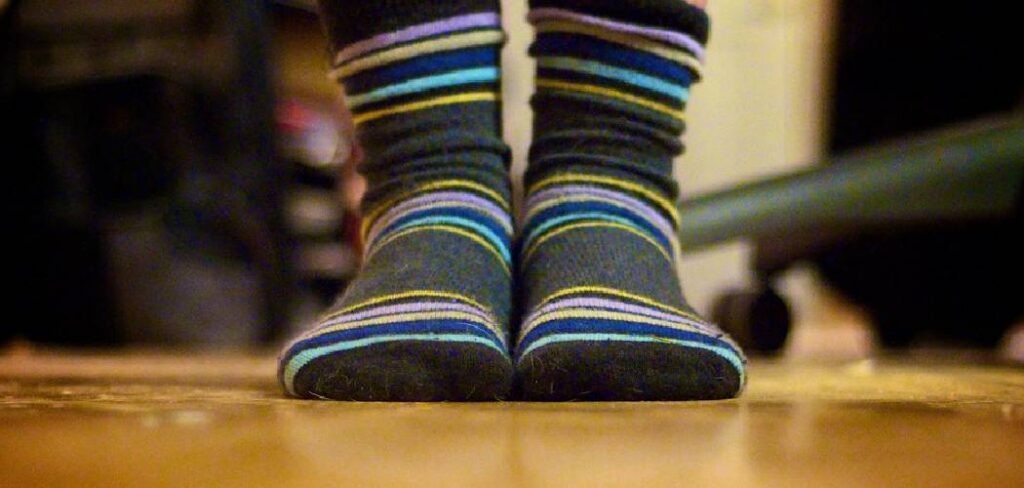
Why Proper Care Matters for Outdoor Beginners
Hitting the trail with fresh, supportive footwear completely changes your hiking experience. When you understand the mechanics behind merino wool, you quickly realize why proper washing techniques remain so important. Merino wool fibers contain a natural wax called lanolin, which naturally resists bacteria and regulates temperature.
Harsh cleaning methods strip away this protective layer, leaving the material scratchy and prone to developing holes. As a beginner, mastering this simple maintenance routine saves you money and prevents painful blisters on long treks. Well-maintained fabric retains its shape and continues to wick moisture away from your skin effectively.
By adopting the right laundry habits early on, you guarantee your gear performs perfectly during unexpected weather changes. Taking care of your equipment means your equipment takes care of you when you need it most.
Tools and Materials You’ll Need
Gathering the right supplies makes the cleaning process quick and stress-free. You probably already have most of these items in your laundry room. Having everything within reach prevents you from using the wrong products out of desperation. Here is your essential checklist:
- Mild, wool-safe liquid detergent
- A washing machine with a gentle or wool cycle setting
- A clean, dry towel for absorbing excess water
- A flat drying rack or a clean, flat surface
- Cold or lukewarm water access
- A mesh laundry bag to prevent snagging (optional but highly recommended)
Step-by-Step Guide on Cleaning Your Wool Footwear
Follow these detailed steps to protect your investment and keep your feet comfortable on every adventure.
Step 1 – Sort Your Laundry by Fabric and Color
Before water ever touches the fabric, you must separate your laundry pile carefully. Heavy garments like denim jeans or jackets with exposed zippers pose a serious threat to delicate natural fibers. The rough textures and sharp metal components easily snag and tear the soft wool during the agitation cycle.
Always group your delicate outdoor gear together to minimize friction. You should also separate dark colors from lighter shades to prevent accidental dye bleeding.
If you are learning how to wash smartwool socks for the very first time, err on the side of caution and wash them in a dedicated delicate load. Taking two minutes to sort your garments prevents irreversible damage and keeps the colors vibrant. This simple preparation sets the foundation for a successful laundry day.
Step 2 – Turn the Socks Inside Out
Flipping each piece inside out is a crucial technique for thoroughly cleaning hiking gear. Your feet sweat directly against the interior loops of the fabric, which is where dead skin cells and odor-causing bacteria accumulate. Exposing this inner layer to the water and detergent ensures a much deeper, more hygienic clean.
This practice also protects the exterior patterns and colors from unnecessary friction against other garments. The outside of the garment remains shielded from the mechanical agitation of the washing machine.
Consequently, your favorite pairs will look brand new for significantly longer, avoiding that worn, fuzzy appearance known as pilling. Make this a permanent habit every time you take your boots off after a long hike.
Step 3 – Inspect for Heavy Dirt and Pretreat Stains
Hiking through muddy trails or dusty terrain inevitably leaves stubborn marks on your gear. Before tossing anything into the drum, inspect the heels and toes for caked-on dirt or heavy stains. Gently brush off any dry, loose mud using your fingers or a soft-bristled brush.
If you spot a stubborn stain, apply a tiny drop of wool-safe detergent directly to the affected area. Massage the soap into the fibers gently using your fingertips, but never scrub aggressively. Scrubbing creates friction that permanently damages and felts the wool fibers, leaving behind hard, uncomfortable patches.
Let the pre-treatment sit for about ten minutes before proceeding to the main wash. This gentle preparation lifts the dirt without compromising the structural integrity of the material.
Step 4 – Choose the Right Detergent for Merino Wool
The cleaning agent you select heavily dictates the lifespan of your natural fiber apparel. Standard commercial detergents often contain harsh enzymes, bleach, and heavy synthetic fragrances. These aggressive ingredients break down the protein structures in merino wool, leading to brittle fibers and premature holes.
Instead, you must purchase a mild liquid detergent specifically formulated for wool or delicates. Liquid formulas perform better than powders because they dissolve entirely in cold water, leaving no gritty residue behind.
Pour the exact amount recommended on the detergent bottle, as adding extra soap does not equal cleaner laundry. Too much sudsing leaves a soapy film on the material, which traps odors and attracts dirt during your next hike. Protect the natural lanolin by keeping the chemical exposure as minimal and gentle as possible.
Step 5 – Set the Washing Machine to the Gentle Cycle
Your washing machine settings determine whether your apparel survives the wash or shrinks into doll clothing. Always select the gentle, delicate, or dedicated wool cycle on your appliance. These specific settings utilize a slow, rocking motion rather than the fast, aggressive spinning of a normal wash.
High-speed agitation causes the microscopic scales on wool fibers to lock together, creating dense, shrunken fabric. This permanent process, known as felting, ruins the elasticity and breathable nature of the garment.
If your machine lacks a specific delicate setting, you can choose the shortest wash cycle available with the lowest spin speed. Using a mesh laundry bag adds another excellent layer of protection against the machine’s mechanical forces. Reducing agitation is the primary secret to keeping your outdoor apparel perfectly sized.
Step 6 – Wash with Cold or Lukewarm Water
Temperature control represents the most critical factor when caring for natural animal fibers. Hot water is the absolute enemy of merino wool, as heat causes the fibers to contract and shrink dramatically. You should always select cold or cool water, aiming for a temperature no higher than eighty degrees Fahrenheit.
Warm water might seem better for removing heavy trail grime, but it risks altering the shape and fit of the garment. Cold water thoroughly cleans the fabric when paired with the correct liquid detergent, so you never need to compromise.
Even the rinse cycle must use cold water to prevent sudden temperature shocks to the material. By sticking exclusively to cold settings, you eliminate the biggest risk factor associated with laundry day.
Step 7 – Skip the Fabric Softeners and Bleach Entirely
Adding fabric softeners or bleach to your laundry load will instantly ruin high-performance outdoor apparel. Bleach actively dissolves the protein bonds in natural wool, creating instant holes and destroying the fabric structure. Fabric softeners coat the fibers in a waxy, synthetic residue designed to make cheap materials feel smoother.
This artificial coating completely blocks the natural moisture-wicking and temperature-regulating properties of merino wool. Your breathable hiking gear will suddenly trap sweat against your skin, leading to severe discomfort and blisters.
The natural fibers already possess incredible softness, making chemical enhancements completely unnecessary. Keep your routine simple and trust the natural performance capabilities of the material. A good wool-safe detergent is the only additive you ever need in the machine.
Step 8 – Remove Carefully and Avoid Wringing the Fabric
Once the washing machine finishes its cycle, you need to handle the wet garments with extreme care. Wet wool becomes incredibly heavy and fragile, making it highly susceptible to stretching out of shape. Lift the items gently from the drum, supporting the weight of the water so the fabric does not pull.
Never twist or wring the wet material in an attempt to remove excess water. Wringing forcefully breaks the internal elastic threads and distorts the shape of the heels and toes. If you are sharing advice on how to wash smartwool socks with a fellow camper, always emphasize this gentle handling.
Instead of twisting, lay the wet garment flat on a clean, dry towel and roll the towel up like a sleeping bag. Press down gently on the towel roll to safely squeeze out the trapped moisture.
Step 9 – Air Dry Flat Away from Direct Sunlight
The final step requires patience, as avoiding the tumble dryer is absolutely mandatory. The extreme heat and tumbling action of a standard dryer will instantly shrink and ruin your gear. You must lay the garments flat on a drying rack or a clean, dry towel to air dry.
Reshape them gently with your hands while they are still damp, smoothing out any wrinkles. Keep the drying area well-ventilated, but ensure it sits far away from direct sunlight or heavy heat sources like radiators.
UV rays from the sun cause the colors to fade rapidly and can bake the fibers until they become brittle. Depending on the humidity in your home, they usually dry completely overnight. Taking the time to air dry flat guarantees a perfect, comfortable fit for your next big outdoor adventure.
Common Mistakes When Washing Merino Wool Socks
Many outdoor enthusiasts accidentally ruin their expensive gear by treating it like standard cotton laundry. The most frequent error involves throwing everything into the tumble dryer out of sheer convenience. The intense heat of a dryer permanently alters the fiber structure, transforming a perfectly fitting garment into something tight and restrictive.
Another widespread mistake is washing these items after every single use, which causes unnecessary wear and tear. High-quality merino wool naturally fights off bacteria, meaning you can wear the same pair multiple times before they actually require a wash. Overwashing breaks down the material faster than hiking miles ever will.
People also frequently make the mistake of using heavy stain removers or bleach pens on tough mud spots. These aggressive chemical solutions burn right through natural animal fibers, creating weak points that eventually turn into large holes. Finally, hanging wet wool vertically over a clothesline stands out as a major structural error. The weight of the water pulls the wet fabric downward, permanently stretching the cuffs and heels out of shape. Avoiding these common pitfalls significantly extends the life and performance of your favorite hiking wardrobe.
Expert Tips
Proper storage plays just as vital a role as your laundry routine. Once your garments are completely dry, avoid folding the cuffs over one another in a tight ball. This common folding method aggressively stretches the elastic bands, leading to loose, slipping fabric on the trail.
Instead, lay them flat and gently fold them in half or roll them loosely before placing them in your drawer. For long-term seasonal storage, consider placing a few cedar blocks in your drawer to deter moths, which naturally feast on animal fibers.
If you accidentally stretch a piece out of shape, you can sometimes restore it by soaking it in cold water and gently reshaping it flat to dry. Treat your gear with respect off the trail, and it will reward you with years of reliable comfort.
Frequently Asked Questions
Can I use regular laundry detergent on merino wool?
You should avoid using regular laundry detergents because they usually contain heavy enzymes designed to break down protein stains. Since wool is made entirely of natural proteins, these harsh enzymes actively degrade the fabric over time. You should always use a mild, dedicated wool wash to protect the structural integrity and natural softness of your outdoor gear.
How often should I wash my hiking apparel?
You do not need to wash merino wool after every single hike due to its incredible natural antibacterial properties. Simply air them out overnight, and they will smell completely fresh the next morning. You only need to run them through the laundry when they become visibly dirty, stiff with sweat, or start to develop a noticeable odor.
Does washing in warm water actually cause shrinking?
Yes, exposing natural animal fibers to warm or hot water causes rapid and permanent shrinkage. The combination of heat, moisture, and mechanical agitation makes the microscopic scales on the wool fibers interlock tightly. Always stick to cold or cool water settings to maintain the proper size, elasticity, and shape of your expensive outdoor gear.
Is hand washing better than machine washing?
Hand washing provides the gentlest possible clean and represents an excellent option for maximum longevity. However, using a modern washing machine on a dedicated delicate cycle with cold water is perfectly safe and highly convenient. As long as you strictly avoid heavy agitation and high spin speeds, both methods will effectively protect and clean your apparel.
What should I do if I accidentally shrink my wool gear?
Reversing shrinkage is extremely difficult, but you can attempt a gentle stretching technique if the damage is minor. Soak the garment in a basin of cool water mixed with a small amount of hair conditioner to relax the fibers. Gently stretch the fabric back to its original dimensions while it remains wet, then lay it completely flat to air dry.
Conclusion
Taking care of high-performance outdoor gear does not have to be a complicated or stressful chore. By adopting a few simple laundry habits, you protect the incredible natural properties that make merino wool so valuable. Sorting your laundry carefully, sticking to cold water, and avoiding the dreaded tumble dryer will drastically extend the lifespan of your wardrobe.
Remember to skip the harsh chemicals and always lay your items flat to dry. Now that you know exactly how to wash smartwool socks, you can spend less time worrying about laundry and more time planning your next hiking adventure. Treat your equipment right, and it will provide endless miles of blister-free comfort, optimal temperature regulation, and reliable support.
Grab your favorite mild detergent, follow these gentle steps, and keep your trail essentials ready for whatever the wilderness throws your way.

About Caleb
Caleb Merritt is a Virginia-based outdoor writer and gear analyst who has spent over a decade sleeping on the ground, crossing mountain passes, and obsessively shaving grams off his pack weight. He holds a Bachelor of Science in Environmental Science from James Madison University, where he also served as president of the university’s outdoor recreation club. After graduating, he spent three years as a wilderness educator with a backcountry youth program in the Shenandoah Valley — teaching Leave No Trace ethics, backcountry navigation, and campcraft — before moving into full-time writing in 2018.
His work focuses on one core belief: the best gear is the gear you understand. Whether he’s doing a side-by-side weight comparison of ultralight shelters or writing a beginner’s guide to building a sub-20-lb base weight kit, Caleb writes with the same directness you’d expect from a trusted trail partner. He has logged more than 4,000 miles across iconic routes including the John Muir Trail, the Wind River Range, Vermont’s Long Trail, and the Collegiate Peaks Loop in Colorado.
Areas of Expertise
- Ultralight backpacking systems and base weight optimization
- Tent, tarp, and shelter testing across three-season and shoulder-season conditions
- Sleeping bag and quilt temperature rating verification
- Backpacking nutrition, meal planning, and calorie-per-ounce analysis
- Leave No Trace principles and wilderness ethics
- Campfire safety, bear country protocols, and water treatment methods
- Gear care, repair, and long-term durability assessment
Education
James Madison University — B.S. in Environmental Science, 2015
During his time at JMU, Caleb served as President of the Outdoor Recreation Club, where he planned and led more than 30 backcountry trips annually across the Blue Ridge Mountains and Appalachian Trail corridor. The role sharpened his ability to assess gear performance under real conditions, manage group safety in remote environments, and develop the kind of practical trail knowledge that no classroom can teach.
Professional Experience
Gear Writer & Senior Contributor — [campeox.com]
Produces in-depth gear reviews, buyer’s guides, and how-to content across backpacking, camping, and ultralight hiking categories. Tests all gear in real field conditions before publishing recommendations.
Wilderness Educator & Trip Leader — Shenandoah Backcountry Youth Program — 2015–2018 Led multi-day backcountry expeditions for teens and young adults throughout Shenandoah National Park and George Washington National Forest. Taught LNT principles, orienteering, first aid awareness, and campcraft fundamentals.
Outdoor Recreation Club President — James Madison University — 2013–2015 Organized and led university-sponsored hiking, backpacking, and camping trips in the Blue Ridge Mountains and Appalachian Trail corridor. Managed club budget, safety protocols, and trip logistics for a membership of 120+ students.
Editorial Standards
Every piece of gear Caleb recommends has been personally tested in the field — not just unboxed and described. His review process includes a minimum of two overnight trips per shelter, a full-season evaluation for sleep systems, and side-by-side comparisons wherever possible. He does not accept payment for positive reviews. Affiliate relationships, where they exist, are always disclosed in accordance with FTC guidelines.
All factual claims about gear specifications, trail distances, and safety recommendations are cross-referenced against manufacturer data sheets and established sources such as the Leave No Trace Center for Outdoor Ethics and the American Hiking Society before publication.